A Base Set Shadowless Charizard graded PSA 9 typically sells for between $1,200 and $1,500 on eBay, though exact prices fluctuate based on market conditions, seller reputation, and specific card characteristics. Recent activity shows active listings and sales occurring as of May 2026, confirming this grade remains a premium offering in the Pokémon card market.
The most concrete historical benchmark comes from 2017, when a PSA 9 Shadowless Charizard sold for approximately $1,099, though current values have appreciated significantly since that time. Finding the exact current price requires checking eBay’s “Sold” listings filter directly, as prices vary daily depending on buyer demand and competition. Multiple listings are typically available at any given time, giving you several price points to evaluate before deciding whether to sell and at what price point.
Table of Contents
- What Does Historical Pricing Tell Us About PSA 9 Shadowless Charizard Values?
- How Current eBay Listings and Market Data Help You Find the Right Price
- What Factors Actually Move the Price Up or Down on Your Listing?
- What’s the Best Strategy for Pricing Your Card to Actually Sell?
- What Are the Common Mistakes That Hurt Your Sale or Final Price?
- How Does Timing Affect Your Sales Results?
- What Does the Future Look Like for Base Set Shadowless Charizard Values?
- Conclusion
What Does Historical Pricing Tell Us About PSA 9 Shadowless Charizard Values?
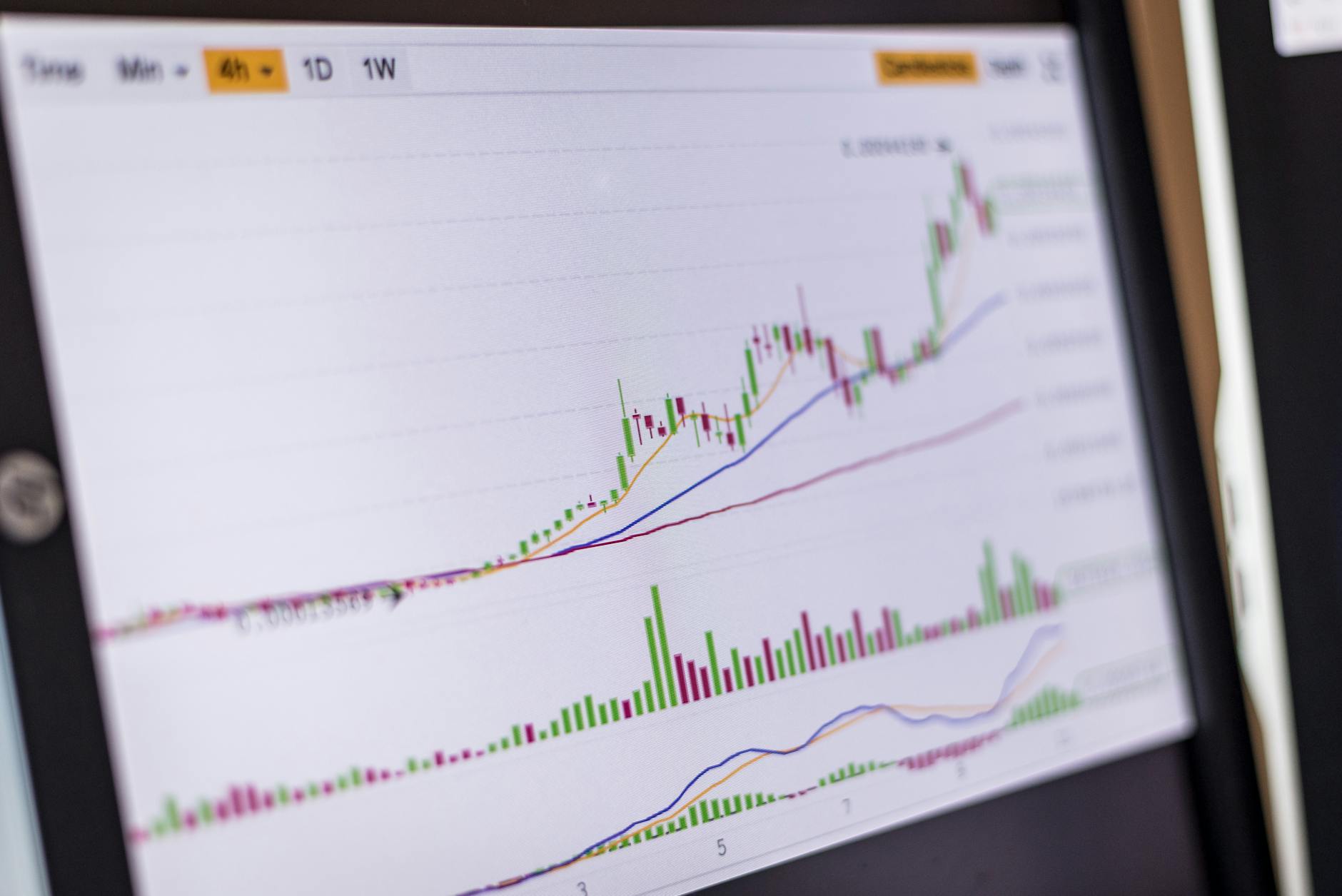
The PSA 9 Shadowless Charizard has appreciated substantially over the past decade. In 2017, documented sales showed this card moving at approximately $1,099, but by the early 2020s, market data from sources like the price guide indicated values climbing to around $1,400 and beyond. This steady appreciation reflects both the card’s iconic status and the general strength of the high-grade base set market.
The Shadowless variant commands a premium over first editions and unlimited printings because of its rarity and the subset’s historical significance. Understanding this historical trajectory matters because it shows you’re selling into a market with established demand. Unlike speculative cards that may spike and crash, the Shadowless Charizard has maintained relatively stable value growth over time. This stability means your sale is less likely to encounter buyer hesitation due to market uncertainty, though you’ll still need to price competitively relative to other active listings.
How Current eBay Listings and Market Data Help You Find the Right Price
As of May 2026, active ebay listings for PSA 9 Shadowless Charizards exist and provide real-time pricing signals. The challenge is distinguishing between asking prices and actual sold prices—a seller might list a card at $1,800, but if it doesn’t sell or if it sells after significant negotiation, that asking price misleads you about market value. This is where checking the “Sold” listings filter becomes essential; it shows you what buyers actually paid in recent weeks, not what optimistic sellers hope to receive.
Price tracking databases like the price guide and PokeScope aggregate sold data and can give you a quick reference point, though these sites sometimes lag behind real-time eBay activity by days or weeks. A limitation worth noting: if you’re selling during an off-period for Pokémon collecting (summer vacations, for example), you may encounter lighter bidding activity and might need to price more aggressively to achieve a sale. Conversely, timing your listing around Pokémon anniversaries or major hobby events can create stronger demand.
What Factors Actually Move the Price Up or Down on Your Listing?
The PSA 9 grade itself is crucial here—it represents a card with minor wear that’s still visually appealing and highly collectible, without the steeper premium that PSA 10 gemstones command. Centering, corners, and color saturation on your specific card all influence buyer perception within the PSA 9 band. A PSA 9 with exceptional centering and color might fetch $1,600, while a softer PSA 9 with duller hues might sell at $1,250. You can’t change the grade, but you can present the card honestly in high-quality photos.
Seller reputation also factors into the price buyers will accept. If you’re a long-standing seller with thousands of positive feedback, buyers bid more confidently and are willing to pay a slight premium. If you’re new or have neutral feedback, expect to price slightly below market to overcome buyer hesitation. The condition of the slab itself matters too—a cracked or yellowed PSA holder suggests careless storage and may deter serious collectors, even though the card inside is still the same grade.
What’s the Best Strategy for Pricing Your Card to Actually Sell?
Most successful sellers use an auction format rather than fixed pricing when selling high-value cards like this one. Auctions generate competitive bidding and often achieve prices above the initial asking price, while fixed prices that are too high simply sit unsold for weeks. If you’re using an auction format, start at a conservative price—$999 or $1,099—to attract early bidders and build momentum. The dynamic between starting price and final price is real; auctions that jump from $999 to $1,600 signal strong market interest, while a $1,500 fixed-price listing that never sells signals overpricing.
Another strategy involves analyzing current active listings before you post. If five similar PSA 9 Shadowless Charizards are currently listed between $1,400 and $1,800, and none are marked as sold recently, the market may be oversupplied. In that case, pricing at $1,200 to $1,300 through auction gives you a competitive edge. Conversely, if there’s only one listing and it’s priced at $1,900 with no sales in the past month, you’re likely looking at an unrealistic asking price that doesn’t reflect where buyers actually bid.
What Are the Common Mistakes That Hurt Your Sale or Final Price?
The biggest mistake is poor photography. A high-value card deserves proper lighting, multiple angles, and close-ups showing the card’s centering and surface condition. Buyers of PSA 9 cards will scrutinize your photos carefully because they’re spending real money. Blurry photos or insufficient angles create doubt, and doubt translates to lower bids or no bids at all. Spend ten minutes taking proper photos before listing—it directly impacts your revenue.
A second costly error is underestimating shipping costs or not offering appropriate shipping protection. Shipping a $1,400 card via standard mail without insurance is reckless; if it arrives damaged or lost, eBay may force you to refund the buyer while you’ve already lost the card and shipping costs. Use tracked, insured shipping with signature confirmation for any card in this price range. Some sellers absorb the $20-30 shipping cost to keep their listed price competitive, while others add it to the buyer’s total. Either way, be transparent about it, and don’t cheap out on protection.

How Does Timing Affect Your Sales Results?
Pokémon collecting interest peaks during spring and summer months in the Northern Hemisphere, as well as around key dates like Christmas and back-to-school season. Listing your PSA 9 Shadowless Charizard in May gives you decent timing—summer vacation planning is ramping up, and collectors have discretionary spending on their minds. If you list it in January after the holiday season, you’re hitting a quieter period when many collectors have exhausted their budgets.
The card will still sell, but the price may reflect lighter demand. Weekend auctions tend to outperform weekday auctions because collectors check eBay during leisure time. An auction ending on a Sunday evening typically sees more last-minute bidding activity than one ending on a Tuesday morning. If you’re running an auction, plan for a 7-day duration ending on a Sunday to maximize bidding volume and final price.
What Does the Future Look Like for Base Set Shadowless Charizard Values?
The Base Set Shadowless Charizard remains a foundational card in Pokémon collecting and is unlikely to become less desirable. As the original Pokémon card game ages and becomes more of a nostalgia vehicle for millennial collectors, demand for iconic cards like this one typically stabilizes or grows. Unlike newer cards that can be reprinted or that may fall out of favor, Shadowless cards are finite and impossible to reprint, creating built-in scarcity support.
Your timing to sell is reasonable today. Whether you’re liquidating a collection or capitalizing on years of holding, a PSA 9 at current market rates represents good value for the buyer and a fair return for you. If you hold it another five years, the price may be higher, but the PSA 9 will likely remain a $1,500-$2,000 range card absent dramatic market shifts.
Conclusion
A Base Set Shadowless Charizard PSA 9 sells for $1,200 to $1,500 on eBay, with exact prices determined by real-time supply and demand as shown in “Sold” listings. Historical pricing confirms the card has appreciated over the past decade and remains a solid investment that buyers actively pursue.
Your best approach is to check current eBay auction results for the past 30 days, price competitively relative to that data, and use professional photography and appropriate shipping to close the sale confidently. The card itself is doing the work for you—it’s collectible, iconic, and scarce. Your job is to price it fairly, present it honestly, and let the market value your specific example.