eBay officially shut down its card Vault service in 2021 and transferred the remaining inventory stored in the Vault to PSA (Professional Sports Authenticator). The decision marked the end of eBay’s attempt to provide secure storage for collectible cards and represented a significant shift in how the platform handled high-value items. For Pokemon card collectors who had stored their cards in eBay’s Vault—a service that had allowed users to store inventory without physically shipping items between buyers and sellers—the transition required action and introduced new considerations about card authentication and storage.
The Vault closure came amid broader industry consolidation in the trading card space. PSA, which had already established itself as the leading third-party grading company, took control of eBay’s Vault infrastructure and integrated it into its own storage and authentication ecosystem. This meant that collectors who had stored Charizard cards, Base Set holographics, or other valuable Pokemon cards in eBay’s Vault suddenly had to decide whether to accept PSA’s services or retrieve their cards, creating a critical moment for many in the collecting community.
Table of Contents
- What Was eBay’s Vault and Why Did It Matter for Collectors?
- The PSA Acquisition and What It Changed for Vault Holders
- How PSA’s Vault Differs from eBay’s Original Service
- The Real Impact on Pokemon Card Collectors and Dealers
- Integration Issues and Hidden Challenges in the Transition
- Alternative Storage Solutions That Emerged Post-Vault Closure
- The Broader Implications for Collecting Infrastructure and Future Storage Solutions
- Conclusion
- Frequently Asked Questions
What Was eBay’s Vault and Why Did It Matter for Collectors?
eBay’s Vault was a service that allowed collectors to store cards directly with eBay rather than handling physical shipment every time a sale occurred. For someone selling multiple cards from their collection, this eliminated the logistics of boxing items, arranging shipping, and dealing with potential damage in transit. A seller might list a BGS 9 Base Set Blastoise, have it purchased, and instead of physically retrieving, packaging, and shipping the card, eBay would transfer it from the seller’s Vault inventory to the buyer’s Vault account.
This method reduced handling, minimized condition risk, and streamlined high-volume trading. The service was particularly popular among dealers and serious collectors who regularly bought and sold cards worth hundreds or thousands of dollars. By keeping inventory in a single location, collectors could leverage their entire collection as liquid inventory without the expense and risk of constant shipping. However, eBay’s Vault was less about card grading and more about logistics—it was a storage solution, not an authentication or grading service like PSA offers.

The PSA Acquisition and What It Changed for Vault Holders
When eBay transferred its Vault operations to PSA in 2021, the integration raised immediate questions about data, access, and storage terms. PSA’s Vault functioned differently than eBay’s version. Rather than simply storing cards, PSA’s service could include grading and authentication, which meant collectors now had the option to have their stored cards graded as part of the transition.
However, this came with costs and a shift in the relationship—no longer was storage tied to eBay’s selling platform but instead was now managed by PSA independently. The transition presented a limitation that caught many collectors off guard: collectors who wanted to retrieve their cards from eBay’s old Vault had to pay PSA’s fees to access them, which included shipping costs and potential authentication charges. Additionally, PSA’s Vault is more expensive than eBay’s had been, making it impractical for collectors storing lower-value items. Someone with a complete set of Base Set commons stored in eBay’s Vault might have found the cost of retrieval through PSA prohibitive, effectively trapping lower-value inventory.
How PSA’s Vault Differs from eBay’s Original Service
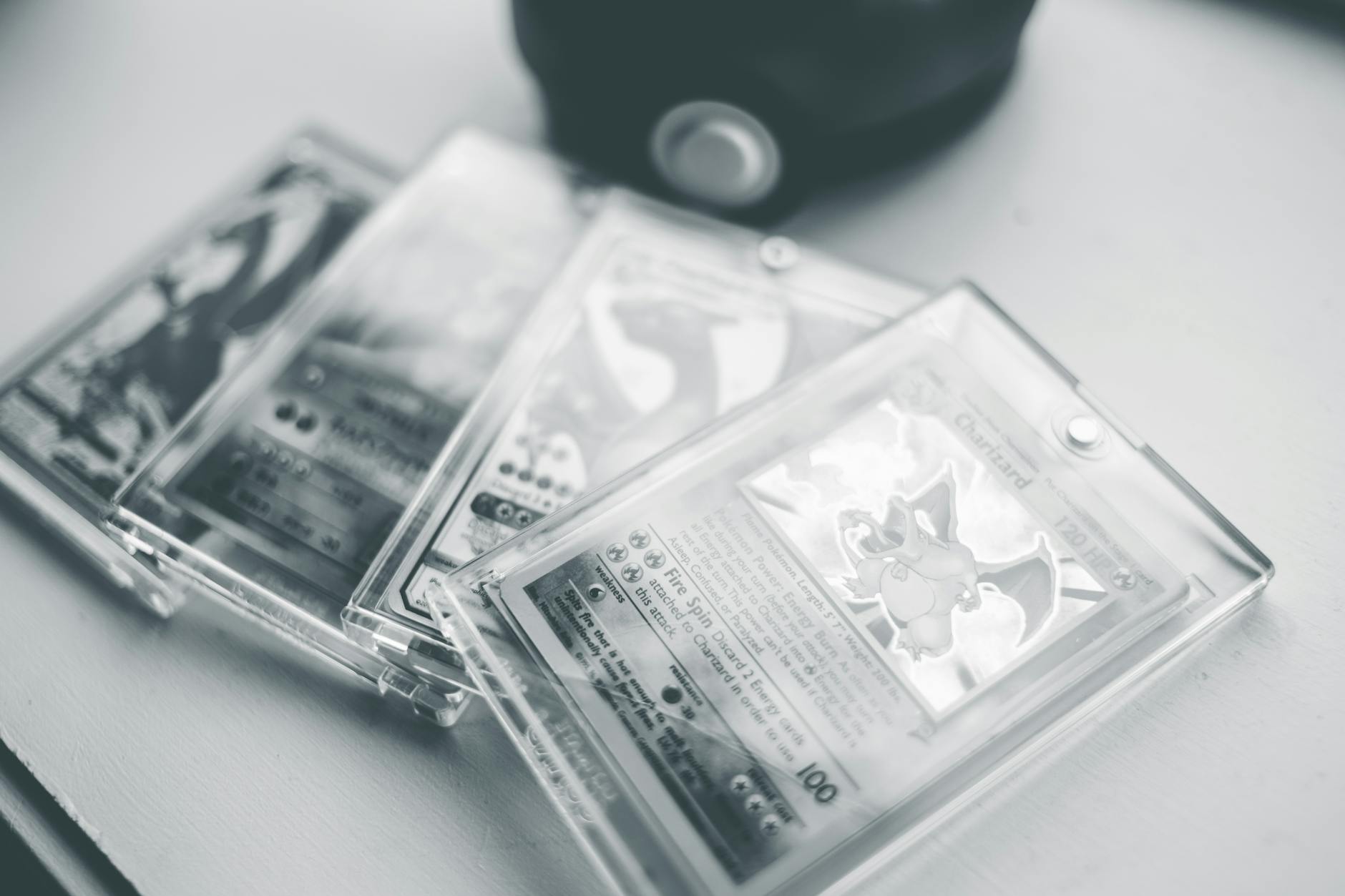
PSA’s Vault is integrated with their grading and authentication services in ways eBay’s never was. When cards are held in PSA’s Vault, they can be cross-referenced with grading history, and the company can leverage its authentication expertise to verify condition and authenticity. This is valuable for high-end cards but introduces complexity and cost for basic storage. A Shadowless Charizard stored in the PSA Vault can be immediately verified for grading status and authentication, whereas eBay’s Vault simply held the physical card without assessment.
The practical difference becomes evident when trying to sell. PSA’s Vault integrates with their market platform and other sales channels, allowing for direct marketplace listings that reference Vault-held inventory. eBay’s Vault, by contrast, tied directly to eBay’s auction and sales ecosystem. For collectors selling on multiple platforms or outside of eBay, PSA’s approach offers more flexibility. However, collectors who relied entirely on eBay’s ecosystem suddenly found themselves forced into PSA’s infrastructure, which operates under different terms of service and fee structures.
The Real Impact on Pokemon Card Collectors and Dealers
Pokemon card dealers and collectors who had built their business model around eBay’s Vault experienced genuine disruption. High-volume sellers who used the Vault to manage thousands of cards had to rapidly adapt to PSA’s system, learn new logistics, and absorb higher storage costs. For serious collectors, this meant reassessing whether storing cards with a third party remained cost-effective, leading many to retrieve inventory and manage storage independently.
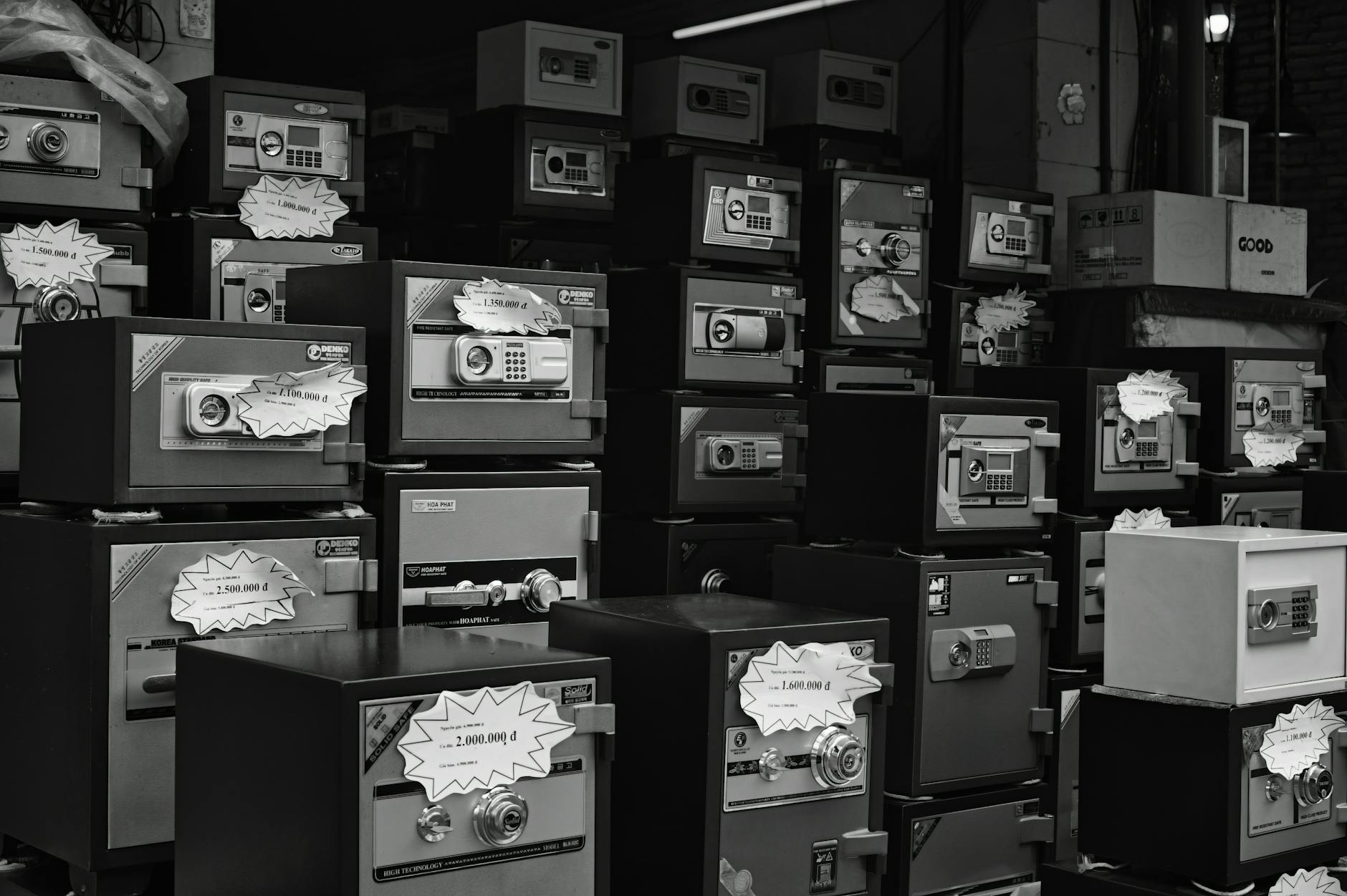
One key limitation emerged: smaller collectors realized that PSA’s minimums and fees made storage economically unfeasible for anything below mid-range cards. A collector with a collection of lower-graded Pokemon cards worth $50-$200 each would spend more on annual storage fees than the cards’ value. This created a two-tier situation where high-end collectors benefited from PSA’s infrastructure while casual collectors and those with valuable but not premium collections had to explore other storage solutions, such as home vaults or local safety deposit boxes.
Integration Issues and Hidden Challenges in the Transition
The transition from eBay’s Vault to PSA’s created unexpected friction for many collectors. Data migration wasn’t seamless—some collectors reported discrepancies in inventory records, misidentified cards, or delays in accessing their stored inventory during the changeover period. For dealers managing hundreds or thousands of cards, these gaps caused real operational problems, forcing them to manually reconcile records and, in some cases, travel to PSA’s facilities to verify what they actually had in storage.
Another warning worth noting: the terms of storage changed significantly. eBay’s Vault included basic insurance as part of the service, whereas PSA’s Vault insurance is optional and comes at an additional cost. Collectors storing multiple copies of valuable Base Set Charizards or first editions discovered that their coverage had shifted, and they needed to opt-in to maintain insurance protection. This created a hidden cost that many didn’t anticipate during the transition, and some collectors discovered gaps in coverage only after the fact.
Alternative Storage Solutions That Emerged Post-Vault Closure
The closure of eBay’s Vault prompted collectors to explore alternatives. Some turned to professional grading companies like BGS/Beckett, which also offers storage services with built-in authentication and grading. Others opted for private vault services run by independent operators, while dedicated collectors returned to managing home collections with climate-controlled storage, fireproof safes, or local safety deposit boxes.
Each approach comes with different tradeoffs in terms of security, accessibility, and cost. For high-value collections, professional storage through PSA or BGS remains the most secure option, as it includes authentication verification and insurance. However, for collectors with moderately valuable collections, the cost-benefit analysis often favors independent management. A collector with a $10,000 Pokemon card collection might spend $300-500 annually on professional Vault storage, whereas a home fireproof safe costs far less upfront with manageable ongoing maintenance.
The Broader Implications for Collecting Infrastructure and Future Storage Solutions
The eBay Vault closure highlighted a vulnerability in third-party storage systems—when platforms change business models or shut down services, collectors have limited options and sometimes face forced transitions. This experience has made many collectors more cautious about relying on centralized storage, instead building redundancy by splitting high-value inventory across multiple solutions. PSA’s dominance in the storage market has also created awareness that consolidation in the grading and storage industry affects the entire collecting ecosystem.
Looking forward, the Pokemon card market continues to mature, and storage infrastructure is evolving accordingly. Decentralized storage solutions, blockchain-backed verification systems, and peer-to-peer storage networks are being explored as alternatives to centralized company vaults. Whether these alternatives will gain traction remains to be seen, but the eBay Vault experience demonstrated that collectors value optionality and control, lessons that newer platforms are taking into account as they develop storage services.
Conclusion
eBay’s decision to discontinue its Vault service and transfer operations to PSA in 2021 represented a significant shift for Pokemon card collectors and dealers. The transition forced users to adapt to PSA’s different fee structure, service model, and integration approach, and it revealed gaps and vulnerabilities in relying entirely on third-party storage.
While PSA’s Vault remains a viable option for high-value collections, the closure sparked broader conversations about storage independence and the risks of platform consolidation in the collecting world. For collectors evaluating storage options today, the eBay Vault lesson is clear: understand the terms, assess the true cost of third-party storage against independent management, and maintain flexibility in your approach. Whether storing with PSA, using a home vault, or splitting inventory across multiple solutions, the goal remains the same—protecting the condition and accessibility of your collection while managing costs effectively.
Frequently Asked Questions
When exactly did eBay shut down its Vault service?
eBay formally closed its Vault service in 2021 and transitioned remaining inventory to PSA. The exact shutdown date varied by region, but the full transition was completed in early 2021.
Do I have to use PSA’s Vault if my cards are still stored there?
No. You can request retrieval of your cards from PSA’s Vault, but you’ll pay shipping and handling fees. PSA does not force you to keep cards in their Vault, but the process and costs associated with retrieval make it practical for high-value inventory to remain stored.
Is PSA’s Vault more expensive than eBay’s was?
Yes. PSA’s Vault charges storage fees, insurance fees, and retrieval fees that collectively exceed what eBay charged. For low-value collections, PSA’s Vault is generally not cost-effective compared to independent storage.
Can I still sell Pokemon cards from the PSA Vault without retrieving them?
Yes, PSA’s Vault integrates with their marketplace and some third-party platforms, allowing you to list and sell cards while they remain in storage. The buyer would receive the card from the Vault with PSA’s authentication.
What happened to my insurance coverage when eBay’s Vault transferred to PSA?
Coverage terms changed. You need to manually opt-in to PSA’s insurance coverage for Vault-stored items. Basic storage includes some protection, but comprehensive insurance requires an additional fee.