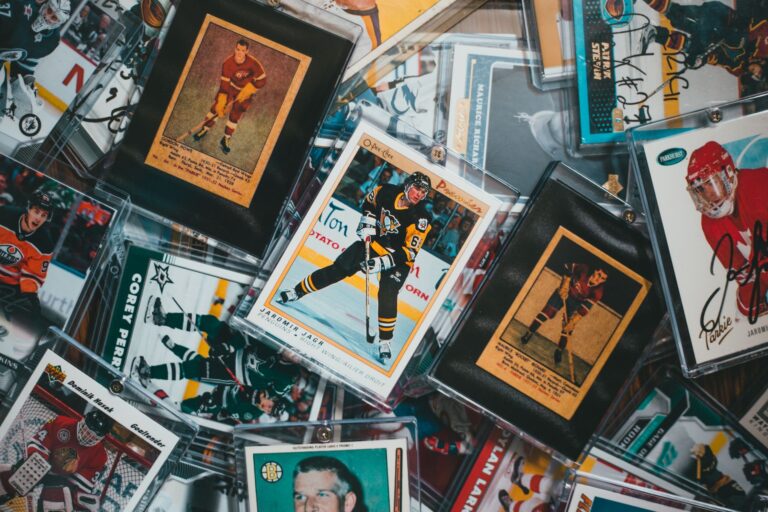
Consignment intake photos create a dated record of each Pokémon slab—a graded card sealed in a hard plastic holder—when a dealer receives it. They protect the owner from undocumented damage and the dealer from claims involving pre-existing defects. Both parties should agree on what the photos document, how long records remain available, and when the owner must report a discrepancy. Photos support a dispute; they do not automatically prove when or how damage occurred.
Table of Contents
- What the intake photos should capture
- How to make the images useful
- Build a clear custody record
- Separate card condition from holder condition
- Set rules before a dispute occurs
What the intake photos should capture
Photograph every slab separately before cleaning, pricing, or listing it. Assign the item a unique intake number so the images cannot be confused with another copy of the same card.
The photo set should show: Take close-ups of defects after capturing the full slab. A tight image alone may show damage clearly but fail to establish which holder was photographed.
- The complete front and back, with every edge visible
- The grading label, grade, and certification number
- All four corners and the slab's seams
- Existing cracks, chips, scratches, clouding, or residue
- Any label damage, holder separation, or possible tampering
How to make the images useful
Use even, diffused light and a plain background. Photograph the slab straight on, then tilt it under light to reveal scratches, scuffs, and fine cracks that disappear in a flat image. Avoid filters, portrait effects, and aggressive image enhancement.
Keep the original files because messaging platforms and listing systems may compress images or remove useful metadata. A short unpacking video can supplement still photos when a shipment arrives crushed, wet, opened, or poorly packed. Video does not replace sharp photographs, which are easier to compare with listing and return images.
Build a clear custody record
Record who received the shipment, when it arrived, and whether the outer packaging showed damage. If the package appears compromised, photograph every side before opening it and retain the packing materials until the owner responds. The intake record should connect each slab to its consignor and agreed description.
Useful fields include the card name, set, card number, grader, grade, certification number, declared defects, and intake date. Send the owner a copy or accessible gallery and request prompt confirmation. Silence should count as acceptance only if the consignment agreement explains that rule clearly in advance.
Separate card condition from holder condition
A numerical grade describes the card, not a promise that its plastic holder is flawless. A high-grade card can arrive in a scratched slab, while a clean holder can contain a card with visible flaws consistent with its assigned grade. The intake form should describe holder damage separately from disagreements about grading.
Dealers should not promise that photos can settle centering, surface, alteration, or authenticity questions that require specialist examination. An official certification lookup can help confirm that the label details match a grader's database when such a service is available. It cannot establish authenticity by itself because a counterfeit holder may copy a valid certification number.
Set rules before a dispute occurs
The consignment agreement should state who may clean or reholder a slab, who pays associated costs, and whether the dealer may remove stickers or residue. No one should alter the holder before documenting its received condition and obtaining any required approval. It should also cover loss, shipping damage, insurance limits, return shipping, and the process for reporting condition disputes.
These terms should reflect the parties' actual arrangement rather than relying on photographs to fill contractual gaps. Before returning an unsold slab or shipping a sale, take a matching departure set from the same angles. Compare those images with intake records and stop the shipment if a new crack, chip, label shift, or seam opening appears.