Yes, collectors are increasingly turning to price tracking tools to monitor their Pokemon card collections and investments. According to recent market data, 47% of collectors actively track their portfolio’s valuation, while 35% of collectors use mobile applications to track, evaluate, and trade their items. For Pokemon card enthusiasts, this means using apps and platforms to monitor real-time price fluctuations, set alerts for specific cards, and maintain an accurate inventory of their collection’s current market value. A collector might use a price tracking tool to follow a PSA 10 Base Set Charizard, receiving notifications when listings appear below the average market price or when comparable sales suggest a shift in demand.
The surge in price tracking adoption reflects the growing sophistication of the collectibles market, which reached $496.2 billion globally in 2025 and continues to expand at a 7.4% annual growth rate. With 62% of collectible buyers relying on digital platforms for purchasing, the infrastructure now exists to support real-time pricing data. For Pokemon cards specifically, this means collectors have access to transparent, up-to-date information that was simply unavailable a decade ago. Whether you’re a casual collector organizing a personal binder or a serious investor managing thousands of cards, these tools have become essential for making informed decisions about which cards to buy, sell, or hold.
Table of Contents
- Why Are Price Tracking Tools Essential for Modern Collectors?
- How Price Tracking Platforms Have Reshaped the Collectibles Market
- Portfolio Valuation and Collection Management
- Choosing Between Different Tracking Platforms and Tools
- The Authenticity and Fraud Risks That Price Tracking Can’t Solve
- Blockchain Technology and Smart Contracts in Collectibles Trading
- The Future of Price Tracking and Investment-Driven Collecting
- Conclusion
Why Are Price Tracking Tools Essential for Modern Collectors?
Price tracking tools have become critical because Pokemon card values are volatile and market-driven. The data shows that 26% of collectors express concern over unstable pricing, with price spikes up to 300% on trending collectibles within short timeframes, followed by steep drops. This means a card you purchased for $50 could theoretically climb to $200 within weeks as hype peaks, then crash back down as interest fades. Without a tracking tool, collectors often miss the window to sell at peak value or overpay by buying at the height of a trend. For example, first edition shadowless cards or cards tied to viral moments (like a Pokemon character appearing in a new game or movie) can experience dramatic swings in value that require constant monitoring to capitalize on.
Beyond price monitoring, 63% of collectors view their collections as long-term investments rather than hobbies. This investment mentality requires portfolio tracking tools that aggregate card values, calculate total collection worth, and flag opportunities for improvement. A serious collector might want to know that their portfolio has appreciated 8% over the past six months or identify which cards are underperforming relative to the market. Tracking tools enable this level of portfolio analysis, similar to how stock investors monitor their holdings. The comparison is apt: both require understanding valuation trends, timing buys and sells, and maintaining awareness of broader market conditions.
How Price Tracking Platforms Have Reshaped the Collectibles Market
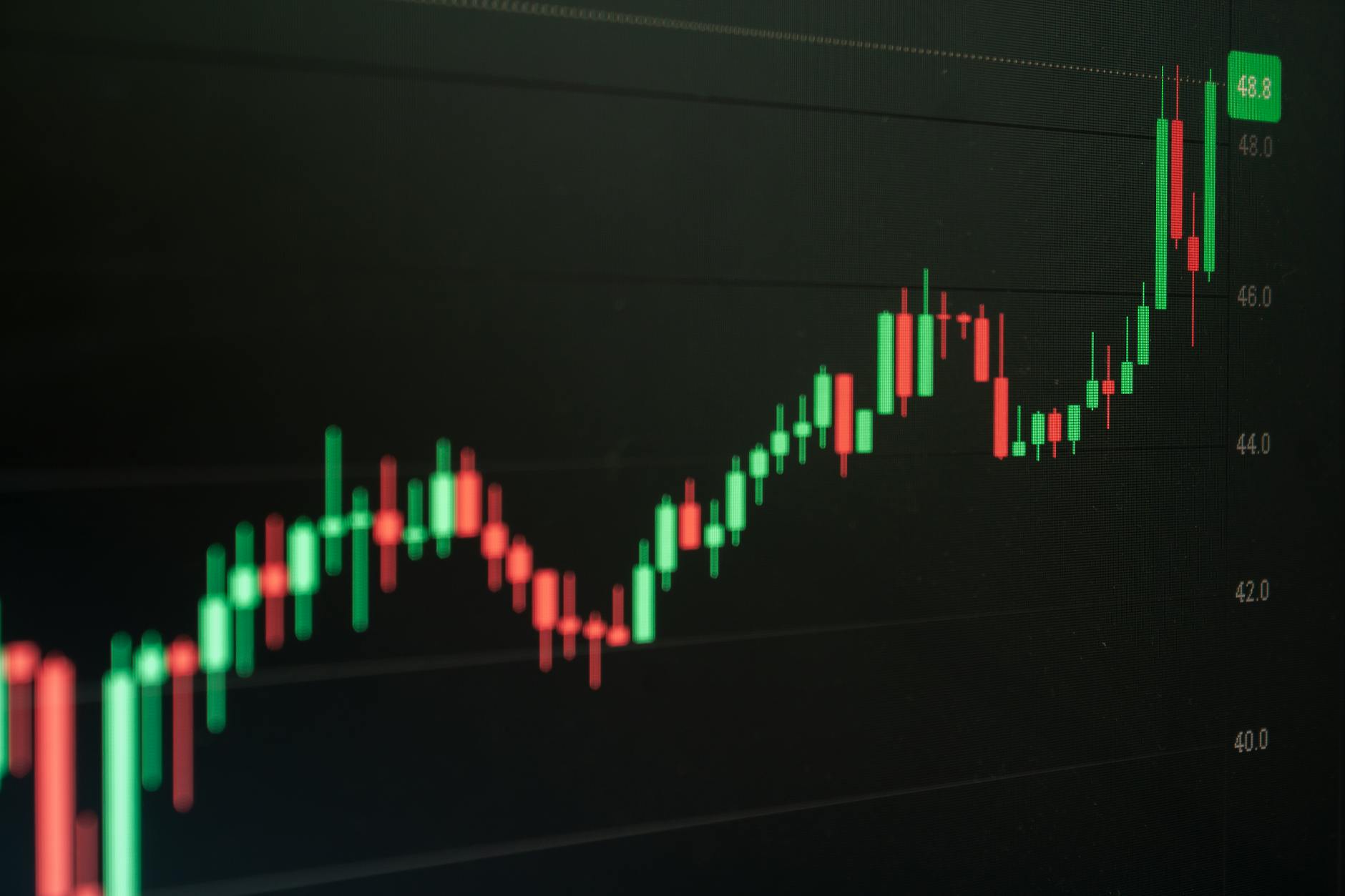
The evolution of price tracking technology has fundamentally changed how collectors participate in the market. Mobile applications now aggregate pricing data from multiple sources—auction results, marketplace listings, recent sales, and collector valuations—creating a more complete picture of what cards are worth. These platforms leverage databases of thousands of completed transactions to establish baseline values and identify outliers. The sophistication has improved dramatically, with many platforms now offering features like historical price charts, price prediction alerts, and integration with personal collection inventory systems. However, collectors should be cautious about relying on a single data source for valuation.
Different platforms weight recent sales differently, adjust for condition grades in varying ways, and may include outlier sales that skew averages. A card with only three sales in the past month might show high volatility in price estimates across different platforms. Additionally, while 31% of digital collectibles are now tied to blockchain-verified certificates, this technology remains unevenly adopted across the Pokemon card market. Graded cards from established services like PSA and BGS have transparent sales data, but raw or lightly graded cards can be harder to price accurately. The limitation here is that price tracking tools are only as reliable as the underlying sales data they’re built on, and the Pokemon market still has pockets where transaction data is sparse or outdated.
Portfolio Valuation and Collection Management
One of the most practical uses of price tracking tools is maintaining an accurate, real-time portfolio valuation. Collectors can input their collection—specifying card names, grades, and quantities—and watch as the tool calculates total portfolio value, flagging cards that have appreciated or depreciated significantly. This feature appeals directly to the 47% of collectors who actively track portfolio valuation. For a Pokemon collector with 500 cards, manually checking prices one by one would take hours monthly; a tracking tool can update all valuations in minutes. A collector might discover that their pile of Base Set Holo Rares has collectively appreciated 25% over six months, providing both financial insight and motivation to protect that investment through proper storage and insurance consideration.
The portfolio feature also enables collectors to identify gaps or imbalances in their collection. If a tool flags that your collection is heavily weighted toward recent releases while underrepresenting valuable vintage cards, you can make informed decisions about where to allocate future buying power. This strategic approach appeals to collectors who view Pokemon cards as an alternative investment alongside stocks, real estate, or other assets. The challenge, however, is that portfolio values are only snapshots in time; they represent “buy now” prices rather than guaranteed sell prices. Selling a card always involves friction—seller fees, shipping costs, payment processing time, and the challenge of finding a buyer willing to pay near-market value. A $100 portfolio valuation might only net $70-80 in actual cash if you liquidate quickly.

Choosing Between Different Tracking Platforms and Tools
The market now offers numerous price tracking options, from specialized Pokemon card apps to general collectibles platforms to spreadsheet-based solutions that pull data from APIs. Specialized Pokemon apps often have more granular data and community-contributed valuations but may lack the investment portfolio analytics of broader platforms. General collectibles platforms offer portfolio tracking across multiple types of collectibles but might have less detailed Pokemon-specific data. The tradeoff is between depth (specialization) and breadth (multi-category support). A collector serious about Pokemon cards specifically might prefer a dedicated platform, while someone collecting Pokemon, Magic, sports cards, and Funko Pops might benefit from a unified portfolio tracker that handles all categories.
When evaluating tools, collectors should consider data sources, update frequency, user interface design, and cost. Some platforms are free but limited in features; others charge subscription fees ($5-15 monthly) to unlock full functionality like historical tracking, price alerts, and export capabilities. The more expensive tools often integrate with marketplace APIs, allowing automatic price synchronization without manual updates. An important consideration: some tools rely on crowd-sourced pricing data, which can be less reliable than tools pulling from actual transaction data. Reading user reviews and testing free trials can help identify which platform aligns with your collection size, investment strategy, and technical comfort level.
The Authenticity and Fraud Risks That Price Tracking Can’t Solve
While price tracking tools excel at monitoring values, they can’t verify authenticity or prevent fraud, which remains a significant concern in the collectibles market. The data reveals that 29% of potential buyers hesitate to purchase due to concerns about item authenticity, and 18% of online sales have been flagged as fraudulent. This means that a card showing a $200 market price in your tracking tool might be counterfeit or misrepresented when you actually try to buy it. Price tracking tools typically pull data from marketplace listings and completed sales, which include both legitimate transactions and fraudulent ones. A counterfeit card might sell for $180, and that transaction could be included in the valuation data, artificially inflating perceived value.
Collectors should use price tracking tools as a companion to, not a replacement for, due diligence on authenticity. When a tool flags a buying opportunity, the collector still needs to evaluate seller reputation, request detailed photos, verify condition claims, and potentially have cards authenticated by a third party before committing to a purchase. For high-value cards ($500+), professional authentication through PSA, BGS, or similar services is strongly recommended. The limitation here is that price tracking gives you market awareness but not protection against the estimated 18% of online collectibles sales that involve fraud or misrepresentation. Technology can track prices efficiently, but human judgment remains necessary for vetting authenticity and seller reliability.

Blockchain Technology and Smart Contracts in Collectibles Trading
An emerging trend in collectibles pricing and trading involves blockchain-verified certificates and smart contracts. Currently, 31% of digital collectibles are tied to blockchain-verified certificates, and platforms using smart contracts for trading have seen a 46% increase in user adoption. Smart contracts automate the execution of trades when predetermined conditions are met—for example, automatically completing a sale when a card price drops to a specified level. This technology reduces friction in transactions and creates a more transparent, fraud-resistant trading environment. For Pokemon cards, blockchain certificates could provide cryptographic proof of authenticity and ownership history, making price tracking even more reliable by filtering out problematic listings and fraudulent sellers.
However, blockchain adoption in the physical Pokemon card market remains limited. Most blockchain-based collectibles platforms focus on digital assets or NFTs rather than authenticated physical cards. The integration of blockchain for graded physical cards is still evolving, with some authentication services experimenting with blockchain-backed certificates. For now, traditional grading companies (PSA, BGS) remain the primary authenticity verification method, and price tracking tools haven’t fully incorporated blockchain data. As this technology matures, expect price tracking tools to become increasingly sophisticated, with filters for blockchain-verified authenticity and automated smart contract trading capabilities built directly into tracking platforms.
The Future of Price Tracking and Investment-Driven Collecting
The trajectory of the collectibles market suggests that price tracking tools will become even more central to how collectors participate in the hobby. With the market expanding at 7.4% annually and reaching nearly $500 billion globally, institutional investors and hedge funds are entering the space, which will drive demand for more sophisticated valuation tools and portfolio analytics. This trend will likely push price tracking platforms toward features like AI-powered price predictions, portfolio optimization recommendations, and integration with broader investment planning tools. Collectors may eventually see tools that compare Pokemon card allocation against other asset classes or that suggest rebalancing strategies for diversified collectibles portfolios.
The democratization of market data through price tracking has shifted power dynamics in the collectibles market. Individual collectors now have access to valuation information that was once exclusive to dealers and professionals. This transparency should theoretically lead to more efficient pricing and fewer dramatic overvaluations or undervaluations. As more collectors adopt these tools, market prices will reflect broader consensus more quickly, potentially reducing the volatility that currently sees 300% price swings on trending cards. The future collector will likely be one who monitors prices actively, makes data-informed trading decisions, and views their collection through both an emotional appreciation lens and a portfolio management lens.
Conclusion
Price tracking tools have become indispensable for collectors navigating the modern Pokemon card market. With 47% of collectors actively tracking portfolio valuation and 35% using mobile apps to monitor their items, these tools represent a fundamental shift toward data-driven collecting. They provide transparency, enable strategic portfolio management, and help collectors capitalize on market trends.
Whether you’re a casual collector wanting to know your collection’s rough value or a serious investor managing a five-figure portfolio, price tracking tools offer real utility in a market worth half a trillion dollars and growing steadily. The most important takeaway is that price tracking tools are most valuable when combined with other research and due diligence. They excel at answering the question “What are cards worth?” but can’t fully answer “Is this card authentic?” or “Is this seller trustworthy?” Use price tracking for valuation awareness and strategic decision-making, but maintain healthy skepticism about individual listings and always verify authenticity for high-value purchases. As the collectibles market continues to mature and blockchain technology becomes more integrated, expect these tools to become even more powerful—and even more central to how collectors manage and grow their collections over time.