
Serious Pokemon card collectors have been discovering that rare Base Set variants—cards with subtle printing differences, misalignments, or production anomalies—are gaining significant attention in the hobby. These aren’t counterfeit cards or obvious misprints, but legitimate variations that emerged from the original Base Set production runs between 1999 and 2000. What was once dismissed as manufacturing imperfection is now recognized as a legitimate collectible tier, with some variants commanding substantial premiums over standard versions of the same card.
The shift happened gradually as enthusiasts catalogued thousands of cards and identified patterns in production. A Charizard with a slightly misaligned border, a Blastoise with noticeably different ink saturation, or a Venusaur missing the standard factory cut line became subjects of serious scrutiny rather than curiosity. Collectors realized that certain printing facilities, production batches, and time periods produced predictable variations that could be consistently identified and valued. This emerging awareness has fundamentally changed how serious collectors approach Base Set acquisitions.
Table of Contents
- Why Are Base Set Variants Finally Getting Recognition?
- Understanding the Types of Base Set Variants in the Market
- How Collectors Identify and Authenticate Rare Variants
- Market Pricing and Investment Considerations for Variants
- Common Pitfalls and Authentication Challenges
- The Role of Grading Companies in Variant Documentation
- The Future of Base Set Variant Collecting
- Conclusion
- Frequently Asked Questions
Why Are Base Set Variants Finally Getting Recognition?
Base Set variants exist because the original print run was handled by multiple manufacturing facilities with different equipment, quality control standards, and production timelines. Nintendo worked with different printers and vendors across different regions and time periods, each introducing subtle but detectable differences in how the cards looked. Early collectors didn’t have a systematic way to track these differences, so variants were either ignored or attributed to individual card damage or wear.
The internet and specialized collector communities created the infrastructure needed to finally catalog variants methodically. High-resolution photography, side-by-side comparisons, and databases of thousands of scanned cards made it possible to distinguish between natural wear and genuine production variants. For example, the difference between first-edition and unlimited Base Set Charizards became well-documented, but within those categories, collectors began noticing that some first-edition Charizards had noticeably whiter or more yellow-tinted cardstock, different centering patterns, or variations in the Wizards of the Coast stamp. Once enough people documented these patterns, the variants became legitimate collectible subcategories rather than random flukes.
Understanding the Types of Base Set Variants in the Market
Shadowless variants—cards printed without the shadow effect behind the artwork—represent one of the most sought categories, as they came from the earliest production runs before design standardization. These are relatively well-known by advanced collectors, but even within shadowless cards, significant variations exist in ink intensity, border thickness, and paper composition. A shadowless Pikachu is valuable, but a shadowless Pikachu with notably bold yellow ink and clean borders is worth substantially more than one where the yellow appears faded or washed out. Miscut variants, where the card was punched or trimmed off-center from the sheet, are another emerging recognition area.
The Pokemon Company and Wizards of the Coast have always produced some miscuts, but they weren’t systematically documented until recently. A card cut so that the border on one side is nearly missing while the opposite border is nearly an inch wide creates a distinctive appearance. The challenge is distinguishing between factory miscuts and wear or damage that occurred after production. A factory miscut has clean, sharp edges around the entire card, while a card that was damaged in collection will typically show wear patterns, soft edges, or corner damage that doesn’t match a deliberate cut. Some variants are so extreme that they’re obviously factory errors, but the subtle ones require careful examination under proper lighting.
How Collectors Identify and Authenticate Rare Variants
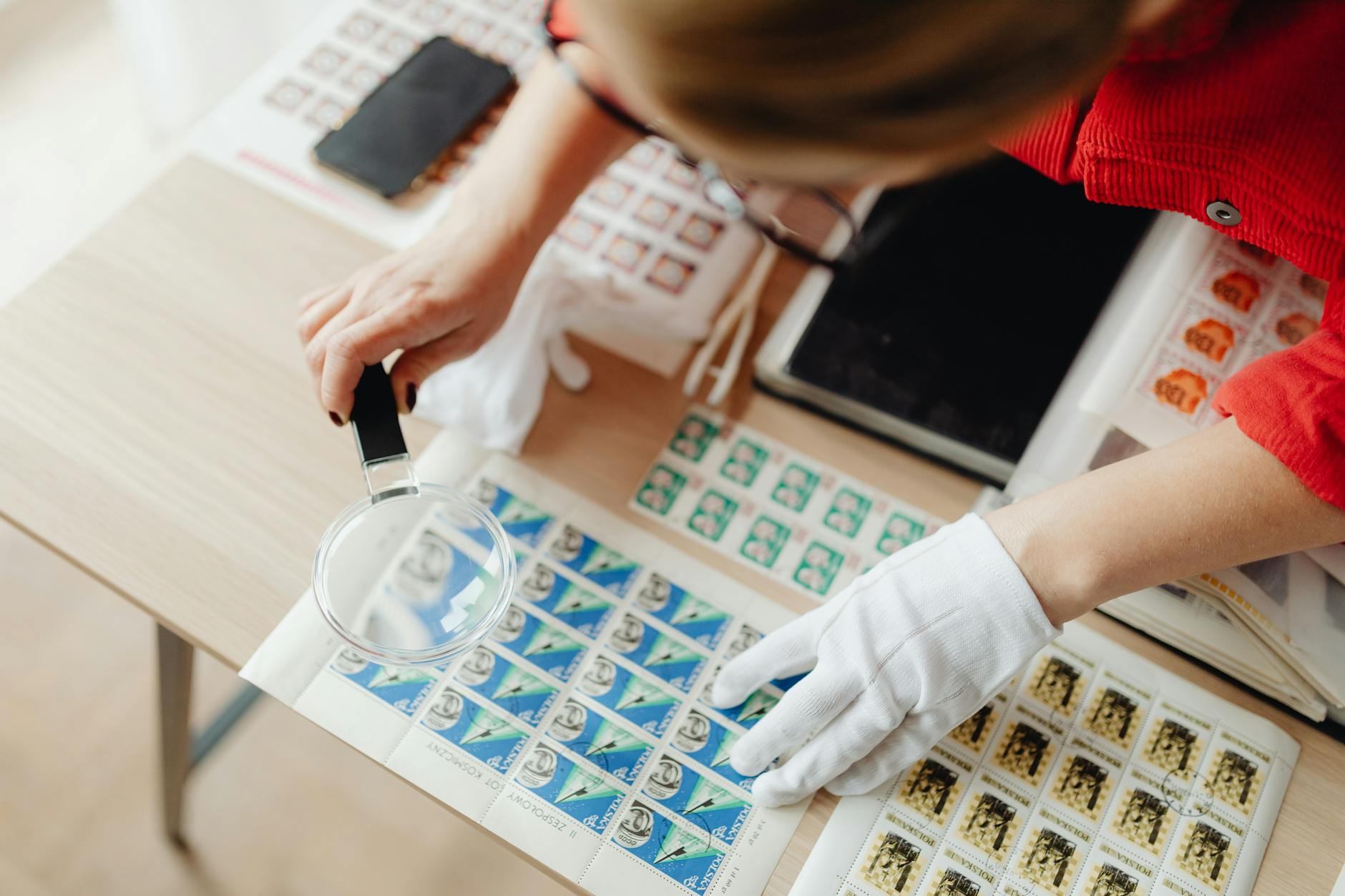
Visual inspection under controlled lighting is the first step collectors use to identify potential variants. Examining the card at different angles under LED lighting can reveal ink inconsistencies, embossing depth variations, and centering differences that photographs alone won’t always capture. Many serious collectors have invested in light boxes, magnification tools, and even UV lighting to assess potential variants accurately. The cardstock itself can feel different—some Base Set cards have a slightly glossy feel while others are noticeably matte, and these differences are detectable by touch even without specialized equipment.
Documentation and comparison against known examples is essential because many variants are produced in small batches. A collector might find a Blastoise with distinctly thick borders and assume it’s a variant, but without finding multiple examples of that same border thickness, it’s impossible to confirm whether it’s a systematic variant or a one-off production anomaly. this is where community databases and collector groups become invaluable—experienced collectors have already photographed and categorized hundreds of variations, making it possible for newer collectors to cross-reference their findings. For example, if a collector finds a Base Set Nidoking with noticeably pale blue coloring, they can check specialized variant databases to see if that specific color variation has been documented in other examples.
Market Pricing and Investment Considerations for Variants
Variant pricing doesn’t follow the standard Pokemon card market logic where condition grade is the primary driver of value. A near-mint standard Charizard might sell for $5,000 to $8,000, but a near-mint variant Charizard of the same exact card could sell for significantly more or, in some cases, slightly less if the variant isn’t widely recognized or documented. The market for variants is much thinner than for standard cards, meaning a variant can be harder to sell even if it should theoretically command a premium. A buyer looking for a Base Set Charizard typically wants the most famous version—often the shadowless first-edition or a high-grade unlimited—rather than hunting for a specific variant with minor production differences. The risk of variants is that their value depends entirely on collector consensus about their significance.
If the community decides a particular variant is meaningful and worth documenting, it gains value. If the variant goes undocumented or unrecognized, it’s just a regular card with minor oddities that might actually reduce its value by appearing damaged or defective. A variant that’s attractive and easy to understand—like a noticeably miscut card where half the border is missing—may gain value consistently. But a variant based on subtle ink differences that require side-by-side comparison to even notice might never gain meaningful premium pricing. This creates a real trap for collectors who invest heavily in variants before confirming they have strong community recognition and clear market demand.
Common Pitfalls and Authentication Challenges
One major pitfall is confusing variants with manufacturing defects or damage that occurred during circulation. A Base Set card with corner wear, creasing, or water damage might look different from standard examples, but it’s not a variant—it’s a damaged card worth less than a standard copy. True variants have clean, sharp condition with the difference being in original production rather than deterioration. The challenge is that a casual collector might notice a card looks “off” and assume they’ve found something special, when they’ve actually just identified a card that was damaged or stored improperly. Proper assessment requires comparing the suspicious card to multiple known good examples of the same card in the same condition state.
Authentication becomes complicated because variants that are widely desirable eventually attract counterfeiters. A well-documented variant like a specific shadowless printing can now be counterfeited by sellers trying to pass off a regular card as a rarer variant. Even grading companies like PSA and BGS sometimes struggle to authenticate whether a card truly represents a documented variant or whether it’s a variant attempt or unusual wear pattern. Some collectors send variants to graders specifically requesting variant documentation on the label, but not all grading companies have comprehensive variant databases. This means even a graded card might not have had its variant status officially confirmed by the grader, leaving some uncertainty about its authenticity and legitimacy as a recognized variant.

The Role of Grading Companies in Variant Documentation
Professional grading companies like PSA and BGS have begun recognizing variants, but their approach varies. PSA’s holders don’t typically note variants on the label unless they’re extremely significant or obvious, while some graders are more actively documenting variations in their internal databases. A collector with a potentially significant variant is often better served by documenting it within the collecting community first—through specialized Discord servers, Reddit communities, or variant-focused forums—before sending it to a grader.
This creates a paper trail and community consensus that the card is indeed a recognized variant. The limitation here is that grading companies prioritize condition assessment over variant authentication, so a variant might be graded and slabbed without any notation about its variant status. This actually creates risk for collectors who’ve invested in variants, because a future buyer looking at the card only sees the grade and the card image, with no indication that it’s a documented variant worth a premium. Some collectors address this by keeping detailed records and provenance documentation separate from the graded card itself, creating their own variant authentication record that travels with the card through resales.
The Future of Base Set Variant Collecting
As the Pokemon TCG market matures and rarer cards become harder to find, variant collecting is likely to become a more sophisticated and recognized segment within the hobby. The early adopters who’ve been documenting variants for the past few years may see their cards appreciate as the market develops clear pricing standards and variant recognition spreads beyond hardcore enthusiasts. However, this growth depends on community consensus continuing to treat variants as meaningful collectibles rather than quirks of older manufacturing.
The broader trend suggests that Pokemon TCG collecting is moving toward a maturity comparable to traditional trading card collecting in other hobbies, where production variants, manufacturing errors, and regional printing differences command serious attention and premiums. Base Set will be the primary focus of this variant appreciation because it’s the oldest and most historically significant set with the most production complexity. Newer sets with more standardized manufacturing will likely produce fewer recognized variants, making Base Set the natural focal point for variant collectors.
Conclusion
The emergence of Base Set variant collecting reflects how the Pokemon TCG community has evolved from casual collecting toward serious documentation and categorization of production history. Collectors have moved beyond just seeking the best condition of a card to exploring what specific production decisions and manufacturing runs produced different physical characteristics. This sophistication has created opportunities for collectors who understand variants to find cards that are simultaneously more interesting from a production history perspective and potentially more valuable to communities of specialized collectors.
For collectors considering variant hunting, the essential approach is to start with established variant categories—like shadowless printings or documented miscuts—rather than assuming every card that looks slightly unusual is a valuable variant. Building connections within variant-focused communities, learning to authenticate variants properly, and understanding that variant pricing depends entirely on community recognition are critical steps. The variant market is still emerging, which means early documentation and community participation can help establish which variants become recognized and valued long-term.
Frequently Asked Questions
What’s the difference between a Base Set variant and a damaged card?
Variants have clean production characteristics that differ from standard cards—like consistent ink variations or systematic miscuts—while damage shows wear patterns, soft edges, or degradation. A true variant looks pristine and deliberately different, not worn or deteriorated.
How much premium do Base Set variants actually command?
Premium pricing varies dramatically depending on variant recognition. Well-documented variants might be worth 20-50% more than standard versions of the same card, but undocumented or poorly recognized variants might sell for similar prices or even less if they appear unusual without clear explanation.
Should I send variants to grading companies?
It depends on the variant’s recognition level and the card’s potential value. Send extremely significant variants to document them officially, but first establish community consensus about the variant’s legitimacy within collector communities. Not all variants warrant the grading expense.
Can Base Set variants be counterfeited?
Yes, successful variant recognition has created counterfeiting opportunities. Sellers may attempt to pass regular cards off as rare variants, making authentication difficult. Purchase variants from trusted sources with documented provenance and verify them against multiple known examples.
Which Base Set variants are most valuable?
Shadowless printings remain the most recognized and valuable variants, but miscut examples, unusual ink variations, and documented regional printing differences also command premiums. Charizard, Blastoise, and Venusaur variants typically hold the most premium value due to these cards’ base value.
How do I find and document new variants?
Join variant-focused collector communities, use high-resolution photography and proper lighting to examine cards carefully, and compare against known examples in variant databases. Document your findings with clear photos and detailed notes about what makes the card different.
You Might Also Like
- Why Rare Pokémon Variants Are Harder to Replace
- Collectors Are Watching Rare Chansey Cards Closely
- Why Some Rare Pokémon Cards Are Better Than Their Reputation