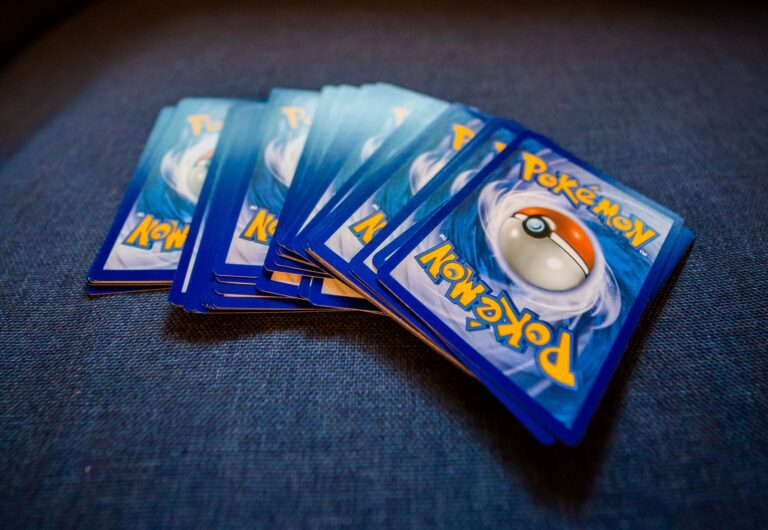
In 2026, the Pokémon card collecting landscape has undergone a meaningful shift. Collectors are no longer simply buying vintage cards because they’re old or famous—they’re evaluating them with the precision of seasoned investors, focusing on condition, scarcity, and authentic long-term value potential. This selectivity marks a maturation of the market after years of speculative buying driven by nostalgia and FOMO. A Charizard graded PSA 7 might hold steady in value, while an ungraded or poorly preserved copy sits dormant on the secondary market, illustrating how condition now determines collectibility more than ever before.
The 30th anniversary of Pokémon in 2026 has created unprecedented demand for vintage Wizards of the Coast cards, with prices on some cards rising 30–50% as dormant collectors return and new buyers enter the hobby. Yet this broad market enthusiasm hasn’t lifted all boats equally. While true vintage (pre-2010) cards command strong prices backed by fundamentals like scarcity and condition, the middle-market segment—cards from 2018 to 2022—has experienced significant corrections as buyers cut through the hype and demand substance. This isn’t chaos; it’s rationalization. The market is returning to fundamentals, and sophisticated collectors are winning.
Table of Contents
- Why Are Collectors Being More Selective About Vintage Pokémon?
- The Market Divide: Vintage Cards Surging While Middle Market Stumbles
- Condition and Grading: The New Standard for Serious Collectors
- Which Vintage Cards Are Performing Best in 2026?
- The Risk of Chasing the 30th Anniversary Hype
- Who’s Driving the Vintage Pokémon Market in 2026?
- Looking Forward: The Future of Vintage Card Collecting
- Conclusion
Why Are Collectors Being More Selective About Vintage Pokémon?
The pokémon card boom of 2020–2021 created an environment where availability often mattered less than momentum. Collectors bought chase cards regardless of condition, graded cards without clear justification, and held middle-market inventory expecting perpetual gains. That era has ended. Today’s selective approach reflects a fundamental shift in collector psychology—away from speculative accumulation and toward intentional curation based on rarity, condition, and provenance.
this selectivity stems partly from experience. Collectors who purchased heavily from 2020 onward have watched certain segments stagnate or decline. Modern Pokémon products have fallen 20–50% from their peaks, and chase cards that gained 200–500% in 2020–2021 now face resistance as buyers demand better risk-reward ratios. Genuine vintage cards—those with inherent scarcity and documented history—continue to appreciate, while lower-tier inventory languishes. The difference is measurable: a PSA 8 Blastoise from Base Set commands respect; a moderately graded Holo Rare from 2020 does not.

The Market Divide: Vintage Cards Surging While Middle Market Stumbles
The 2026 Pokémon market has split into three distinct tiers, and the middle is under pressure. True vintage cards—predominantly Wizards of the Coast releases from 1999–2003—continue climbing, fueled by their absolute scarcity and the nostalgic purchasing power of collectors now in their 30s and 40s. These cards are finite, and new production of them stopped two decades ago. Meanwhile, the newest releases attract fresh buyers and collectors returning to the hobby through modern sets like Prismatic Evolutions. The middle market—cards from 2018–2022—sits compressed between these two stronger segments. This middle-market correction reflects overcapitalization and oversupply.
During the pandemic boom, production volumes for modern sets were enormous, and secondary market prices inflated accordingly. Now, with reasonable supply and cooler demand, prices have stabilized or fallen. A collector who paid $150 for a 2020 chase card might see it valued at $80 today. This creates a painful but necessary reset: not all vintage-era cards are equally valuable, and recency doesn’t compensate for weak fundamentals. The implication for buyers is stark: allocating capital to true vintage with documented scarcity is safer than betting on middle-market cards hoping they’ll age well. The 30-year anniversary has made this lesson unmissable, as collectors watch high-supply modern inventory depreciate while pre-2010 Holo Rares appreciate.
Condition and Grading: The New Standard for Serious Collectors
Condition has always mattered for collectible cards, but in 2026, it has become the deciding factor between liquidity and illiquidity. The grading market itself has matured significantly. Collectors are now far more selective about which cards justify the grading investment, recognizing that a $20–$30 grading fee makes sense only for cards with meaningful upside potential. This shift has transformed the secondary market in concrete ways. A Shiny Snorlax from Paldean Fates exemplifies this precision. Since the start of March 2026, its price has more than doubled, but only for copies in excellent condition.
Heavily played copies or lower-grade examples have not appreciated proportionally, if at all. This spread—the gap between high-grade and low-grade versions of the same card—has widened across the market. Collectors understand that condition preservation and professional grading certify authenticity and consistency, reducing buyer risk when trading premium-priced vintage cards. The limitation here is that grading accessibility and cost can exclude casual collectors. A $500 vintage card might require a $30 grading fee to command top dollar, effectively raising the cost of entry. For lower-value vintage cards ($50–$200 raw), the grading ROI question becomes difficult to justify, and many remain ungraded. This creates a secondary market for graded-only high-value cards and a raw-card market for mid-tier inventory.

Which Vintage Cards Are Performing Best in 2026?
The standout performers in 2026 have been cards that combine scarcity with documented demand. Vintage WOTC cards, particularly Holo Rares and chase cards from Base Set through Neo Destiny, have seen 30–50% appreciation heading into the 30th anniversary. Within this category, specific cards have outperformed: Gengar cards have climbed in price consistently since the Ascended Heroes set became widely available in February, driven by collector focus on iconically powerful Pokémon and the card’s utility history. Crystal cards represent another bright spot, experiencing renewed collector interest due to extreme scarcity and their distinctive reverse-holo design. Produced in limited quantities during the e-Card era (2000–2002), Crystal cards have never been reprinted, creating genuine supply constraints.
As collectors mature and seek out deeper cuts beyond obvious powerhouses like Charizard or Blastoise, Crystal cards capture interest precisely because fewer collectors own them. This aligns with the broader trend: selective buyers are discovering and valuing true scarcity, not just famous names. The practical takeaway is that performance in 2026 rewards specificity. Collectors buying “a Base Set Holo Rare” without regard for which specific Pokémon or card often underperform relative to those targeting known demand drivers—iconic Pokémon, historically strong cards, and cards with extreme scarcity. The former approach treats cards as interchangeable; the latter treats them as distinct assets with individual merit.
The Risk of Chasing the 30th Anniversary Hype
The 30th anniversary has undeniably driven prices upward across vintage segments, but it also carries a real warning. Anniversary-driven buying often peaks and then cools as the occasion passes. Collectors who purchased aggressively in early 2026 should recognize that January marked a “watershed moment” for the market—a turning point where hype peaked—and price appreciation may moderate significantly once the anniversary window closes. The danger is cyclical. Early buyers often sell into strength once prices peak, creating downward pressure.
Those who purchased at the crest of 2026 enthusiasm may find themselves holding cards that appreciate more slowly than expected, or that experience temporary corrections. Collectors with a multi-year timeline can weather these swings; those expecting immediate gains face disappointment. The gap between early buyers (who paid lower prices) and late buyers (who paid into the hype) will widen as the anniversary effect normalizes. To mitigate risk, selective collectors in 2026 are applying strict condition and rarity criteria rather than broad exposure. Instead of buying “any” vintage WOTC card, they’re targeting specific cards with fundamental scarcity advantages and historical demand. This disciplined approach insulates them from anniversary-driven volatility and anchors their purchases to underlying value rather than temporal momentum.
Who’s Driving the Vintage Pokémon Market in 2026?
The primary buyers of vintage Pokémon cards today are collectors in their 30s and 40s, drawn back to the hobby by nostalgia and purchasing power accumulated over two decades. This demographic drives the bulk of demand for genuine vintage cards because they lived through the original Pokémon era and understand intuitively why a 1999 Base Set card carries weight. They’re patient, they know the cards’ history, and they’re willing to pay premium prices for condition and rarity because they’re buying for appreciation and personal enjoyment, not speculation.
Concurrently, new buyers have entered the market through recent modern sets, particularly Prismatic Evolutions, which attracted dormant collectors and introduced fresh interest. These newer buyers often lack the capital or knowledge base to operate in the ultra-premium vintage segment, but they sustain demand for modern-era cards and create a pipeline for future collectors who may trade into vintage as they develop deeper expertise and greater means. The combination of returning veterans and new entrants creates a two-speed market: strong demand from high-purchasing-power nostalgia buyers for true vintage, and emerging demand from newer collectors for accessible modern and lower-cost vintage cards.
Looking Forward: The Future of Vintage Card Collecting
The market’s projection of growth from USD 52.1 billion in 2026 to USD 90.2 billion by 2034 suggests sustained, long-term expansion in the collectible card space generally. However, this growth will not be evenly distributed. True vintage Pokémon cards are likely to remain anchored by their absolute scarcity and the demographic demand from aging collectors with resources. The appreciation trajectory visible today—around 30–50% heading into the 30th anniversary—should moderate into something closer to 8–12% annual appreciation once hype normalizes, but this still represents meaningful value growth backed by fundamentals.
The larger trend is a return to basics: genuine collectors are driving prices, market transparency has improved, and appreciation follows scarcity and condition rather than hype. This environment favors informed, selective buyers and penalizes speculative accumulation. Collectors who develop expertise in specific segments—whether true vintage WOTC, Crystal cards, or high-grade modern chase cards—will outperform generalists. The hobby is becoming less about volume and more about precision, and 2026 marks the beginning of a healthier, more mature phase in Pokémon card collecting.
Conclusion
Collectors are looking at vintage Pokémon more selectively in 2026 because market experience has taught hard lessons about the difference between hype and fundamentals. The 30th anniversary has driven real appreciation in genuine vintage cards, but it has also exposed middle-market and speculative inventory as overvalued. Condition, scarcity, and documented demand now determine which cards appreciate and which stagnate.
For collectors moving forward, selectivity is the operative strategy. Narrow your focus to cards with inherent scarcity, maintain strict condition standards, and align your purchases with long-term appreciation fundamentals rather than short-term hype. The Pokémon market of 2026 rewards precision, and the data clearly shows that informed buyers are winning.