
Pokémon variants appeal to collectors for a simple but powerful reason: they represent rarer, more desirable versions of beloved Pokémon that often feature entirely new visual designs and competitive capabilities. A shiny Charizard GX from a vintage set commands thousands of dollars while a standard Charizard of the same era may fetch only a fraction of that price—not because the card is inherently superior in game mechanics, but because the visual rarity and collector psychology surrounding variants makes them fundamentally different assets. The variant category encompasses everything from shiny Pokémon to regional forms, alt-art cards, and other premium versions that have reshaped how collectors assign value.
The appeal runs deeper than aesthetics alone. High-grade shiny Pokémon cards have appreciated 300–500% over the past five years, significantly outperforming traditional collectible markets. This appreciation isn’t random; it reflects genuine scarcity, cultural relevance, and the way variants trigger both nostalgia and novelty in the collector’s mind—a combination that drives sustained demand even as the broader trading card market fluctuates.
Table of Contents
- Why Regional Variants Changed the Pokémon Landscape
- The Visual Design Revolution Behind Variant Appeal
- Shiny Pokémon and the Hunt for Extreme Rarity
- The Adult Collector Effect and Sustained Demand
- Grading and Authentication in the Variant Market
- Japanese Vintage Promos and Historical Significance
- The Evolution of Variant Popularity and Future Outlook
- Conclusion
Why Regional Variants Changed the Pokémon Landscape
Regional variants were formally introduced in Generation VII with Alolan forms, but the concept expanded dramatically with Galarian forms in Generation VIII, Hisuian forms in Pokémon Legends: Arceus, and Paldean forms in Generation IX. this steady release cadence means that regional variants are no longer novelties; they’re now a core part of how the Pokémon Company reimagines the franchise. Each generation’s variants serve as a visual reset button on familiar Pokémon, giving collectors and players entirely new reasons to chase cards they might have overlooked in their original forms. The regional variant system fundamentally changed competitive viability.
Variants often bring new competitive niches that their original versions didn’t have, making previously overlooked Pokémon more useful in tournament play. A Pokémon that was once considered weak in competitive battles might become meta-relevant when given a regional form with different typing and stats. This dual appeal—both aesthetic freshness and mechanical novelty—is what distinguishes regional variants from other rarity categories. A standard Pikachu has limited competitive applications, but a Galarian Weezing or Alolan Raichu opens entirely new strategic possibilities, which translates to collector demand.

The Visual Design Revolution Behind Variant Appeal
Regional variants succeed because they represent genuine design innovation rather than simple recolors. Alolan Exeggutor’s palm-tree height, Galarian Corviknight’s metallic sheen, and Hisuian Samurott’s otter-warrior aesthetic demonstrate that these aren’t lazy palette swaps. The visual departure forces collectors to reconsider what a pokémon can be, which creates psychological separation from the original card in a collector’s mind and justifies the premium pricing. When a variant looks dramatically different, it feels like owning something genuinely new rather than a duplicate.
However, visual appeal alone doesn’t guarantee high value. A variant must also capture collector sentiment at the right moment—ideally when the source generation is recent enough to sustain hype but old enough to feel scarce. A 2023 Paldean variant may be visually stunning but still trade near pack value, while a 2016 Alolan variant in mint condition commands far more because fewer were printed and fewer have survived in high grade. The rarity formula matters as much as the design.
Shiny Pokémon and the Hunt for Extreme Rarity
Shiny Pokémon represent a distinct subcategory of variants with their own appeal logic. Shiny Regional Variants are among the rarest forms to hunt in Pokémon GO due to their limited availability, which translates directly to trading card value. A shiny Alolan Vulpix is exponentially rarer to obtain than a standard Alolan Vulpix, and that rarity cascades into card prices when players who caught rare shinies seek cards to commemorate their accomplishment.
For collectors, shiny cards occupy a unique position: they’re immediately recognizable as different (unlike some regional variants that require knowledge to distinguish), yet they’re also statistically rare enough to feel genuinely exclusive. A graded shiny card commands recognition even from casual observers, which amplifies its appeal in a collector community where status and uniqueness drive purchasing decisions. The risk here is that shiny appeal can be inflated—not every shiny variant will maintain value if the source Pokémon falls out of cultural favor.

The Adult Collector Effect and Sustained Demand
Adult collectors who grew up with Pokémon now possess significant disposable income, and they’re driving sustained demand for premium variant cards. This demographic isn’t primarily interested in gameplay value; they’re seeking emotional connection and portfolio diversification. A 35-year-old professional with a childhood connection to Pokémon Red might spend thousands on a first-edition Charizard variant simply because that card represents a tangible piece of their personal history—and because they have the financial means to pursue it without constraint. This collector demographic has fundamentally altered the market’s value structure. Twenty years ago, variant cards were interesting quirks.
Today, they’re the primary driver of premium pricing. A variant Pikachu will outprice a dozen standard versions of the same card, even if mechanically identical. The comparison is useful here: a standard 1995 Pikachu and a modern shiny variant represent two entirely different collector markets. One is valued for historical significance; the other is valued for contemporary rarity and aesthetic appeal. Both can coexist at vastly different price points.
Grading and Authentication in the Variant Market
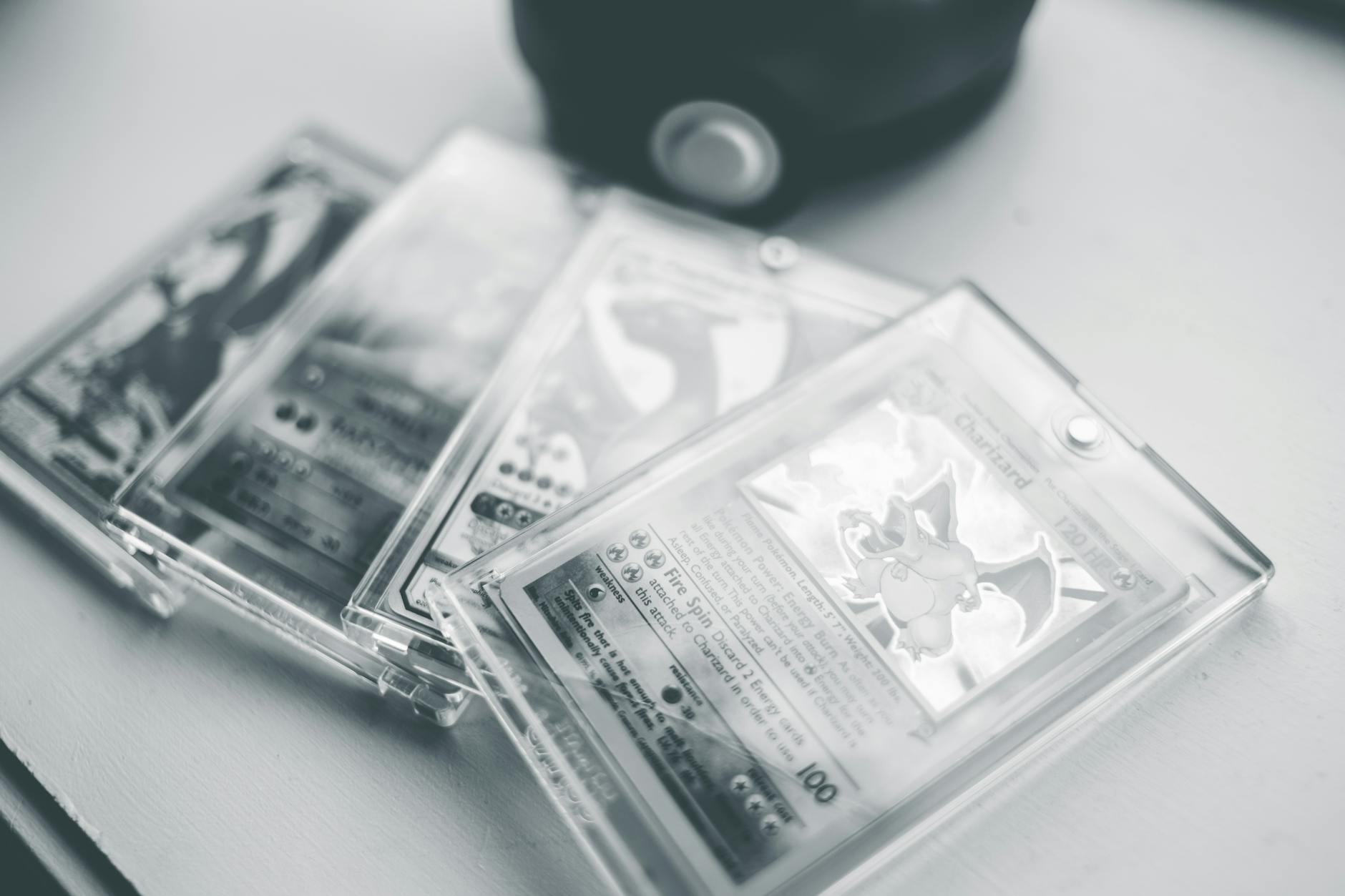
The variant market’s explosive growth has created both opportunity and risk in grading and authentication. High-grade shiny and regional variant cards command enough premium that counterfeiters have begun targeting this segment specifically. A PSA 10 shiny Charizard variant might sell for five figures, which creates economic incentive for fraud. Collectors pursuing variants must authenticate through established grading companies and verify card provenance, especially for older Japanese variants where authentication is more complex.
Grading inflation is another consideration. A variant card that grades well (PSA 9 or PSA 10) will see exponential value increases compared to the same card graded at PSA 7 or PSA 8. This means that the cost of professional grading becomes economically justified for expensive variants but prohibitive for lower-value versions. A collector must decide whether a marginal grading improvement justifies the grading cost, knowing that the market rewards high grades asymmetrically in the variant segment.
Japanese Vintage Promos and Historical Significance
Early Japanese vintage promos have been outperforming English counterparts in recent years, with collectors increasingly valuing original artwork and historical significance. A Japanese Pokémon Center promotional card from the 1990s carries prestige that an English equivalent doesn’t, partly because fewer were printed internationally and partly because Japanese cards are perceived as closer to the original source material. This preference has created a secondary market where Japanese variants trade at significant premiums.
The historical value of Japanese variants extends beyond scarcity. Collectors recognize that Japanese promos often feature artwork, typography, and design choices that were modified or simplified for English release. Owning the Japanese version feels like possessing the “authentic” variant, which justifies the price differential. A collector pursuing Japanese vintage variants should expect to pay substantially more, but the investment thesis rests on stable interest in historical authenticity.
The Evolution of Variant Popularity and Future Outlook
Regional variants have become normalized so quickly that future variants will need to compete within an increasingly crowded category. Each new generation introduces new regional forms, which means the rarity premium for any single variant diminishes as the total variant supply increases. A Paldean form released in 2024 faces a different rarity profile than Alolan forms did in 2016, because the market now expects variants as standard rather than exceptional.
Looking forward, the variant market will likely bifurcate: first-edition or early printing variants will continue appreciating as their scarcity becomes concrete, while later printings of the same variants will plateau or decline as supply normalizes. Collectors who recognize this timeline can position themselves strategically, pursuing variants from the early waves of each generation when scarcity is realest and demand is highest. The winners in the variant market won’t be those chasing the newest release, but those who understand which variants from recent generations will become genuinely scarce in five years.
Conclusion
Pokémon variants appeal because they combine rarity, design innovation, competitive utility, and emotional resonance in a way that standard cards cannot. The 300–500% appreciation of high-grade shiny cards over the past five years demonstrates that this appeal translates directly into sustained market value. Whether driven by regional form design, shiny status, or historical significance, variants have become the primary engine of value growth in the Pokémon trading card market.
For collectors, the variant segment offers genuine opportunities, but success requires understanding what drives value in each subcategory. Japanese vintage promos and early regional form printings are likely to retain and appreciate value, while later variants may face saturation. The most strategic approach combines patience, authentication diligence, and a clear understanding of which variants are positioned to become scarce rather than merely novel.
You Might Also Like
- This Quiet Pokémon Segment Keeps Rewarding Patient Buyers
- Why Some Pokémon Opportunities Need Calm Thinking
- This Quiet Category Could Become Much Busier Soon