How Pokémon Staying Popular Keeps Card Values Supported

Pokémon's sustained global popularity is the primary engine supporting card values in today's collector market.
PSA, BGS, and CGC grading guides and information
Pokémon's sustained global popularity is the primary engine supporting card values in today's collector market.

Pokémon card values rise and fall in lockstep with the franchise's cultural relevance, and understanding this connection explains why some cards soar...

Baseball card history suggests that Pokémon's market will likely experience a significant correction after its speculative boom, but selective...

Rich collectors are entering the Pokémon card market now because the asset class has demonstrated returns that rival or exceed traditional investments by...

The question of the most complete Pokémon card collection has two distinct answers, depending on whether you're measuring by officially verified size or...

The honest answer is that nobody truly knows the exact cost to buy every Pokémon card ever made—and the uncertainty is the most important insight.

Pokémon cards function as cultural time capsules because they capture specific moments in history through their design, production methods, distribution...

Building a Pokémon card display collection on $200 a month is entirely achievable if you're strategic about where you allocate your spending and willing...

The break-even point for grading versus selling raw typically occurs when a card's ungraded market value sits between $75 and $150, depending on the...
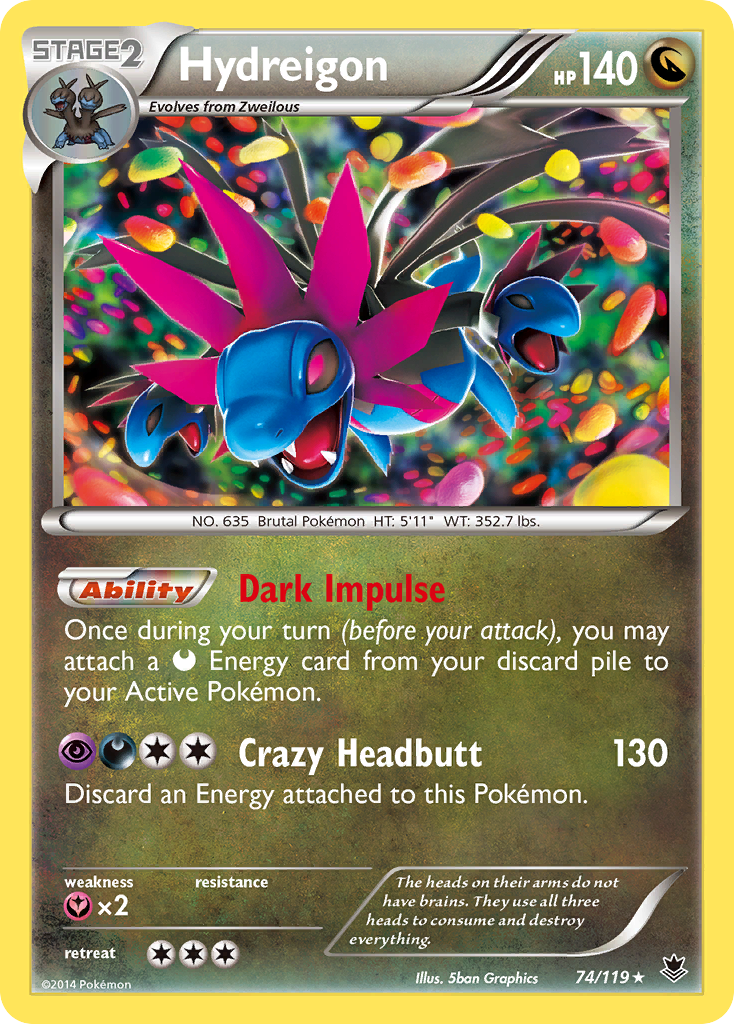
Graded cards typically command significantly higher prices than raw cards, but the difference varies dramatically based on the card's age, condition, and...