
Yes, 1999-2000 Pokémon cards are generally more valuable than cards from later years, but only when specific conditions are met. A first edition, mint condition Charizard from 1999 can sell for $10,000 to over $100,000 depending on grading, while a 2005 version of the same card might fetch only $50 to $500. The early print runs had lower production volumes, unique printing characteristics, and collector demand that distinguishes them from subsequent releases.
The real story is more nuanced than age alone. A heavily played 1999 card in poor condition might be worth only $5, while a near-mint 2010 modern card with special attributes could command $100 or more. The value premium for 1999-2000 cards comes from a specific combination of factors: scarcity of certain editions, the nostalgia factor driving collector demand, and the fact that fewer cards survived in good condition from that era.
Table of Contents
- What Makes 1999-2000 Pokémon Cards Worth More Than Later Releases?
- Understanding the Grading and Condition Factor in Vintage Card Value
- First Edition vs. Unlimited: The Rarity That Drives the Price Gap
- Holographic vs. Non-Holographic: How Printing Technique Affects Value
- Market Risk: Why 1999-2000 Card Values Can Fluctuate Sharply
- Shadowless and Base Set Variations: Printing Details That Command Premiums
- The Modern Card Market and Why Early Pokémon Cards Still Lead in Price
- Conclusion
What Makes 1999-2000 Pokémon Cards Worth More Than Later Releases?
The primary driver of value in early Pokémon cards is scarcity combined with vintage status. The 1999 Base Set print run was actually substantial, but not all cards received equal attention from collectors. First edition cards from 1999 are significantly scarcer than unlimited printings from the same year, and far scarcer than cards from 2005 or later when The Pokémon Company ramped production substantially. A first edition holographic Blastoise from 1999 easily commands 5 to 10 times the price of an unlimited version from the same set.
Condition scarcity amplifies this value gap. Most 1999-2000 cards were played with by children and spent years in shoeboxes, attics, and basements. Finding a 1999 card graded PSA 9 (mint condition) is genuinely rare. In comparison, modern cards from the 2020s were often collected as investments from the start, meaning more survived in pristine condition. This inverted rarity—fewer high-grade vintage cards despite potentially higher production numbers in some cases—pushes prices sharply upward for early Pokémon cards.

Understanding the Grading and Condition Factor in Vintage Card Value
A single card‘s value can swing from $20 to $2,000 based purely on its grade. A PSA 8 (near mint) 1999 holographic Pikachu might sell for $300, while a PSA 9 version of the identical card could fetch $1,200. This isn’t arbitrary—professional graders assess centering, corners, edges, and surface quality, and buyers in the high-end market trust these certifications because counterfeit vintage cards are common.
The catch: grading costs $15 to $100 per card depending on the service and turnaround time, and the process isn’t foolproof. A card graded PSA 8 by one evaluator might receive a PSA 7 or PSA 9 from another, introducing subjectivity. Additionally, older grading standards (cards graded in the 1990s) are sometimes considered less rigorous than modern standards, so a card slabbed PSA 8 in 1998 might grade lower if resubmitted today. Don’t assume a vintage card’s value is locked in once graded—market conditions and reevaluation can shift prices.
First Edition vs. Unlimited: The Rarity That Drives the Price Gap
The difference between first edition and unlimited 1999 pokémon cards is one of the sharpest value divides in the hobby. A first edition holographic Charizard from 1999 can exceed $100,000 in gem mint condition, while an unlimited holographic Charizard from the same year might sell for $1,500 to $5,000. This isn’t a typo—the first edition designation alone can represent a 20 to 50 times value multiplier. First edition cards are identifiable by a small stamp on the left side of the card’s bottom border.
The Pokémon Company only used this stamp on initial print runs before shifting to “unlimited” printings. Collectors prioritize first edition cards because they’re genuinely scarcer and represent the earliest official release. However, unlimited cards shouldn’t be dismissed—they still appreciate significantly compared to 2010s cards and remain sought after by budget-conscious collectors. The limitation here is that not all first edition cards are equally rare; high-demand cards like Charizard, Blastoise, and Venusaur command premiums, while first edition commons or lesser-known holographics lag far behind.
Holographic vs. Non-Holographic: How Printing Technique Affects Value
Holographic cards from 1999-2000 are worth substantially more than their non-holographic counterparts, but the premium varies by card and condition. A holographic Gyarados from 1999 might be worth $500 in PSA 8 condition, while a non-holographic version of the same card could sell for $10 to $30. The holographic texture wasn’t just decorative—it was a production challenge that made these cards rarer and more desirable to collectors. Early Pokémon holographic cards also used a different foil pattern and application process than modern cards.
The “shadowless” Pokémon cards from 1999 (where the Pokémon illustration has no drop shadow) feature a specific holographic pattern that’s distinct from later designs. This makes them instantly recognizable to serious collectors and command a premium. A caveat: counterfeit holographic cards are abundant in the market, so buying ungraded 1999 holographics from unknown sellers is risky. The cost of getting a card professionally graded ($20+) plus the risk of it grading lower than expected means casual buyers should either stick to pre-graded cards or buy only from reputable dealers.
Market Risk: Why 1999-2000 Card Values Can Fluctuate Sharply
The high prices of vintage Pokémon cards are driven partly by speculation, which introduces real volatility. In late 2021, the Pokémon card market experienced a bubble where even common holographics sold for inflated prices. By 2024, many of those same cards dropped 30 to 60 percent from their peak values. A card you bought for $1,000 in November 2021 might have been worth only $400 by mid-2023.
This volatility is a warning to treat these cards as collectibles first, investments second. The market can be influenced by celebrity endorsements, platform trends, Pokemon game releases, and general economic conditions. A famous YouTuber opening vintage packs temporarily spikes demand for that set, but the effect typically fades within months. Additionally, the market for lower-end vintage cards ($10 to $100 range) is far more liquid than the ultra-rare market, meaning you might struggle to find buyers for a marginal first edition card even if comps suggest it should be worth $300. Consider liquidity carefully if you’re holding cards expecting to resell them quickly.
Shadowless and Base Set Variations: Printing Details That Command Premiums
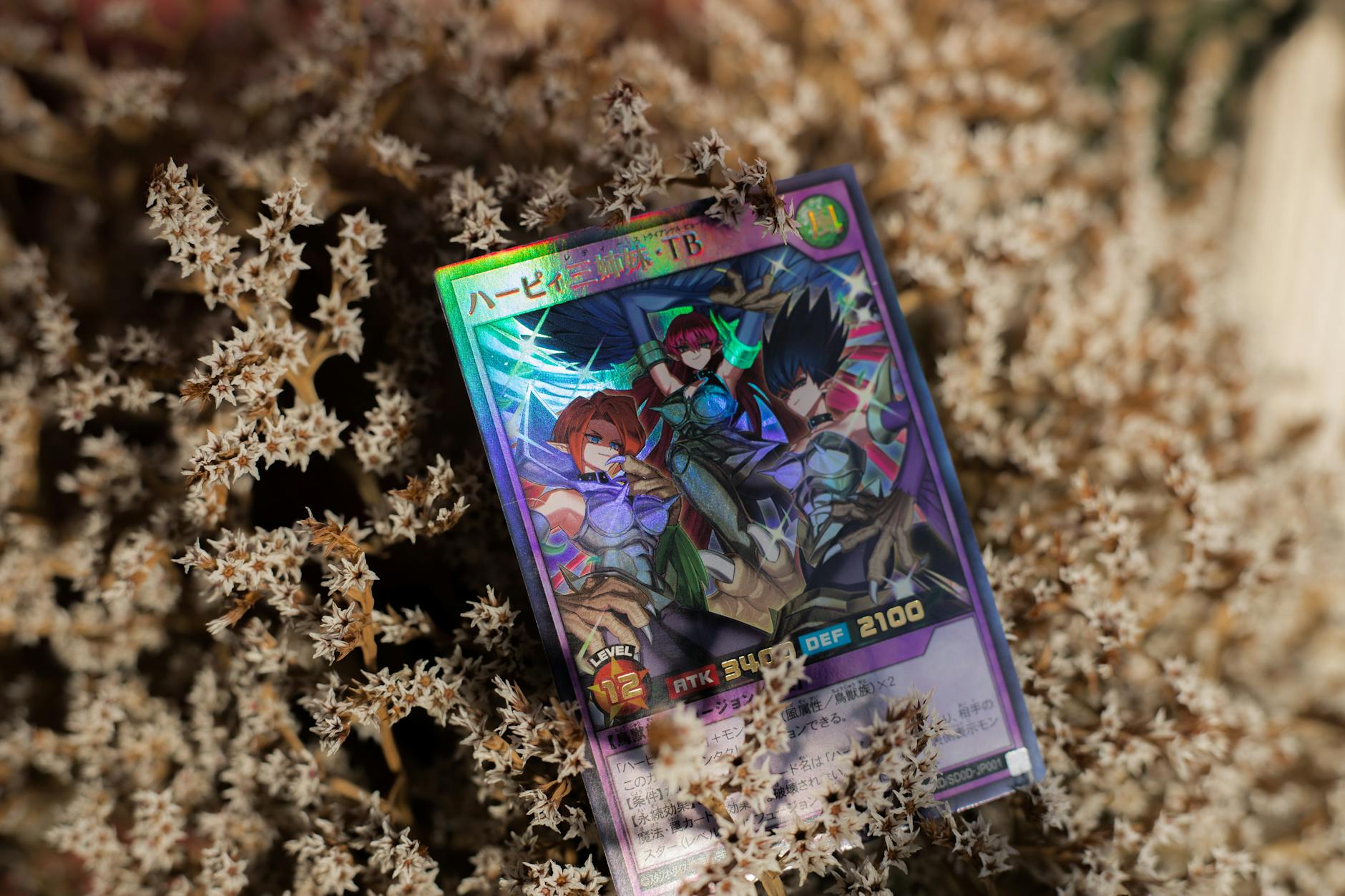
The earliest 1999 Pokémon cards include subtle printing variations that collectors obsess over. Shadowless cards (1999 printings where the Pokémon has no shadow outline) are slightly rarer and more valuable than shadow versions released later the same year. A shadowless holographic Venusaur can be worth 20 to 30 percent more than an otherwise identical shadowed version. These differences are visible only to trained eyes—the non-holographic backs are essentially identical, which is why professional grading documentation becomes critical for authentication and value justification.
Another layer of complexity: misprint cards from 1999 occasionally surface. A card with inverted or missing colors, or text errors, becomes a collector’s item in its own right. A misprint holographic card from 1999 can be worth significantly more or less than a normal version depending on the specific error and collector demand for that particular mistake. The takeaway is that 1999-2000 cards reward detailed knowledge, but that knowledge is also essential to avoid overpaying for common cards marketed as “rare.”.
The Modern Card Market and Why Early Pokémon Cards Still Lead in Price
Today’s Pokémon card market is segmented. Modern cards (2020 onwards) maintain steady collector interest and do appreciate, but they appreciate far more slowly than vintage cards because production volumes are enormous and condition is easier to maintain. A modern secret rare card might climb from $20 to $50 over five years, while a comparable 1999 card could move from $50 to $300 in the same timeframe.
Forward-looking, the 1999-2000 cards will likely remain the price tier leaders indefinitely because they’re genuinely wasting assets—cards deteriorate, get lost, or are damaged beyond recovery each year. Meanwhile, the supply of modern cards remains abundant. Collectors should expect 1999-2000 cards to continue appreciating, but not at the explosive rates seen during the 2020-2021 bubble. The market has matured, and valuations are becoming more rational and condition-dependent.
Conclusion
1999-2000 Pokémon cards are more valuable than later releases in almost every category—first edition, holographic, and gem mint condition versions command premiums that dwarf modern equivalents. The combination of scarcity, condition rarity, and nostalgia-driven demand creates genuine value separation. However, this doesn’t mean every 1999 card is a goldmine; common non-holographics in played condition might be worth only $1 to $5 regardless of age.
If you’re buying or selling vintage Pokémon cards, prioritize condition assessment and professional grading for anything worth more than $100. Avoid overpaying for ungraded cards, understand that market bubbles exist, and accept that not every 1999 card will triple in value. The cards that do appreciate meaningfully are those with documented scarcity, first edition status, and high grades—everything else is a collector’s gamble.
You Might Also Like
- What Is The Difference Between 1999 And 1999-2000 Pokémon Cards
- What Does 1999-2000 Mean On Pokémon Cards
- How To Identify 1999-2000 Pokémon Base Set Cards