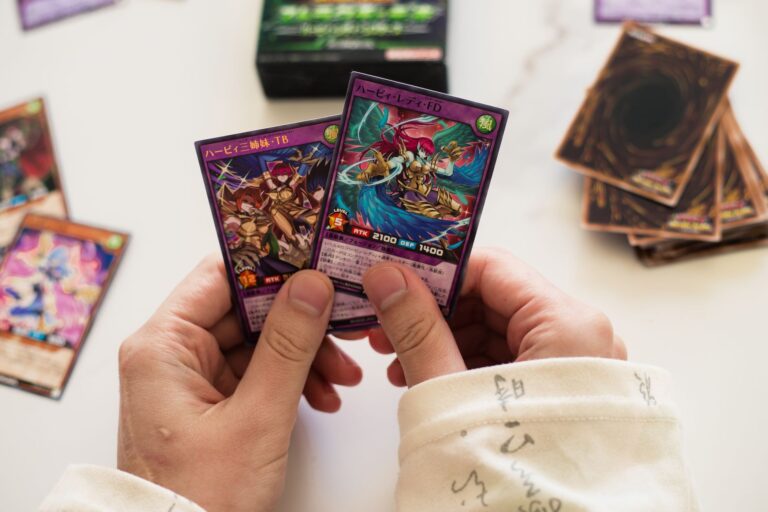
Lorcana cards will almost certainly never rival Pokémon in long-term investment value, despite impressive short-term returns. First Chapter booster boxes have appreciated 555-660% since release, yet this pales compared to what happened with vintage Pokémon cards, which have seen some individually grade cards sell for hundreds of thousands of dollars. The fundamental difference isn’t just about the numbers—it’s about how these markets developed and the supply dynamics each faces.
This article examines why Lorcana’s impressive early gains don’t translate to Pokémon-level value appreciation, what the data shows about current market movements, and what collectors considering Lorcana as an investment should actually expect. The short answer comes down to three structural problems: Pokémon cards became valuable accidentally in a pre-internet era with limited production awareness, while Lorcana is being actively speculated on and hoarded from day one; sealed product supply for Lorcana will likely remain too abundant for the kind of scarcity that drives long-term appreciation; and no Lorcana cards have reached anything close to the price ceiling of the rarest Pokémon cards. Understanding why matters more than celebrating the gains you see today.
Table of Contents
- Impressive Returns That Miss the Mark
- How Pokémon Cards Built Accidental Value
- The Recent Spike in Iconic Lorcana Cards
- Sealed Product Holding Periods and Strategy
- The Speculation Problem and Supply Abundance
- Market Size and Data Tracking
- The Realistic Future of Lorcana Cards
- Conclusion
Impressive Returns That Miss the Mark
Lorcana’s investment performance looks exceptional on its surface. First Chapter booster boxes have climbed from a $144 MSRP to between $800 and $1,100, representing gains of 555-660 percent. Rise of the Floodborn boxes show 143-230 percent returns. These are numbers that would make any investor happy in most asset classes. However, they tell an incomplete story when compared to what happened with pokémon. The critical distinction is scale and longevity.
Pokémon’s most expensive rare cards—think first edition Charizard or shadowless holographics—appreciate to levels Lorcana hasn’t approached. When you compare Lorcana cards directly against Pokémon, Yu-Gi-Oh, and Magic: The gathering cards across the market, Lorcana doesn’t rank at the top of the price hierarchy. No individual Lorcana card has matched the price ceiling of the rarest Pokémon cards. This matters because it suggests the market cap for Lorcana value appreciation has a lower ceiling. The real test for Lorcana won’t come in the first five years but in the 10-20 year window, when sealed products from today sit in storage and the supply of original print runs matters. Historical precedent suggests sealed product from popular TCGs appreciates 150-400 percent over 3-5 year holding periods, which aligns roughly with what Lorcana is showing now. But that trajectory flattens dramatically after the initial hype cycle cools.

How Pokémon Cards Built Accidental Value
The structural reason Pokémon cards became investment vehicles is almost absurd in hindsight: nobody planned for it. In 1999, nobody at The Pokémon Company or in the collector community was hoarding first edition base set boxes thinking they’d be worth thousands. Cards were opened, played with, lost, and damaged at scale. Production numbers weren’t public. The internet barely existed. When these cards eventually became valuable 15-20 years later, the supply was genuinely constrained because the cards were already scattered, damaged, or gone forever. Lorcana exists in a completely different environment.
Disney and manufacturers know the card game is an investment vehicle before the product even releases. Collectors actively hoard sealed product from the moment boxes appear. Prices are tracked in real-time on TCGPlayer. There’s data on production runs. This early, conscious speculation actually suppresses long-term appreciation because supply gets artificially held, not depleted. When collectors eventually liquidate their holdings, supply floods back in. However, if Lorcana somehow becomes a genuine cultural phenomenon at the level of Pokémon—moving beyond the overlap between Disney and trading card game audiences—then the rules could change. But that’s the optimistic scenario, and it requires Lorcana to grow the market, not just consolidate existing collectors. The warning here is simple: early gains don’t predict later performance when market dynamics are this different.
The Recent Spike in Iconic Lorcana Cards
As of mid-March 2026, Disney Lorcana saw notable price movement, particularly in cards appealing to a specific collector subset. Mickey Mouse – Brave Little Prince (Iconic) experienced the biggest price spike, driven by Disney Parks and Disney Cruise Lines collectors—people who collect Disney memorabilia first and trading cards second. This is a crucial detail. The spike wasn’t driven by tcg speculation; it was driven by a niche audience buying for cultural reasons. Fabled booster boxes have become difficult to find in stores, which is causing Iconic card prices to continue rising.
This is a textbook supply squeeze, but not the kind that drives decade-long value appreciation. It’s a temporary bottleneck. Once supply normalizes or later sets become easier to find, the pressure releases. The distinction between scarcity (temporary shortage) and rarity (long-term constraint) matters enormously for investment returns. What’s instructive here is that the strongest price movement in Lorcana comes from specialized niches—Disney fans, not pure TCG investors. This suggests Lorcana’s value is capped by the intersection of two audiences rather than one massive market. Pokémon, by contrast, created its own massive TCG audience independent of Nintendo fandom, which expanded the collector base dramatically.

Sealed Product Holding Periods and Strategy
If you’re considering Lorcana as an investment, you need a realistic time horizon. Historical data shows sealed TCG product typically appreciates 150-400 percent over 3-5 year holding periods. That’s consistent with what Lorcana is delivering right now. The question is what happens after year five. For Pokémon, sealed product from the 1990s and early 2000s has appreciated far beyond that range because supply eventually constricted and demand grew exponentially.
Sealed Lorcana product is unlikely to follow that path because manufacturers have no incentive to constrain supply—they profit from production—and hoarding from collectors means supply actually gets held off the market for years. The tradeoff is obvious: you could see solid 150-400 percent returns in the next 5 years, but your risk of holding overvalued product for 10-20 years is substantially higher than it was with Pokémon. The practical implication is timing. If you buy Lorcana sealed product now expecting it to 10x like certain Pokémon sets, you’re setting yourself up for disappointment. But if you expect 200-300 percent returns over 5 years and plan an exit window, the math becomes more realistic.
The Speculation Problem and Supply Abundance
The single biggest factor working against Lorcana’s long-term investment trajectory is intentional speculation combined with abundant supply. Unlike Pokémon, where hoarding happened after value was already recognized, Lorcana is being hoarded preemptively. This changes everything about the supply dynamics. When the market eventually matures and early speculators liquidate their holdings, supply will spike. Price appreciation will flatten or reverse. Historical precedent from other TCGs shows this pattern consistently.
Additionally, Disney has every incentive to keep Lorcana in print and supply high—it’s a revenue stream. There’s no version of Lorcana history where production gets constrained to boost secondary market values. Pokémon had production constraints in the late 1990s and early 2000s, partly by accident, which artificially limited supply. Lorcana never will. The warning here is that the ease with which you can buy Lorcana product today—or expect to buy it next year—is the best predictor of its long-term value. If it stays easy to find, it will never match Pokémon’s rarity premium. If it becomes genuinely hard to find years from now, then the investment case strengthens.

Market Size and Data Tracking
Sports Card Investor currently tracks 4,337 Disney Lorcana cards in their database. For context, the total Pokémon card database is exponentially larger. This smaller tracking base reflects both a smaller total card population and a younger market. The advantage is that Lorcana’s price data and investment performance are transparent and trackable in ways Pokémon cards in the 1990s never were.
This transparency actually works against investors. You can see exactly how many cards are being hoarded, which versions are being speculated on most aggressively, and where bottlenecks exist. This information helps publishers and retailers manage supply more intelligently than they could have in Pokémon’s early days. Information symmetry reduces the chances of the kind of accidental scarcity that made Pokémon so valuable decades later.
The Realistic Future of Lorcana Cards
Lorcana will almost certainly appreciate in value over the next 5-10 years, but probably at the lower end of TCG historical averages rather than Pokémon-level gains. The most likely scenario is that Lorcana cards become a respectable collectible with 3-5x returns on sealed product, similar to other established TCGs like Magic: The Gathering or Yu-Gi-Oh, rather than matching Pokémon’s singular market position. The outlier scenario—where Lorcana somehow captures a massive new audience and becomes the default trading card game for a new generation—would change this calculation entirely.
But that would require Lorcana to grow beyond the overlap of Disney and TCG audiences, which is a challenging market expansion problem. Most TCGs don’t pull that off. The path forward for Lorcana is as a solid mid-tier collectible, not as the next Pokémon.
Conclusion
Lorcana cards will not rival Pokémon in long-term investment value because the market conditions that created Pokémon’s exceptional returns—accidental supply constraints, pre-internet scarcity, explosive audience growth—don’t exist for Lorcana. The impressive 555-660 percent appreciation in First Chapter boxes is real and encouraging, but it reflects early enthusiasm and supply constraints that are temporary rather than structural. Once the market matures, those gains will likely plateau.
If you’re considering Lorcana as an investment, evaluate it realistically against the 3-5 year historical precedent for TCG sealed product (150-400 percent returns) rather than against Pokémon’s singular success. Buy with an exit strategy, understand that Disney has no incentive to constrain supply for value appreciation, and recognize that the strongest price drivers in Lorcana come from niche collectors (Disney fans) rather than mainstream TCG demand. That doesn’t make Lorcana a bad investment—it just means your expectations should be calibrated to what the market can actually deliver.