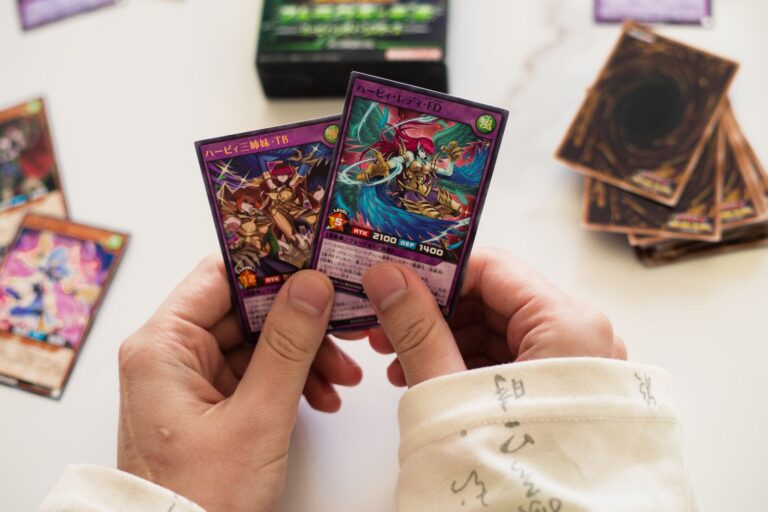
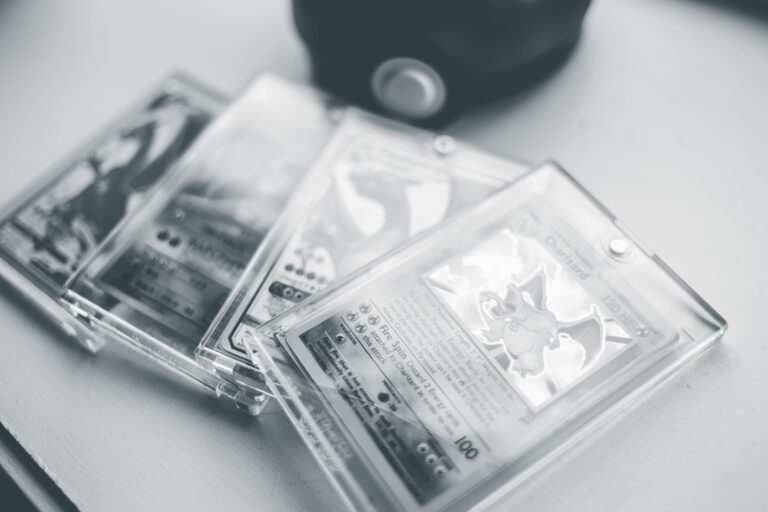
Trump’s tariff policies are directly affecting Pokemon card prices in the United States through a 24% tariff on Japanese imports, which is the primary source of Pokemon cards. This tariff has caused Japanese TCG products—including booster boxes, starter decks, and sealed sets—to become significantly more expensive for US collectors and retailers. A collector looking to buy a Japanese booster box that cost $100 before tariffs might now face an additional $24 in tariff fees passed along at the point of sale, fundamentally shifting which products represent good value.
The impact extends beyond sticker prices. Tariff policies are reshaping which products collectors should actually buy, how grading services operate, and what inventory American card shops can afford to stock. This article covers how tariffs work in practice, which products are most affected, and the strategic shifts collectors are making to adapt to the new pricing environment.
Table of Contents
- What Tariff Policy Is Directly Raising Card Prices
- The Crackdown on Grading and International Card Authentication
- How High-Value Cards Face Substantial Tariff Costs
- The Strategic Shift From Booster Boxes to Individual Singles
- Price Spikes and Market Volatility From Tariff Uncertainty
- How Sealed Product Availability Is Being Redefined
- The Outlook for Pokemon Cards Under Continued Tariff Policy
- Conclusion
- Frequently Asked Questions
What Tariff Policy Is Directly Raising Card Prices
The Trump administration implemented a 24% tariff against Japanese imports, and Japanese Pokemon cards fall squarely within that scope since The Pokemon Company manufactures most TCG products in Japan for international distribution. When Japanese TCG products enter US customs, these tariff costs are assessed and typically passed through the supply chain—from importers to distributors to retailers to consumers. A $100 booster box now carries a $24 tariff cost that businesses add to their retail price to maintain margins.
Additionally, 25% tariffs on Canada and US imports have created complexity for cross-border card trading and grading logistics. This multi-pronged tariff approach has made importing and moving cards across borders significantly more expensive than it was before April 2025, when the tariff policies came into effect according to reporting from SNKRDUNK Magazine. The compounding effect is that both sealed product and high-value singles now carry unexpected costs that weren’t factored into traditional card collecting budgets.

The Crackdown on Grading and International Card Authentication
one of the most direct consequences has been PSA’s (Professional Sports Authenticator) decision to pause acceptance of grading submissions to U.S. facilities from international customers. PSA made this decision specifically because of the significant tariff expenses associated with receiving and processing cards that cross borders.
If you’re a collector in Canada or Japan who wants to send cards to PSA’s US facility, you’re now blocked—not by choice, but by tariff economics making the service untenable. However, if you’re sending cards domestically (US to US), grading services still operate normally. The limitation here is that the international Pokemon card market is now effectively fragmented; cards that need PSA authentication for high-value sales are stuck in their countries of origin unless collectors pay the tariff costs on top of grading fees. This particularly impacts high-value Japanese cards and vintage imports that depend on third-party authentication to verify authenticity and condition.
How High-Value Cards Face Substantial Tariff Costs
Collectors importing high-value individual cards now face concrete tariff bills. For example, if you’re buying a high-value card like Umbreon EX from Prismatic Evolutions (priced in the $150-$300 range) from a Japanese seller, you could face $100-$300+ in tariff fees depending on the import structure and whether tariffs are applied at 10-20% rates in addition to the baseline 24% Japan tariff. This makes purchasing sealed booster boxes from international sources even less economical, since the tariff applies whether you’re importing a $10 card or a $500 vintage holographic.
The math shifts dramatically when you factor in these costs. A single high-value card with $200 in tariff fees becomes impractical to import, whereas that same $200 in tariff fees spread across 100 cards in a booster box feels more acceptable per-unit. This has created perverse incentives where big box shipments make more economic sense than individual high-value card imports, flipping traditional collector behavior on its head.
The Strategic Shift From Booster Boxes to Individual Singles
Smart collectors and resellers are now purchasing individual singles from external sellers rather than official booster boxes or sealed product, because individual cards are less impacted by tariffs than sealed products moving through official distribution channels. This is a significant behavioral shift that’s reshaping the secondary market. If you want Japanese cards, you’re better off buying singles from a reseller who’s already absorbed the tariff cost and is selling individual cards—rather than buying a sealed booster box and paying tariffs on top.
The tradeoff is that buying singles removes the chase and gamble of opening packs, and you lose out on the potential lottery value of pulling an ultra-rare card that could be worth far more than box cost. However, for collectors interested in specific competitive cards or chase holos, buying the exact card you need from a seller who bought in bulk and distributed the tariff cost across 50+ cards is now the more rational economic decision. This shift is particularly pronounced for players building specific decks rather than collectors who just want to crack packs.
Price Spikes and Market Volatility From Tariff Uncertainty
The Pokemon card market has experienced significant price volatility as tariff policies settled in. TCGPlayer reported major price spikes in Pokemon cards on January 7, 2026 and again on March 18, 2026, indicating ongoing market adjustment and uncertainty. These spikes suggest that retailers and collectors are still recalibrating what Pokemon cards should cost in a tariff environment, with different cards spiking at different times as supply chains adapt.
The limitation here is that tariff-driven volatility is different from traditional scarcity-driven price increases. A card spiking in price due to a tariff policy could collapse if tariff policies change, making it a risky time to invest heavily in Japanese cards expecting price appreciation. If tariffs are repealed or renegotiated, the entire pricing structure could shift downward, wiping out recent price gains. Collectors should separate the distinction between cards increasing in value due to genuine scarcity and collector demand versus cards spiking due to tariff pass-through.

How Sealed Product Availability Is Being Redefined
The tariff impact has forced US retailers to make hard choices about which sealed products to stock. A shop owner importing a shipment of Japanese booster boxes now pays 24% more in tariff costs, which either gets passed to customers (making boxes uncompetitively expensive) or cuts into thin retail margins.
As a result, many US retailers have reduced Japanese sealed product inventory in favor of domestic reprints or local-market products that don’t face import tariffs. This has practical consequences: finding Japanese booster boxes at your local card shop is now harder than it was a year ago, and when you do find them, they’re priced significantly higher. The secondary market (TCGPlayer, eBay) has become the more economical source for Japanese sealed product because resellers buying in bulk distribute tariff costs more efficiently than retail shops.
The Outlook for Pokemon Cards Under Continued Tariff Policy
If tariff policies remain in place, expect Japanese Pokemon cards to permanently maintain a price premium relative to pre-tariff baselines. Collectors should plan around the assumption that Japanese cards will cost roughly 20-30% more than they did in 2024, unless significant supply sources emerge from non-tariffed countries or The Pokemon Company accelerates manufacturing in US-based facilities.
Neither of these scenarios appears imminent. The Pokemon card market will likely continue adjusting toward the secondary market (singles) and away from sealed booster box openings for Japanese products. This isn’t necessarily bad for long-term collector value—it may actually create more stability in secondary market pricing—but it does change the experience and economics of collecting Japanese cards for US-based hobbyists.
Conclusion
Trump’s tariff policies are raising Pokemon card prices in the United States primarily through a 24% tariff on Japanese imports, which covers the vast majority of TCG products. This tariff is being passed through the supply chain to collectors and has already triggered visible market changes: PSA paused international grading, collectors are shifting to individual singles over booster boxes, and price volatility has spiked on platforms like TCGPlayer.
If you’re collecting Pokemon cards right now, the practical reality is that Japanese sealed product is more expensive and less available at retail, grading services are more complicated for international shipments, and buying individual cards strategically is often more economical than cracking booster boxes. The Pokemon card market will likely stabilize at these new higher price points if tariff policies remain unchanged, but collectors should monitor policy changes since tariff adjustments could shift the entire pricing structure.
Frequently Asked Questions
Will Pokemon card prices go back down if tariffs are removed?
Yes, likely—though not immediately. Retailers and resellers would need time to clear inventory purchased at tariff-inflated prices. If tariffs disappear, you’d probably see a 3-6 month lag before secondary market prices adjust downward. However, some price gains driven by genuine scarcity or collector demand would persist.
Are US-printed Pokemon cards affected by tariffs?
No. Tariffs only apply to Japanese imports. US-printed booster boxes and products made domestically avoid the 24% Japan tariff entirely, though some US products may be affected by the separate 25% tariffs on Canada and US imports. US-printed cards are becoming a relatively better value if they’re available.
Should I buy Pokemon cards now or wait for tariffs to go down?
That depends on your goal. If you’re a competitive player who needs specific cards to play, buy singles now—you’ll get the exact cards you need at the lowest cost per card. If you’re hoping for price appreciation or collecting sealed product, waiting is reasonable since tariff-driven price increases could reverse.
Can I still grade cards at PSA if I’m in the US?
Yes. PSA only paused international submissions. If you’re sending cards domestically within the US, PSA still accepts grading submissions normally. The problem is international customers sending cards to the US.
Is it cheaper to buy Japanese cards directly from Japan?
Not anymore. You’d still pay the 24% tariff on import plus international shipping, which is likely more expensive than buying from a US reseller who’s already absorbed and distributed the tariff cost across bulk purchases.