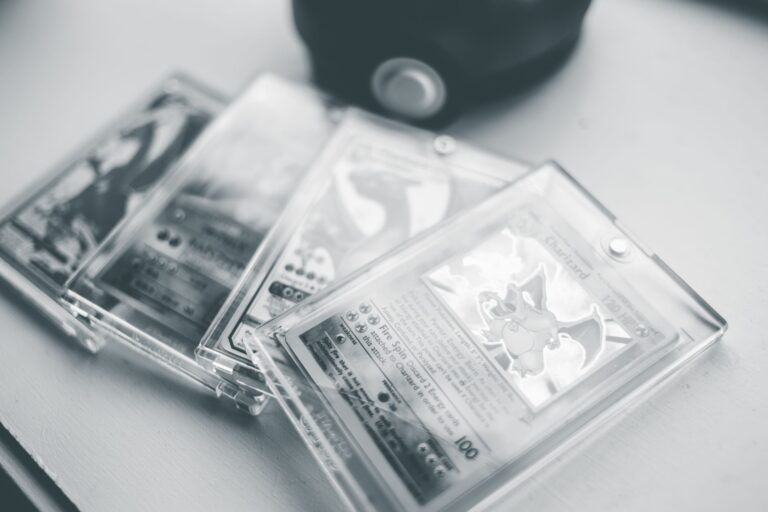
Fans in the Pokemon card community are increasingly sharing detailed analysis online, using digital platforms to dissect pricing trends, card condition grades, rarity assessments, and investment potential. This behavior reflects broader patterns in online fan communities, where enthusiasts gather to create and distribute information collectively. For example, Reddit communities like r/PokemonTCG and Discord servers dedicated to card collecting have become spaces where collectors post high-resolution images of rare cards, discuss recent sale data, and debate whether specific cards represent good value investments.
This article explores how and why fans share this analysis, what platforms facilitate these discussions, and what this means for both casual collectors and serious investors in the Pokemon card market. The phenomenon isn’t entirely new—collectors have always discussed cards with one another—but the scale and accessibility of online analysis has transformed how information spreads. When a new Pokemon card set releases or a rare card sells for an unexpected price, analysis appears almost immediately across multiple platforms, allowing collectors worldwide to learn and form opinions simultaneously. Understanding these patterns helps collectors navigate the market more effectively and recognize which sources of community analysis are most reliable.
Table of Contents
- Why Pokemon Card Fans Share Detailed Analysis Online
- Digital Platforms Reshaping How Analysis Spreads
- The Economics of Shared Analysis in Pokemon Card Collecting
- Building Reputation Through Quality Analysis
- Common Pitfalls in Online Card Analysis
- Using Community Analysis Effectively
- The Future of Fan Analysis in Pokemon Card Markets
- Conclusion
Why Pokemon Card Fans Share Detailed Analysis Online
Pokemon card collectors use online platforms to share analysis for several overlapping reasons. First, there’s the genuine desire to contribute to a community of people with shared interests—the research on online fan communities shows that participants often create and share information as a form of community building rather than purely for personal gain. A collector who spends hours researching the print variations of a 1999 Base Set Charizard isn’t necessarily trying to profit; they’re offering that knowledge as a contribution to the wider community. Second, sharing analysis serves practical purposes for individual collectors. Someone considering selling a card wants to know its current market value; someone looking to build a collection wants to identify undervalued cards.
By sharing pricing data, condition assessments, and market trends, collectors help each other make more informed purchasing decisions. A collector might post detailed photos of a card’s centering, corners, and surface quality—information that determines its grade and value—specifically so others can understand what to look for when evaluating similar cards. Third, the documentation itself has become valuable. When multiple collectors share their analysis of a particular card or set, patterns emerge that no single collector could identify alone. This crowdsourced approach to understanding the market creates a kind of collective knowledge base that benefits everyone participating.

Digital Platforms Reshaping How Analysis Spreads
The platforms where fans share analysis fundamentally shape what gets discussed and how. Reddit communities dedicated to Pokemon cards function as semi-permanent records—a discussion from three years ago about a particular card’s condition grading is still searchable today. Discord servers, by contrast, move faster but information disappears into chat history. YouTube videos from card graders and market analysts reach broader audiences but require more production effort. Each platform attracts different types of analysis: detailed written assessments on Reddit, real-time price discussions on Discord, production-quality grading walkthroughs on YouTube. However, this decentralization creates challenges.
Information becomes fragmented across platforms, and quality varies dramatically. An amateur collector’s speculation about a card’s value might receive the same visibility as analysis from someone with years of grading experience. Additionally, the algorithmic nature of social media platforms means that sensational or emotionally engaging analysis—”this card is about to skyrocket” or “this graded card is a scam”—often spreads faster than measured, nuanced assessment. Collectors new to online communities may struggle to distinguish reliable sources from unreliable ones. The shift to online platforms has also accelerated the pace of market response. When detailed analysis of a card or set appears online, market prices can shift within hours as collectors act on that information. This speed benefits some collectors but disadvantages others who lack constant access to these discussions.
The Economics of Shared Analysis in Pokemon Card Collecting
Sharing analysis has concrete economic effects on the Pokemon card market. When collectors collectively identify an undervalued card and discuss it extensively online, demand for that card increases, pushing prices upward. Conversely, detailed analysis showing that a card’s condition is worse than previously assumed, or that similar copies sold for less recently, can suppress prices. A real example: when detailed grading analysis revealed that certain early Pokemon cards had printing variations affecting their rarity, prices for those specific variations shifted as collectors incorporated this new information. Professional card graders and market analysts participate in these discussions but occupy a different position than casual collectors.
They’re invested in the market professionally, their analysis carries more weight, and their information is often sought out specifically. However, the distinction between professional and amateur analysis isn’t always clear online, and some collectors blur the line by building reputation through consistent quality analysis over time. The economic impact extends beyond individual cards. Collective analysis can influence perceptions of entire sets or eras, affecting demand patterns across multiple products. When detailed analysis convinces collectors that a particular set is undervalued as an investment, buying pressure can increase across that set’s entire print run.

Building Reputation Through Quality Analysis
Collectors who consistently share reliable, detailed analysis tend to build reputation within their communities. This reputation creates several advantages: other collectors seek out their assessments, they gain followers on platforms like YouTube or Twitter, and they may eventually monetize their expertise through sponsorships, consulting, or selling market reports. The path to reputation requires sustained effort—one good analysis doesn’t establish credibility, but years of accurate assessments do. However, this creates an incentive structure that sometimes conflicts with accuracy.
Collectors with established reputations face pressure to maintain that status, which can make them reluctant to admit errors in previous analysis or reverse positions when market conditions change. Additionally, building reputation requires visibility, which rewards engaging writing and presentation over sheer accuracy. A collector who presents their analysis in a compelling narrative might gain followers faster than one whose analysis is more thorough but less readable. Some collectors intentionally share analysis in real-time, documenting their reasoning as market conditions change. This transparency can build trust because observers see the collector’s thought process and how they adapt to new information, rather than only seeing final conclusions.
Common Pitfalls in Online Card Analysis
One significant limitation of online fan analysis is the lack of standardized evaluation criteria. When different collectors assess a card’s condition, they may reach different conclusions about its grade. This variation reflects genuine differences in how people interpret grading standards, but it creates confusion for collectors relying on online analysis to make purchasing decisions. The formal grading services like PSA and BGS exist partly to provide standardization that online amateur analysis cannot match. Another pitfall is confirmation bias.
Collectors who believe a certain set will increase in value may selectively share and emphasize analysis supporting that view while downplaying contradicting information. This creates echo chambers where pessimistic or contrarian analysis gets less visibility than bullish speculation. New collectors drawn to these communities might develop distorted understandings of market conditions based on what they see shared most frequently. Scams and misleading analysis also exist online. Some individuals post fake grading photos, present speculative price predictions as facts, or deliberately promote certain cards to manipulate prices. Distinguishing legitimate analysis from manipulation requires skepticism and cross-referencing information across multiple sources—a skill that takes time to develop.

Using Community Analysis Effectively
For collectors wanting to benefit from online analysis without being misled, several practices help. Cross-referencing the same information across multiple independent sources reveals where consensus exists and where opinions diverge. Looking at the reasoning behind analysis—not just the conclusion—helps identify whether someone is basing their assessment on concrete evidence or speculation.
Distinguishing between analysis of intrinsic card qualities (condition, rarity, print variations) and predictions about future prices is crucial; the former has more reliability than the latter. Some collectors maintain spreadsheets tracking claims made by various online analysts over time, documenting accuracy rates. This approach treats online analysis as a source of information to evaluate rather than authority to follow.
The Future of Fan Analysis in Pokemon Card Markets
As the Pokemon card market matures, the relationship between fan analysis and price discovery likely continues evolving. The rise of automated data collection—tools that scrape completed sales from marketplaces to create market indices—may shift emphasis from subjective qualitative analysis toward quantitative trend documentation.
Simultaneously, detailed qualitative analysis of print variations, production errors, and condition subtleties will likely remain valuable because automation struggles with visual assessment. The barrier between amateur and professional analysis may continue blurring, with the best amateur analysts gaining access to platforms and resources previously limited to industry professionals. However, this democratization of analysis capability comes alongside increasing amounts of noise and misinformation online.
Conclusion
Pokemon card fans sharing detailed analysis online contributes significantly to how the market functions. These discussions help collectors understand card values, identify investment opportunities, and appreciate the subtle differences that distinguish valuable copies from common ones. The accessibility of these platforms means that information spreads rapidly and broadly, benefiting the overall transparency of the market.
At the same time, collectors should approach online analysis critically, recognizing that quality varies and that incentives for sharing aren’t always perfectly aligned with accuracy. The most effective use of community analysis combines multiple sources, focuses on well-reasoned assessments over speculative claims, and treats online discussions as information to evaluate rather than conclusions to accept automatically. For serious collectors and investors, this discernment becomes increasingly important as the volume of shared analysis grows.