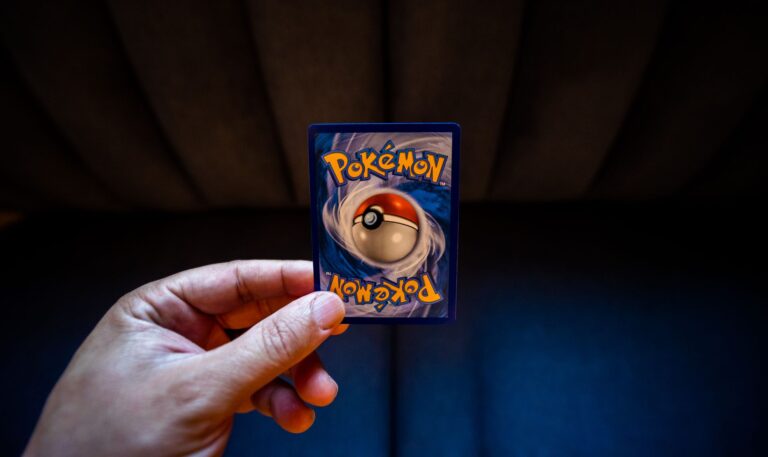
Sealed Pokémon packs from 1999 keep breaking auction records because they sit at the intersection of extreme scarcity, deep nostalgia, and a collector market that has matured into something resembling fine art or rare coins. The original Base Set, printed during Wizards of the Coast’s first English-language run, was produced in quantities that seemed enormous at the time but have dwindled to almost nothing in sealed condition over the past quarter century. A first edition Base Set booster box, for instance, has historically commanded six-figure sums at major auction houses like Heritage Auctions, with individual sealed packs — particularly those featuring the Charizard artwork on the wrapper — fetching thousands of dollars on their own.
The simple math is brutal: millions of packs were opened by kids in the late 1990s, and the tiny fraction that survived unopened are now treated as time capsules by a global collector base with real purchasing power. This article breaks down the specific forces driving these prices, from the grading and authentication ecosystem that has legitimized sealed product as an asset class, to the psychology of nostalgia that turns thirty-somethings into aggressive bidders. We will also look at the differences between print runs, why certain artwork variants matter more than others, the risks of fakes and reseals, and whether this market has any ceiling left.
Table of Contents
- What Makes 1999 Sealed Pokémon Packs So Valuable at Auction?
- How Print Runs and Wrapper Art Affect Record-Breaking Prices
- The Role of Grading and Authentication in Sealed Pack Values
- Should You Buy Sealed 1999 Packs or Graded Singles Instead?
- The Reseal and Counterfeit Problem in Vintage Sealed Product
- The Nostalgia Economy and Who Is Actually Buying
- Is There a Ceiling for 1999 Sealed Pack Prices?
- Conclusion
- Frequently Asked Questions
What Makes 1999 Sealed Pokémon Packs So Valuable at Auction?
The core driver is irreplaceable scarcity combined with cultural significance. The 1999 Base Set was the first Pokémon TCG product released in English, and it arrived during a cultural phenomenon that had kids lining up at toy stores and pharmacies alike. First edition prints — identifiable by a small stamp on the card face — had a notably shorter run than the unlimited version that followed. Once a pack is opened, it ceases to exist as a sealed collectible. Every year, the surviving sealed population shrinks further as collectors crack packs for grading, lose them to water damage, or simply forget about them in attics.
Unlike cards, which can be reprinted or exist in large graded populations, a sealed 1999 pack is a finite, non-renewable resource. The comparison to other collectible markets is instructive. Sealed vintage video games saw a similar price explosion when grading services like WATA entered the scene, though that market later faced scrutiny over potential conflicts of interest. Sealed Pokémon product has proven more resilient partly because the underlying card market provides a floor — a sealed pack always contains cards with independent, verifiable value. A 1999 first edition pack theoretically contains a chance at a first edition Charizard, which alone has sold for six figures in PSA 10 condition. That embedded lottery ticket element gives sealed packs a speculative premium that a sealed copy of a video game simply cannot match.

How Print Runs and Wrapper Art Affect Record-Breaking Prices
Not all 1999 sealed packs are created equal, and understanding the hierarchy is essential before spending serious money. First edition Base Set packs command the highest premiums, followed by Base Set unlimited packs, and then the Base Set 2 reprint from 2000, which most serious collectors do not consider part of the original run at all. Within the first edition category, the three wrapper art variants — featuring Charizard, Blastoise, or venusaur — trade at different prices. The Charizard artwork pack has historically carried a premium of roughly twenty to forty percent over the other two, driven purely by the popularity of the character and the possibility that the pack contains the card everyone wants.
However, if you are collecting for long-term value rather than speculation, the Venusaur and Blastoise art packs may represent better relative value. They contain the same card pool and the same odds of pulling a Charizard, yet they trade at a discount simply because of the wrapper art. this is one of those market inefficiencies that seasoned collectors watch for. It is worth noting that some auction houses and grading services have begun weighing sealed packs, since heavier packs were once believed to have a higher likelihood of containing holofoil rares. Whether or not this correlation holds up statistically is debated, but “heavy” packs routinely sell for more than “light” ones of the same variant.
The Role of Grading and Authentication in Sealed Pack Values
The emergence of sealed product grading has been one of the single biggest catalysts for price increases. Companies like cgc and, to a lesser extent, PSA have developed encapsulation services for sealed packs, assigning condition grades based on wrapper integrity, seal quality, and overall presentation. A 1999 first edition pack graded at a high level and encapsulated in a tamper-evident case is treated fundamentally differently by the market than a raw, ungraded pack sitting in a plastic bag. The graded slab provides assurance against resealing — a persistent and serious concern in this market — and allows the pack to be displayed, insured, and resold with confidence.
For example, Heritage Auctions has repeatedly highlighted graded sealed packs in their trading card events, positioning them alongside graded cards as legitimate lots rather than curiosities. This institutional endorsement matters. When a major auction house treats a sealed pack as worthy of a catalog description, professional photography, and a dedicated lot number, it signals to wealthy collectors and investors that this is a real asset class. The result is that graded sealed packs from 1999 have appreciated at rates that often exceed even the best individual card sales from the same era.
Should You Buy Sealed 1999 Packs or Graded Singles Instead?
This is the practical question every collector with a budget eventually faces, and the answer depends on your goals. Sealed packs offer a unique combination of display appeal, scarcity narrative, and speculative upside — you own not just cardboard but the possibility of what is inside. Graded singles, by contrast, offer certainty: you know exactly what you have, and the market for high-grade Base Set holos is deep and liquid. A PSA 10 first edition Charizard is arguably the most recognizable collectible card in the world, and its resale market reflects that. The tradeoff is straightforward.
Sealed packs are less liquid — selling one requires finding a buyer willing to pay a premium for the sealed format, and the buyer pool is smaller than for individual cards. They are also harder to authenticate without professional encapsulation, which adds cost. On the other hand, sealed packs have historically shown stronger percentage gains during bull markets because they appeal to a crossover audience that includes investors, nostalgia buyers, and speculators who might never buy a single graded card. If you are building a collection for personal enjoyment and long-term holding, a graded sealed pack is arguably the most visually striking item you can own from the original era. If you need liquidity and price transparency, stick with graded singles.
The Reseal and Counterfeit Problem in Vintage Sealed Product
The biggest practical risk in the sealed pack market is fakes, and it is a risk that scales directly with price. As 1999 sealed packs have climbed into the thousands of dollars per unit, the financial incentive to reseal packs with worthless cards inside has become enormous. Reseal methods have grown sophisticated — some involve carefully opening the crimped edges, replacing the contents, and resealing with heat tools that can fool casual inspection. Others use entirely counterfeit wrappers printed to mimic the original Wizards of the Coast packaging. This is why third-party grading has become almost mandatory for high-value transactions.
A reputable grading company will examine seal integrity, wrapper printing quality, and other markers before encapsulating the product. But even grading is not a perfect safeguard. Collectors should be cautious of packs sold raw at prices that seem slightly below market — that discount often exists for a reason. Buying from established auction houses with return policies and authentication guarantees is strongly advisable for any purchase above a few hundred dollars. If you are buying privately, request detailed photographs of the seal, the wrapper texture, and any identifying marks, and compare them against known authentic examples.
The Nostalgia Economy and Who Is Actually Buying
The typical buyer of a sealed 1999 Pokémon pack is not a child of the current generation. It is someone who was between six and fourteen years old when Pokémon first arrived in the West, who remembers tearing open packs at the kitchen table, and who now has the disposable income to recapture that feeling — or at least to own a physical symbol of it. This demographic, roughly in their early thirties to early forties, is at peak earning years, and the Pokémon brand has never lost cultural relevance.
The ongoing release of new games, anime series, and card sets keeps the franchise visible, which in turn keeps the nostalgia pipeline fed. What makes this market different from, say, vintage baseball cards is the truly global demand. Pokémon is one of the highest-grossing media franchises in human history, with deep roots in North America, Europe, Japan, and Australia. A sealed English Base Set pack is desirable to collectors on multiple continents, which creates bidding competition that purely domestic collectibles cannot match.
Is There a Ceiling for 1999 Sealed Pack Prices?
Predicting a ceiling for any collectible market is a fool’s errand, but there are structural factors worth considering. The supply of sealed 1999 packs will never increase — it can only decrease as packs are opened, lost, or destroyed. Demand, meanwhile, is tied to the cultural staying power of Pokémon and the wealth of the core demographic. As long as both hold, prices have fundamental support.
The risk scenario is a broader collapse in collectible sentiment, something that has happened before in markets like Beanie Babies and comic books, though Pokémon’s diversified global appeal offers more insulation than those categories ever had. Looking forward, the most likely trajectory is continued appreciation punctuated by occasional corrections during economic downturns. The collector base is aging into its wealthiest years, institutional auction houses continue to invest in the category, and no competing product from the same era has the same combination of brand recognition and scarcity. Whether individual packs reach specific price thresholds is impossible to say, but the underlying dynamics remain favorable for holders.
Conclusion
Sealed Pokémon packs from 1999 keep breaking records because they represent the rarest possible format of the most popular collectible card game ever produced, held by a generation now wealthy enough to compete aggressively at auction. Scarcity is permanent and worsening. Authentication and grading have removed much of the risk that previously kept institutional money away.
And the global nature of Pokémon fandom means the buyer pool is larger and more competitive than almost any other collectible category. For collectors considering entering this market, the priorities are clear: buy only authenticated or professionally graded product, understand the hierarchy of print runs and wrapper variants, and be realistic about liquidity. Sealed packs are not a quick flip — they are a long-term hold in a market that rewards patience and punishes carelessness. Do your homework on authentication, buy from reputable sources, and treat any sealed 1999 pack as what it is: a piece of cultural history that happens to also be a compelling collectible asset.
Frequently Asked Questions
How can I tell if a 1999 Pokémon pack is first edition or unlimited?
First edition packs feature a small “Edition 1” logo printed on the wrapper itself, typically visible near the bottom left of the pack art. Unlimited packs lack this stamp entirely. The distinction also appears on the cards inside, but for sealed product, the wrapper logo is the key identifier.
Are “heavy” sealed packs really more likely to contain a holofoil card?
The theory is that holofoil cards weigh slightly more than non-holo rares due to the foil layer, making packs containing them marginally heavier. While many collectors and sellers use this as a selling point, the actual weight difference is extremely small, and not all heavy packs guarantee a holo pull. Treat weight claims with skepticism, especially if a seller is charging a significant premium for it.
Is it worth buying a sealed unlimited Base Set pack, or only first edition?
Unlimited Base Set packs are significantly more affordable than first edition and still carry substantial collector appeal. They contain the same card designs and are from the same 1999 era. For collectors who want to own sealed vintage product without spending five figures, unlimited packs offer a genuine entry point with their own appreciation history.
What is the best way to store a sealed Pokémon pack long-term?
If ungraded, store the pack in a snug-fitting acrylic case or a pack-specific magnetic holder, kept in a cool, dry environment away from direct sunlight. Humidity and UV exposure degrade wrapper ink and seal integrity over time. If graded and encapsulated, the slab itself provides protection, but the same environmental guidelines apply.
Should I open a sealed 1999 pack?
From a pure financial standpoint, no. The sealed pack is almost always worth more than the expected value of the cards inside, even accounting for the small chance of a high-grade Charizard. Opening the pack destroys the sealed premium permanently. That said, collecting is personal, and some people derive genuine joy from the experience of opening vintage product — just go in understanding the math.