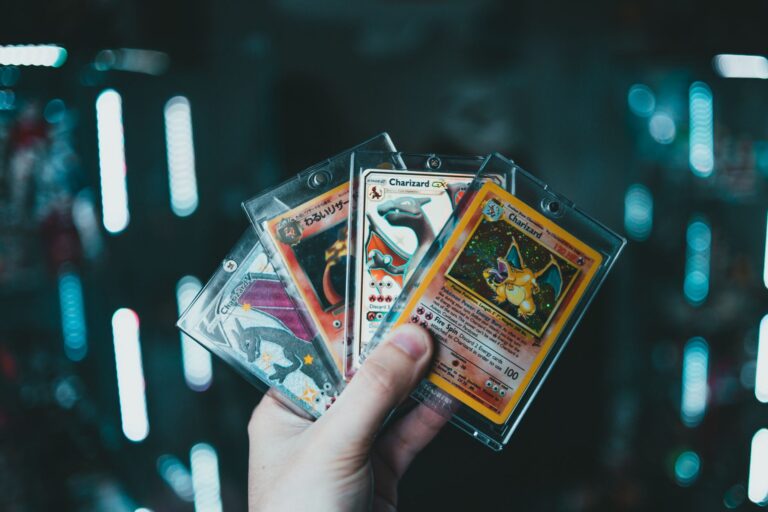
If the collector number printed on a Pokémon card conflicts with its slab label, treat the mismatch as a serious identification problem. Do not ignore it, but do not assume the card or slab is fake before checking the details. A slab is the sealed plastic holder used by a grading company. Its label should identify the enclosed card accurately, because collectors use that identification when judging authenticity, grade, and value.
Table of Contents
- Confirm That the Numbers Really Conflict
- What Could Cause the Mismatch?
- Why the Error Affects Value and Trust
- Verify the Slab Before Buying or Selling
- Preserve Evidence and Request Correction
Confirm That the Numbers Really Conflict
First, distinguish the card's collector number from the slab's certification number. The collector number appears on the card, often in a format such as "4/102," while the certification number identifies the grading submission. Labels sometimes shorten a collector number.
A label showing "4" may correspond correctly to a card marked "4/102." Promotional cards may use codes such as "SWSH020," and some Japanese or special-set cards follow other numbering formats. Compare the card and label across every identifying field: A matching card number does not prove the entire label is correct. Two versions can share similar artwork while differing in language, finish, stamp, or edition.
- Pokémon name and card number
- Set name and release period
- Language
- Holofoil, reverse-holo, or non-holo treatment
- First Edition, promotional, stamped, or other variant
What Could Cause the Mismatch?
A grading company may have entered the wrong card number or selected the wrong set during labeling. In that situation, the grade could still reflect the enclosed card's condition, but the holder identifies it incorrectly. The card may also have been confused with a closely related printing.
This is especially plausible when sets reuse artwork, regional releases use different numbering, or a subtle foil or stamp distinguishes one version from another. More concerning possibilities include a counterfeit holder, an altered label, or a slab that has been opened and resealed around a different card. A number mismatch alone does not establish tampering, so inspect the holder and verify the certification before reaching that conclusion.
Why the Error Affects Value and Trust
Prices for graded cards depend on the exact printing as well as the numerical grade. If the label names a rarer version than the enclosed card, comparable sales for that label can substantially overstate the card's likely value. The reverse can also happen.
A valuable card placed behind an incorrect lower-value label may be underpriced, but buyers may still discount it because they cannot rely on the holder's identification. Marketplaces, dealers, and future buyers may treat the slab as incorrectly described even when the card is genuine. Selling it under the label's identity without clearly disclosing the conflict could create a return or dispute.
Verify the Slab Before Buying or Selling
Look up the certification number through the grading company's official verification service, if available. Compare the database entry with both the physical label and the enclosed card; each result points to a different problem.
Check any verification image only as supporting evidence. Lighting, image quality, database omissions, and cards with similar fronts can limit what an archived photograph proves.
- Database matches the label, not the card: investigate misidentification, tampering, or a counterfeit holder.
- Database matches the card, not the label: a label production error is more likely.
- Database matches neither: stop the transaction until the grading company explains the record.
- No record appears: confirm the number carefully and contact the grader rather than assuming one cause.
Preserve Evidence and Request Correction
Do not crack the slab, peel its label, or attempt a repair. Those actions can destroy useful evidence, remove the card from the grader's guarantee process, or make later authentication harder. Photograph the card's front and back, the entire label, certification number, barcode or code, and all holder seams. Save the sales listing, receipt, messages, and packaging if the slab was recently purchased.
Contact the grading company and describe the exact conflict. Ask whether it requires a label correction, mechanical-error submission, reholdering, or a new grading submission, since procedures and costs can vary. If a purchase is still within its return window, notify the seller or marketplace promptly. Do not let a grading-company inquiry cause you to miss a buyer-protection deadline.