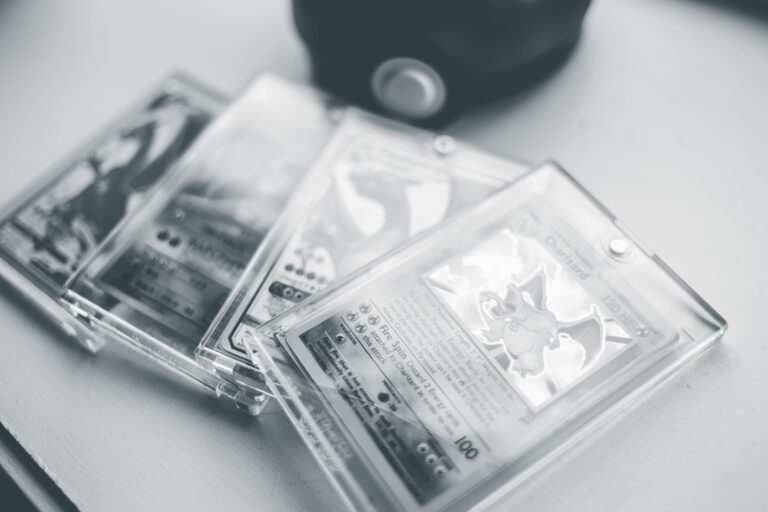
Perform an annual photo audit of every valuable Pokémon slab to catch physical damage and incomplete records. A slab is a graded card sealed in a rigid holder, and yearly comparison photos can reveal changes that memory misses. Use the same lighting, angles, and file labels each year. The audit will not prove when damage occurred or whether a grade should change, but it creates useful evidence for storage, insurance, and sales decisions.
Table of Contents
- Build a Repeatable Photo Record
- What Damage Should You Look For?
- Find Record Gaps While the Slab Is in Hand
- Compare This Year With the Baseline
- Act on Problems Without Making Them Worse
Build a Repeatable Photo Record
Photograph the slab's front, back, label, and all four edges. Add close-ups of existing scratches, cracks, card flaws, label problems, or debris inside the holder. Keep the setup consistent so differences mean something. Use a clean background, indirect light, a fixed camera position, and the same slab orientation.
Include one angled image to expose surface scratches and glare-sensitive flaws. Name files with the certification number, card identity, and audit year. For example: `12345678_Charizard-front_2026.jpg`. Keep original files instead of relying only on compressed marketplace images.
What Damage Should You Look For?
separate holder damage from possible card damage. A scuffed case may affect presentation without changing the card, while moisture, movement, or a growing internal flaw deserves closer attention.
Check for: Lighting can create false alarms. A reflection may resemble a crease, and dust outside the holder may look internal. Clean only the exterior with a suitable soft cloth, then photograph the area again from several angles.
- New cracks, chips, deep scratches, or separated holder edges
- Label fading, shifting, staining, or information that no longer reads clearly
- Card movement or a changed position inside the holder
- New bends, discoloration, spots, surface haze, or edge damage
- Debris or residue that appears different from the previous photographs
Find Record Gaps While the Slab Is in Hand
Match each photographed slab to its collection record. Confirm that the grader, certification number, card name, set, card number, language, stated grade, and any qualifiers agree with the label.
Add practical ownership details when known: Do not invent missing values. Mark them as unknown and note what evidence might resolve them. A blank field is safer than a confident but unsupported purchase date or cost basis.
- Acquisition date and source
- Purchase price and related fees
- Current storage location
- Receipt, invoice, or trade documentation
- Previous audit date
Compare This Year With the Baseline
Compare matching views side by side at similar magnification. Look for changes in shape, color, position, and surface condition rather than judging from memory. If something appears different, check the original full-resolution files. Compare more than one angle and inspect the slab under neutral light.
Differences in exposure, white balance, focus, or camera distance can make an unchanged card look altered. Photos document appearance, not cause. They cannot establish exactly when a crack formed, confirm authenticity, or replace an in-person condition review. Treat an apparent change as a reason to investigate, not automatic proof of damage or tampering.
Act on Problems Without Making Them Worse
Stop stacking or transporting a slab if you find a serious crack, moisture concern, loose card, or exposed edge. Place it in a clean protective sleeve, keep it away from heat and humidity, and avoid pressing, gluing, polishing, or opening the holder. Record the issue immediately with close-ups and a written note.
Preserve earlier photographs, purchase documents, and packaging. If reholdering, insurance, or a return may apply, review the relevant company's current requirements before changing the slab or discarding materials. Back up the completed audit in two separate locations. Restrict public copies if file names or images expose personal details, storage information, receipts, or other records unrelated to the card.