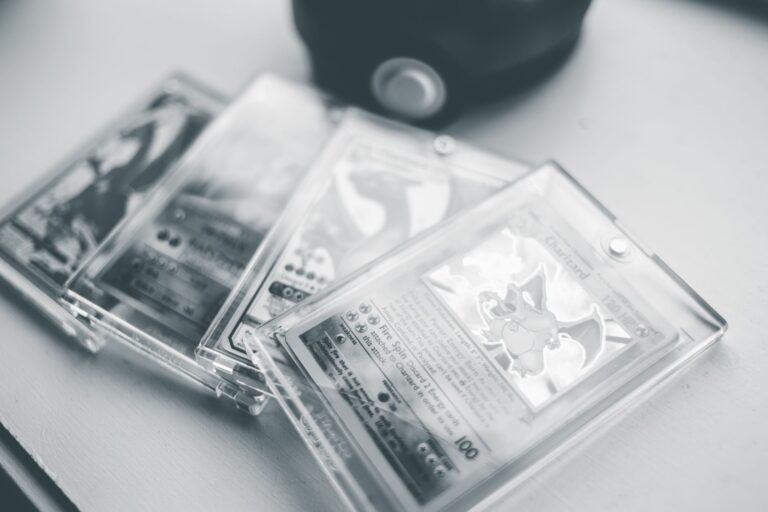
A marketplace authentication sticker on a Pokémon slab does not prove the sticker is genuine, the holder is untouched, or the card and grade are authentic. It also does not prove that a later listing or off-platform sale received a new marketplace inspection. A slab is the sealed plastic holder used for a graded card.
No primary source in the available evidence documents counterfeit eBay Authenticity Guarantee stickers specifically on Pokémon slabs. The closest documented case is a 2026 federal conviction involving counterfeit PSA grades on Pokémon cards sold through online marketplaces, according to the U.S. Department of Justice.
Table of Contents
- What an eBay authentication sticker represents
- Why a sticker cannot authenticate a later transaction
- A valid PSA number is not enough
- Separate the four questions before buying
- What to do with a suspected counterfeit slab
What an eBay authentication sticker represents
For an eligible purchase, eBay sends the item to a third-party authenticator. That authenticator checks whether the card is authentic and matches the specific listing before forwarding it to the buyer. eBay identifies PSA as its official trading-card authenticator. However, the eBay program explicitly excludes grading and re-grading.
Passing marketplace authentication therefore does not independently confirm that the numerical grade is correct. The intact sticker also serves as a return-condition control. eBay requires it for an eligible return and can deny the return if it has been removed or tampered with. That function does not turn the sticker into a permanent certificate for every future sale.
Why a sticker cannot authenticate a later transaction
marketplace authentication applies to a particular item, listing, and transaction. A sticker displayed months later cannot establish that the current seller, photographs, listing terms, or delivery route received the same review. This matters in local and off-platform deals.
eBay says local-pickup and in-store-pickup trading-card listings are not covered by its program. A sticker shown during such a sale may relate to an earlier transaction, but it does not document a new eBay inspection. Ask for the original order and listing if the seller relies on the sticker as evidence. compare those records with the card being offered, while recognizing that transaction history still cannot rule out later holder or label tampering.
A valid PSA number is not enough
A PSA certification-number lookup is useful, but it is not conclusive. PSA warns that counterfeiters can copy real numbers from public sources and place them on counterfeit grading inserts. Its database also does not verify that an online listing actually shows the genuine item associated with that number, as explained on the PSA certification lookup page.
PSA also warns about altered holders and labels, including counterfeit material added to a real label and tampered holders that have been resealed. Certification status alone does not resolve those problems. Treat the number as one consistency check. It can reveal an obvious mismatch, but a matching result cannot establish that the physical slab, label, and enclosed card are genuine.
Separate the four questions before buying
A seller may present the sticker, certification number, slab, and card as one package of proof. They actually answer different questions, and none substitutes for the others.
If the sale is still within an eligible eBay return process, do not remove or disturb the sticker while investigating. Its condition can determine whether eBay accepts the return.
- Transaction: Can the seller document the original authenticated eBay purchase?
- Sticker: Is there any reason to believe it was altered or applied outside that transaction?
- Slab: Do the holder and label show unexplained damage, resealing, or modification?
- Certification: Does the PSA lookup match the card and stated grade, without treating that match as final proof?
What to do with a suspected counterfeit slab
Stop treating the sticker or certification lookup as sufficient evidence. Preserve the listing, payment records, seller messages, photographs, packaging, and the slab's current condition.
PSA directs owners of suspected counterfeit slabs to submit a free Quality Assurance Request for item verification. If PSA determines that the item is counterfeit, it says it will connect the owner with authorities through its Quality Assurance process.