Pokémon cards can become more accepted as alternative collectibles through institutional validation, standardized grading systems, transparent market data, and integration into established investment frameworks. The shift is already underway—major auction houses like Heritage Auctions now handle Pokémon sales, third-party graders like PSA and Beckett have legitimized card authentication, and data platforms track price movements with increasing sophistication. However, mainstream acceptance as a serious alternative asset class requires overcoming volatility concerns, educating institutional investors about the market’s fundamentals, and establishing clearer tax and regulatory guidelines.
The path to broader acceptance mirrors what happened with sneakers, fine wine, and vintage trading cards: what started as niche hobby collecting gradually gained credibility through professionalization of the market infrastructure. A 1999 Holographic Charizard that sold for $5,000 in 2020 now regularly exceeds $100,000 at auction, attracting attention from wealth managers and diversification-focused investors. But for Pokémon cards to achieve the legitimacy of established alternative assets, the community and market participants must address ongoing challenges around authentication fraud, market manipulation, and the speculative trading that has historically undermined the hobby’s credibility.
Table of Contents
- What Makes Pokémon Cards Eligible as Alternative Investments?
- The Role of Grading and Authentication in Legitimacy
- Market Transparency and Price Discovery Mechanisms
- Building Institutional Recognition and Investment Frameworks
- Addressing Speculative Trading and Market Manipulation Concerns
- Comparison to Established Alternative Collectibles and Their Path to Legitimacy
- Regulatory Framework and Tax Implications for Legitimacy
- Conclusion
- Frequently Asked Questions
What Makes Pokémon Cards Eligible as Alternative Investments?
Pokémon cards possess several characteristics that position them for alternative asset classification alongside fine art, watches, and collectible memorabilia. They have a documented history spanning over 25 years, limited supply for vintage cards, grading verification systems, active secondary markets with transparent pricing, and demonstrated appreciation in value. Unlike purely speculative assets, the most sought-after Pokémon cards have tangible rarity—a first-edition base set Shadowless Charizard exists in perhaps a few hundred high-grade copies worldwide, creating natural scarcity that drives valuation.
Comparison to other alternative assets reveals Pokémon cards’ unique position: they require minimal storage and insurance costs compared to fine art or vehicles, they have lower barriers to entry for beginner collectors, and they’ve shown resilience during market downturns. During 2022-2023 when tech stocks and crypto crashed, some Pokémon card categories maintained or increased in value, suggesting they operate somewhat independently from traditional markets. However, a critical limitation is that Pokémon cards lack the institutional regulation that governs fine art markets or precious metals—no futures markets, no standardized valuation indices, and no universally accepted benchmarks for comparing cards across different grading services.

The Role of Grading and Authentication in Legitimacy
Third-party grading companies like PSA, Beckett, CGC, and SGC have become essential infrastructure for Pokémon card acceptance as alternative collectibles. These services assign numerical grades on a 1-10 scale, seal cards in tamper-evident slabs, and maintain population records that track how many cards at each grade level exist. A PSA 10 (Gem Mint) Pokémon card commands exponentially higher prices than a PSA 8 (Mint), sometimes differing by 5-10x in value depending on the card. This standardization allows buyers and sellers globally to negotiate prices with confidence, similar to how diamond clarity and cut grades enable the jewels market.
The grading infrastructure has enabled institutional participation—investment firms now reference grade distributions when acquiring cards, insurance companies have developed specialized coverage for slabbed collections, and auction houses rely on consistent grading standards to guarantee authenticity. A significant warning, however: authentication fraud and counterfeiting remain persistent threats. Fake PSA slabs have circulated, counterfeit cards are becoming increasingly sophisticated, and the grading services themselves have faced controversy over inconsistent grading standards over time. PSA’s grading criteria have shifted across decades, meaning a card graded PSA 8 in 2010 might receive a PSA 7 under today’s standards, complicating historical comparisons and potentially undermining the stability that collectors and investors need.
Market Transparency and Price Discovery Mechanisms
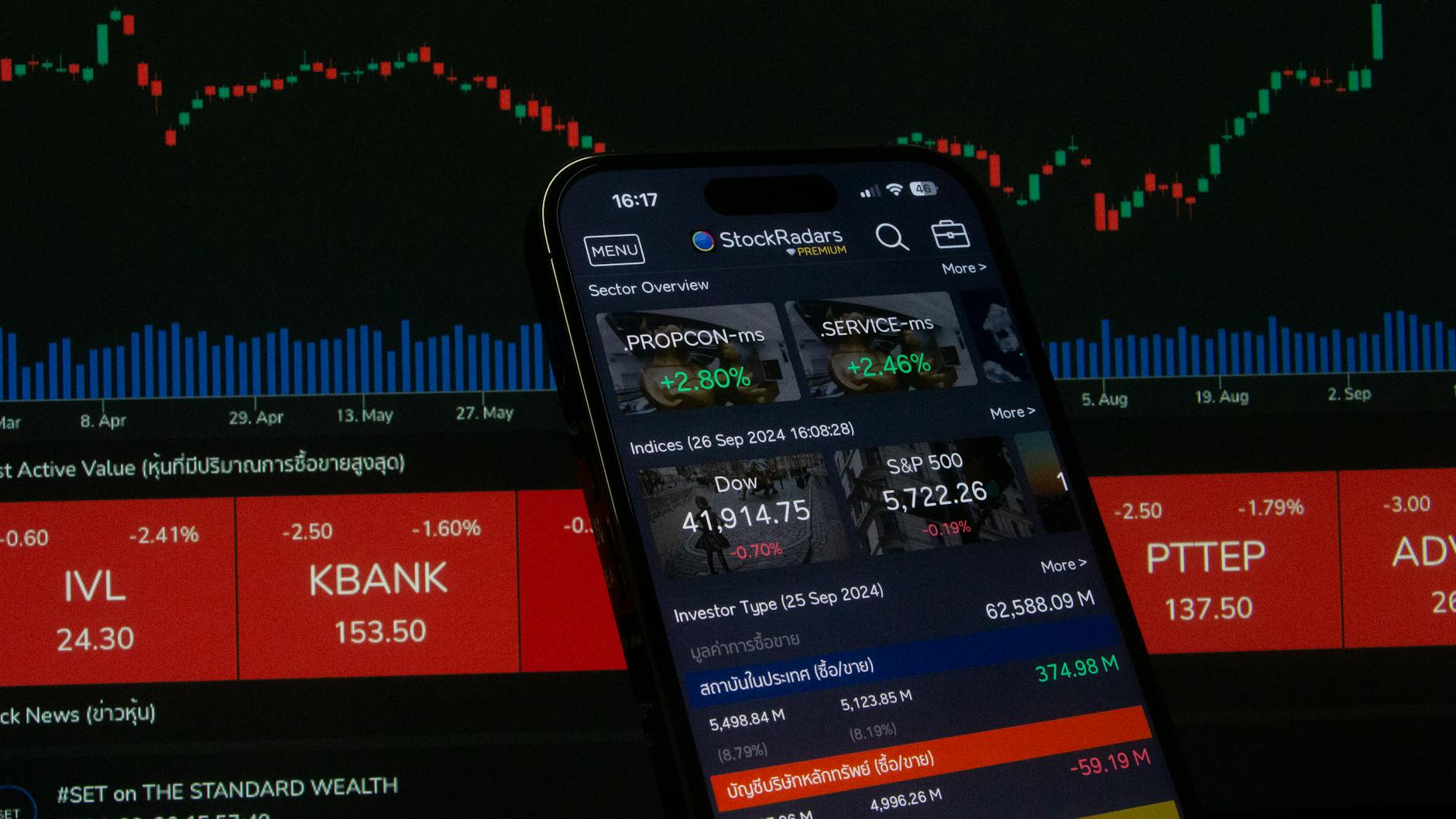
For Pokémon cards to gain acceptance as legitimate alternative collectibles, buyers need reliable price data and transparent market records. Platforms like the price guide, TCGPlayer, and specialized auction tracking services have emerged to aggregate sales data and establish pricing benchmarks. When a specific card sells at auction, that transaction is publicly recorded and contributes to a growing historical database that collectors can reference. This transparency differs sharply from the Pokémon card market of the 1990s, when sales were often private and undocumented, creating information asymmetries that favored dealers over ordinary collectors.
The availability of market data has democratized price discovery—a collector can now look up the average sale price of a specific card in a specific grade and make informed offers based on comparable sales. For example, tracking 2024 sales of PSA 9 Base Set Machamp cards reveals consistent pricing around $8,000-$12,000, with seasonal variation predictable enough to inform buying and selling decisions. A limitation to this transparency is that not all high-value sales are recorded publicly—private collections and direct dealer transactions often remain undisclosed, meaning the visible market data may underrepresent top-tier transactions. Additionally, trading volume on some cards remains thin, allowing individual large sales to temporarily distort price trends without representing true market consensus.
Building Institutional Recognition and Investment Frameworks
Institutional acceptance of Pokémon cards as alternative collectibles depends on portfolio managers incorporating them into diversification strategies. Some wealth management firms now offer Pokémon card portfolios or allow inclusion in diversified alternative asset accounts, treating them similarly to fine art or rare books. This represents a meaningful shift from perception of Pokémon cards as children’s toys to recognition as tangible assets with historical performance data and rarity attributes that merit serious consideration.
One practical framework emerging is the classification of Pokémon cards by investment tier: Blue-chip cards (iconic, high-demand first-edition Holographics from Base Set) are increasingly viewed as holdings similar to blue-chip art; mid-tier rare cards function like secondary alternative investments; and newer or common cards serve the hobby collector market primarily. Institutions benefit from this stratification because it allows risk-appropriate allocation—a conservative portfolio might hold only Blue-chip cards, while higher-risk allocations might include speculative modern cards. A tradeoff to consider is that institutional money flows can inflate prices artificially, as happened in 2020-2021 when retail trading platforms drove a speculative bubble. When institutions later exit positions, price corrections can be severe, potentially harming smaller collectors and undermining the credibility that institutional participation was meant to establish.
Addressing Speculative Trading and Market Manipulation Concerns
Legitimate alternative assets require protection against market manipulation, price volatility driven by speculation rather than fundamentals, and artificial scarcity created through artificial withholding. The Pokémon card market has historically struggled with all three. The 2020-2021 boom saw retail investors and social media hype drive prices of common cards far beyond any rational basis, flooding the market with sealed booster boxes as “investments.” When the bubble corrected, many retail investors lost substantial capital, and the incident reinforced skepticism about whether Pokémon cards could ever be trusted as a serious asset class.
Ongoing concerns include the practice of buying sealed booster cases and sitting on them, artificially reducing the supply of currently available product, and the potential for pump-and-dump schemes where coordinated actors artificially inflate interest in obscure cards before dumping positions at inflated prices. The distributed and international nature of the Pokémon card market makes regulation difficult—there’s no centralized exchange comparable to a stock market, making surveillance of manipulation harder. A critical warning: individual collectors participating in modern Pokémon card buying should recognize that recent vintage cards (2020-2023 sealed products) are primarily speculative rather than established collectibles, and prices could correct sharply if market sentiment shifts or the investment narrative changes.

Comparison to Established Alternative Collectibles and Their Path to Legitimacy
The trajectory of wine as an alternative investment offers relevant lessons for Pokémon cards. Fine wines spent decades treated as hobby items before being accepted into investment portfolios—what changed was the emergence of professional trading platforms, standardized rating systems, insurance infrastructure, and most importantly, decades of price data demonstrating consistent appreciation independent of economic cycles. Pokémon cards are following a similar path, albeit compressed into a shorter timeframe due to modern internet connectivity and global trading platforms.
Fine art faced different obstacles but eventually reached legitimacy through auction house standardization, authentication expertise, and market transparency from comparable sales databases. The parallel institutions exist for Pokémon cards now—Heritage Auctions handles high-value sales, third-party graders provide authentication, and databases track prices. One key difference, however: fine art has centuries of historical demand and cultural significance that Pokémon cards are still developing. This means Pokémon card valuations remain somewhat more vulnerable to trend cycles and generational preferences shifting if younger collectors eventually lose interest in the hobby entirely.
Regulatory Framework and Tax Implications for Legitimacy
For Pokémon cards to achieve true alternative asset status comparable to stocks or real estate, regulatory clarity and tax treatment must stabilize. Currently, the IRS and tax authorities in most countries treat Pokémon card collections as personal property or collectibles, with capital gains taxed as ordinary income rather than long-term asset appreciation. This creates a disadvantage compared to investments in stocks (which benefit from lower long-term capital gains rates) or real estate (which allows depreciation deductions).
As more institutional investors and high-net-worth individuals hold Pokémon cards, pressure will likely increase for clearer tax guidance and potentially more favorable treatment that encourages legitimate long-term collecting. Looking forward, the legitimacy of Pokémon cards as alternative collectibles will ultimately depend on whether the market matures beyond hype-driven cycles into a stable system where prices reflect scarcity, historical demand, and fundamental appeal rather than speculative fervor. The infrastructure is largely in place—grading, trading platforms, price data, and some institutional participation already exist. What remains is cultural acceptance among mainstream wealth managers and investors, regulatory frameworks that treat cards consistently, and most importantly, a sustained collector base that continues valuing Pokémon cards for reasons beyond investment speculation.
Conclusion
Pokémon cards are becoming accepted as alternative collectibles through a combination of market infrastructure development, third-party authentication, price transparency, and gradual institutional participation. The path to legitimacy is clear and partially complete—grading standards exist, auction records are public, portfolio managers are beginning to offer Pokémon card holdings, and the historical price appreciation data demonstrates real value creation.
However, this acceptance remains conditional on the community addressing speculative excess, maintaining authentication standards, and building durable collector demand independent of investment hype. For collectors and potential investors, the key distinction is between Blue-chip vintage cards, which have strong credentials as alternative assets, and speculative modern products or common cards, which remain highly volatile. As regulatory frameworks develop and institutional infrastructure continues maturing, Pokémon cards will likely achieve broader acceptance alongside established alternatives like wine, watches, and fine art—but this legitimacy will be earned through professional market practices rather than bestowed by hype.
Frequently Asked Questions
What percentage of Pokémon card value comes from authenticity versus rarity?
Authenticity is a prerequisite—a counterfeit or damaged card has essentially zero value regardless of rarity. Among authenticated cards, rarity drives 60-70% of the price variance, with card condition (grade) accounting for most of the remaining price spread. Iconic status and cultural significance within the Pokémon franchise add additional premiums to certain cards like the Charizard.
How do Pokémon cards compare to cryptocurrency as alternative investments?
Pokémon cards have tangible physical form, established grading infrastructure, and decades of collector demand, making them more stable than most cryptocurrencies. Unlike crypto, Pokémon cards have no network effects or technological dependency—their value rests on scarcity and collector interest. This makes them less volatile than crypto but also potentially less liquid, since trading volumes vary by card type.
Is buying sealed Pokémon booster boxes a good investment strategy?
Modern sealed products are inherently speculative rather than established investments. Historical data shows that sealed boxes often decline in value within 2-5 years as supply increases or market interest shifts. Only vintage sealed products (pre-2000) have demonstrated consistent appreciation, and those now cost tens of thousands of dollars per box.
How does the Pokémon card market differ from the stock market in terms of regulation?
The Pokémon card secondary market is largely unregulated—there are no listing standards, no insider trading protections, and limited oversight of pump-and-dump schemes. This creates lower barriers to entry but also higher fraud risk compared to regulated securities markets. Institutions participating must conduct their own due diligence on authenticity and market practices.
What factors could derail Pokémon cards’ acceptance as alternative collectibles?
A major authentication fraud scandal would undermine confidence, severe price corrections could deter institutional participation, or generational loss of interest in Pokémon culture could reduce demand. Additionally, The Pokémon Company could introduce devaluing products or market actions that flood supply, similar to what happened with other trading card games.
How should a collector balance hobby enjoyment with investment potential?
The healthiest approach treats appreciation as secondary to collection purpose—buy cards you genuinely value and enjoy, ensure proper grading and storage, and any price appreciation becomes a bonus rather than the primary goal. Collectors who buy primarily for investment often exit at the wrong time due to emotional decisions, whereas long-term collectors tend to make more rational decisions about when to sell.