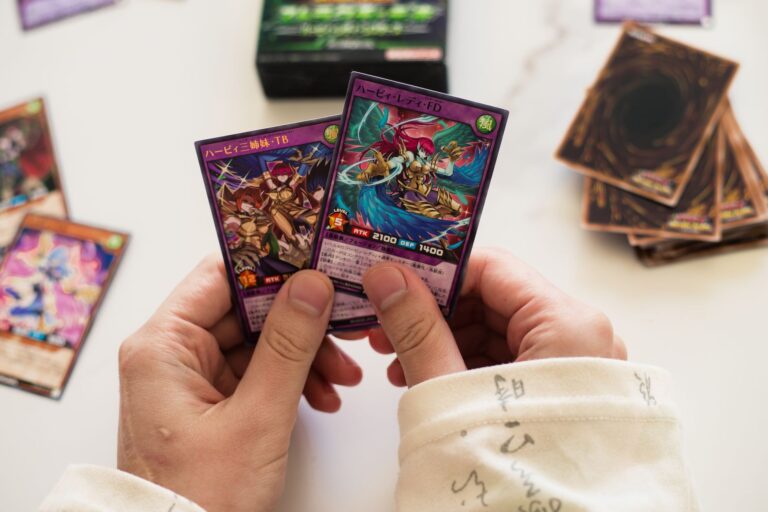
Pokémon has become a remarkably powerful SEO topic in 2026 because it combines massive, sustained search volume with multiple high-intent commercial opportunities and time-sensitive content events. The franchise’s 30th anniversary, paired with consistent strong search interest in trading cards, TCG releases, and new video game launches, creates a unique convergence of evergreen demand and event-driven traffic spikes. For a Pokémon card pricing and collecting website, this means there are more qualified visitors searching for information than ever before—and they’re actively spending money on products, making SEO investment directly translatable to revenue. The numbers tell the story clearly.
Search volume for “Pokémon trading cards” peaked at 99 in December 2025 and remained elevated throughout early 2026, while “Pokémon TCG Base Set” hit peak search volume of 100 in February 2026. Booster packs, storage solutions, and specific card sets generate consistent six-figure monthly search volumes. Unlike many pop culture topics that spike and fade, Pokémon maintains baseline interest while building on it with scheduled product releases, format changes, and major franchise events. This gives content creators a rare advantage: you can build foundational SEO content around evergreen topics, then layer in timely pieces around specific release dates and announcements.
Table of Contents
- Why Search Volume for Pokémon Trading Cards Continues to Grow in 2026
- Market Growth Driven by the 30th Anniversary and January 2026 Market Expansion
- Event-Driven Content Opportunities Throughout 2026 and Beyond
- Building Content Strategy Around Scheduled Releases and Franchise Events
- Competition and the Importance of Accuracy in a High-Volume Market
- The Storage and Accessory Market as Underutilized SEO Content
- Long-Term Franchise Stability and Future SEO Value
- Conclusion
Why Search Volume for Pokémon Trading Cards Continues to Grow in 2026
The trading card market is driving the bulk of pokémon search interest, and it’s growing rather than declining as many might expect in a mature market. “Pokémon trading cards” maintained search volumes consistently above 70 throughout early 2026, with regular spikes around announcement dates and release windows. This isn’t nostalgia traffic from casual fans—it’s buyer intent. People are searching for specific card prices, set information, and where to purchase products.
The TCG booster pack searches in particular show peaks in December 2025 and February 2026, indicating that search behavior aligns directly with retail shopping behavior and franchise announcements. What’s particularly notable is that vintage set interest hasn’t faded with new releases. “Pokémon TCG Base Set” reaching peak search volume of 100 in February 2026 shows that collectors actively search for older cards alongside new ones. For a pricing website, this creates multiple valuable content angles: new release reviews and pricing, comparative analysis between vintage and modern sets, and investment guides for different budget levels. The limitation is that newer card prices fluctuate significantly while vintage card values tend to stabilize, so your pricing content must distinguish between what’s currently accurate and what’s speculative.

Market Growth Driven by the 30th Anniversary and January 2026 Market Expansion
The 30th anniversary didn’t just create nostalgic sentiment—it created measurable economic growth in the market. Average Pokémon card prices rose 46 percent year-over-year in January 2026, marked as a “watershed moment” for the entire TCG market. This isn’t speculation based on community enthusiasm; it’s hard data showing that collector purchasing power increased substantially at the start of 2026. Higher market values mean higher search volume for price comparisons, card appraisals, and investment guidance. Someone paying $500 for a specific card is far more likely to search for information about it than someone buying a $20 booster pack.
This growth extends beyond just the cards themselves. Search volume for “Pokémon Card Binders & Storage Albums for Collectors” reached 668.8 by February 2026, with average sales peaking at 513.75 in January 2026. This is a critical insight for your site’s content strategy: people searching for storage solutions are serious collectors with valuable cards. They’re not casual players—they’re protecting purchases worth significant money. A warning here: the market can be cyclical, and rapid growth can reverse quickly if sentiment shifts or major supply floods the market. Your content should acknowledge this reality rather than presenting every vintage card as a guaranteed investment.
Event-Driven Content Opportunities Throughout 2026 and Beyond
Pokémon in 2026 is blessed with a release calendar that creates constant content opportunities with predictable search spikes. On March 26, 2026, the TCG Standard format rotation takes effect, making cards with “G” regulation marks illegal and opening “H,” “I,” and “J” marked cards for Pokémon TCG Live play. This is an enormously searchable event for competitive players and format enthusiasts. Within days of the announcement, searchers flood looking for which cards remain legal, how it affects deck building, and what new competitive options open up. Your site should have deep content on format-legal sets, deck legality, and the practical impact on card values. The release calendar is remarkably full.
The Perfect Order expansion launches March 27, 2026, featuring Mega Evolution cards. Mega Evolution – Rising Chaos releases May 22, 2026, with Mega Floette ex, Mega Greninja ex, and Mega Pyroar ex cards. Mega Evolution – Pitch Black Night is scheduled for July 17, 2026. Each of these releases generates a predictable search spike: first from competitive players researching new cards, then from collectors looking for pricing and availability information. A specific example would be Mega Greninja ex—when it launches, searches for “Mega Greninja ex price” and “Mega Greninja ex card value” will spike. Being first with detailed, accurate pricing data for these cards is valuable SEO real estate. The tradeoff is that pre-release content requires you to update prices frequently, which demands resource investment to maintain accuracy as market prices settle.

Building Content Strategy Around Scheduled Releases and Franchise Events
A practical content approach requires distinguishing between pre-release, launch, and post-launch content phases, each with different search intent and content needs. Pre-release content (2-4 weeks before launch) targets players researching new cards, reading card lists, and planning purchases. This traffic is high-intent but relatively low-volume. Launch-phase content (release day to two weeks after) targets people actively buying, comparing prices, and reading reviews. Post-launch content (weeks 3+ after release) targets collectors and investors assessing the set’s long-term value and comparing it to alternatives. Your site should have a publication calendar that anticipates these releases and plans content accordingly.
Beyond TCG releases, the video game launches create secondary content opportunities. Pokémon Pokopia releases March 5, 2026 (Nintendo Switch 2 exclusive), Pokémon Champions launches April 8, 2026 (Switch with mobile cross-platform play coming), and Pokémon XD: Gale of Darkness arrives March 2026 for Switch 2. While these aren’t directly about card collecting, they drive franchise visibility and remind lapsed collectors why they care about Pokémon. A comparison: game launches might create a 10-20 percent traffic bump to your site as people re-engage with the franchise, even though they’re not directly searching for card information. Use these windows to republish foundational content about starter card investments or key competitive cards. The limitation is that game-related traffic isn’t always purchase-intent traffic—you’re catching interest, but converting it requires making your pricing and availability information easy to act on.
Competition and the Importance of Accuracy in a High-Volume Market
The high search volume for Pokémon creates fierce competition for top rankings. Established retailers, generic card price aggregators, and fan sites all compete for the same keywords. Your competitive advantage comes from three sources: exclusive pricing data, deeper analysis than retailers, and niche expertise (specific set focus, investment-grade cards, format legality). A warning: if your pricing information is even occasionally inaccurate, reputation damage spreads quickly through collector communities. Someone buying a card for $300 based on your pricing guide and then discovering it’s actually worth $150 will not return.
The format rotation and ever-changing competitive landscape also create a danger: content becomes outdated fast. A guide to “Best Pokémon TCG Booster Boxes to Buy in 2026” published in January is partially stale by March after new releases and format changes. You need a content maintenance strategy, not just a publishing strategy. Mark content with publication dates and update notices. Consider seasonal content that acknowledges its timeliness rather than presenting evergreen advice for temporary market conditions. This is less glamorous than publishing new articles constantly, but it’s what separates trustworthy sites from sites that accumulate inaccurate, outdated information.

The Storage and Accessory Market as Underutilized SEO Content
While most attention focuses on cards themselves, the 668+ search volume for collector storage products represents a substantial but often-overlooked SEO opportunity. People searching for binders, sleeves, and storage solutions are collectors with card collections valuable enough to protect. They’re likely to be interested in storage product reviews, binder brand comparisons, and guidance on proper card preservation. This audience is often older, more experienced collectors willing to spend significant money on quality products, and they search with commercial intent.
A specific example: “Pokémon card storage” or “best Pokémon card binder” targets people already in buying mode. They’ve decided they need storage; they’re just trying to find the right product. This is higher commercial value than “Pokémon card price” searches, which include casual browsers and researchers. Content comparing major binder brands, discussing UV-protective sleeves, or explaining grading-friendly storage practices fills a real information gap and captures high-intent searchers. The limitation is that storage-focused content won’t generate the massive volume numbers that trading card searches do, but the conversion rate tends to be higher.
Long-Term Franchise Stability and Future SEO Value
Looking beyond 2026, Pokémon’s announcement of new main-series RPG games—Pokémon Winds and Pokémon Waves arriving in 2027 with simultaneous global launches—signals continued franchise momentum and investment. These aren’t speculative future projects; they’re official confirmations that Pokémon will continue as a major media property for years. For SEO purposes, this means the topic won’t suddenly collapse or become niche. Search volume may fluctuate with releases and market conditions, but baseline interest will persist. Unlike ephemeral trends or seasonal topics, Pokémon investing in major game releases indicates that content written today can generate traffic for years.
The 30th anniversary positioning as a business driver, rather than a one-time celebration, strengthens this outlook. The franchise is actively building on anniversary momentum with scheduled releases throughout 2026 and confirmed games for 2027. For a Pokémon card pricing and collecting site, this creates a multi-year opportunity window to build authority and search visibility. Content published around the 2026 releases will remain relevant for competitive players researching format-legal cards, new players looking for entry points, and investors evaluating long-term card value. The SEO advantage compounds: establish yourself as the authoritative source in 2026, and you’ll capture search traffic from new players entering the hobby in subsequent years.
Conclusion
Pokémon is a powerful SEO topic in 2026 because it sits at the intersection of three durable factors: consistent, high-volume search interest in trading cards and collecting, a full release calendar creating predictable content spikes, and a franchise committing to long-term growth with game launches, format changes, and official events. For a pricing and collecting website, this creates a rare opportunity where SEO investment directly correlates with revenue through capturing serious collectors with purchase intent. The 46 percent year-over-year market growth in January 2026 and the 668+ search volume for storage products demonstrate that this audience has real purchasing power and is actively searching for information to guide buying decisions.
To capitalize on this moment, focus your content strategy on three pillars: foundational, evergreen content around collecting, investing, and set analysis; timely content tied to specific release dates and format changes with publication calendars built months in advance; and underexploited niches like storage product guidance and vintage card valuation. The market will likely remain competitive and pricing will fluctuate, but the underlying demand for Pokémon card information is structural and durable. Position your site accurately, comprehensively, and transparently now, and you’ll capture years of compounding search visibility as new collectors and returning players continue discovering Pokémon throughout 2026 and beyond.