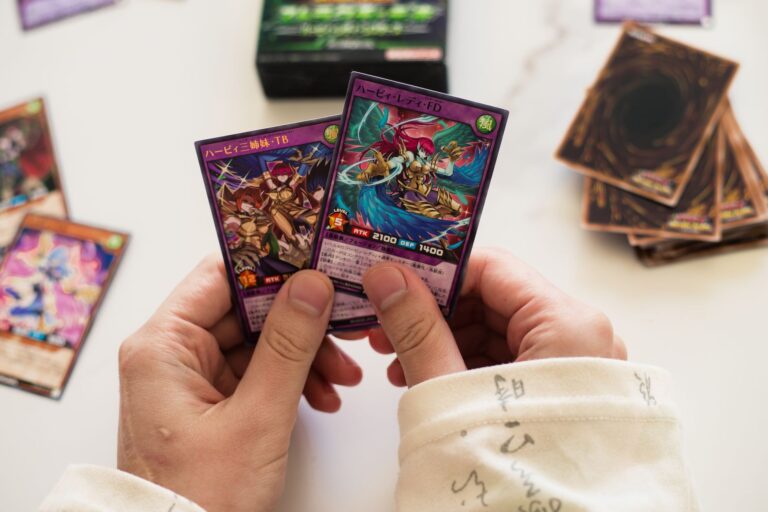
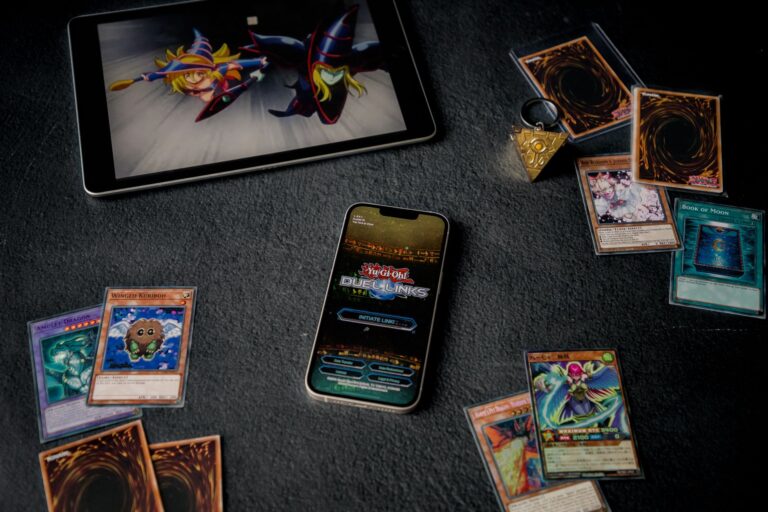
Pokémon keeps fans engaged between game releases through a deliberate ecosystem of trading card set launches, digital games, competitive tournaments, and community events that maintain momentum year-round. Rather than relying on a single mainline game release every few years, the franchise spreads engagement across multiple channels—new card sets arrive every three months, digital titles like Pokémon GO receive constant updates, and official tournaments run continuously. For example, between November 2022’s Pokémon Scarlet and Violet and March 2025’s Legends: Z-A, collectors were served eight major card set releases, while players engaged with limited-time raids in Pokémon GO and seasonal events in Pokémon Sleep, ensuring the franchise remained part of their routine even when no new console game was available.
This approach contrasts sharply with traditional franchises that go dormant between major releases. Pokémon has engineered its IP to sustain interest through overlapping release schedules and formats, creating habitual touchpoints that keep players returning rather than waiting passively for the next game. The strategy has proven effective: Pokémon Company reported record revenue in 2023, driven largely by card game sales surging past $10 billion annually, proving that fans will continuously engage with a franchise that consistently delivers new content across formats.
Table of Contents
- How Trading Card Set Releases Maintain Collector Interest Between Games
- Story and Lore Expansion Through Regional Storytelling
- Competitive Play and Esports as Engagement Drivers
- Digital Games and Mobile Engagement Platforms
- Community Events and Grassroots Engagement Structures
- Merchandise and Transmedia Expansion
- Future Engagement Through Technological Innovation and Live Service Models
- Conclusion
- Frequently Asked Questions
How Trading Card Set Releases Maintain Collector Interest Between Games
The pokémon Trading Card Game operates on an accelerated release calendar that ensures new product arrives before player interest in previous sets wanes. New full-size booster sets launch every three months, with supplementary products like special sets, promos, and premium collections released in between. This means a collector starting in January might encounter four major sets by December, along with themed products tied to events or new Pokémon. The continuous pipeline prevents the feeling that “nothing new” is available—there’s always a set coming in the next quarter to pursue or a recent set still appreciating in value.
The secondary market for card pricing creates its own engagement loop. Collectors track prices of cards they own or want to acquire, research which recent sets hold value best, and chase rare pulls from new releases hoping for cards that will appreciate. A rare Charizard or Pikachu illustration from a new set can spike in value within weeks, particularly if that Pokémon becomes relevant in the concurrent video game. This speculation keeps collectors checking market prices and hunting through packs, sustained by the fact that The Pokémon Company consistently seases certain sets, making them harder to find and driving scarcity-based value increases. The limitation here is real: card market values are volatile and heavily influenced by speculation and hype rather than inherent scarcity, meaning new collectors can easily overpay for cards that later drop in value when hype fades.

Story and Lore Expansion Through Regional Storytelling
Each new Pokémon game introduces a new region with distinct lore, characters, and Pokémon, and the trading card game extends this narrative through card design, art, and thematic sets. Scarlet and Violet’s Paldea region didn’t just launch in the games—it was woven into the card game’s story through sets featuring the region’s Academy narrative, legendary Pokémon, and new mechanics like Terastallization. fans who played the game find continuity in the cards, while card-only players get narrative content that makes collecting feel like curating a story rather than just acquiring cardboard. The franchise uses art direction, flavor text, and special illustrations on cards to explore lore that sometimes goes deeper than what appears in the games themselves.
However, this creates a barrier for new players. Understanding the significance of a particular Pokémon or region requires prior knowledge of that narrative arc, meaning someone jumping into card collecting now might feel lost seeing references to Galar, Alola, or Paldea across different sets. The card game doesn’t explain these stories clearly enough to serve as an entry point—you essentially need to have played or researched the games to feel the full weight of the narrative. Additionally, thematic sets tied to specific games become less relevant once that game fades from popular consciousness, meaning older sets can feel dated or disconnected from current momentum, though this also creates niches for collectors interested in specific regions or eras.
Competitive Play and Esports as Engagement Drivers
Pokémon’s organized play system runs continuously, with official tournaments and League Cups held year-round across regions. The Pokémon Trading Card Game World Championships and regional tournaments give competitive players a concrete goal to work toward between game releases, and the meta-game shifts with each new set release, forcing players to rebuild decks and experiment with new cards. This creates a self-reinforcing cycle: new card set launches with cards designed to shake up the competitive environment, competitive players buy booster boxes to find those cards, the meta stabilizes, then the next set launches and the cycle repeats. Players genuinely invested in tournament play end up buying hundreds of dollars worth of products per year just to stay competitive, ensuring consistent revenue.
The esports infrastructure is now substantial enough that streaming tournaments, sponsorships, and player endorsements keep competitive Pokémon on fans’ radars even during dry periods between major game releases. A comparison: Magic: The Gathering uses a similar model, and both games thrive specifically because the competitive scene creates demand. The limitation is that competitive play requires a significant time and financial investment—the barrier to entry is much higher than casual collecting. Newer players feeling even slightly behind the competitive curve often abandon the format entirely rather than spend $500 to $1,000 building a competitive deck, meaning the tournament circuit primarily serves players already invested, not new ones.

Digital Games and Mobile Engagement Platforms
Pokémon GO, despite launching in 2016, receives biweekly updates with new Pokémon, limited-time raids, seasonal events, and community days that give players a reason to open the app regularly. Pokémon Sleep, released in 2023, gamifies sleep tracking and offers Pokémon encounters based on sleep duration, creating a daily ritual. These games run on completely separate release cycles from console games, meaning even during a gap between mainline releases, players have active digital experiences to engage with. Pokémon GO generated over $1.3 billion in revenue in 2023 alone, proving that the mobile segment sustains the franchise’s engagement independent of console releases.
The advantage of multiple digital platforms is reach and accessibility—Pokémon GO can be played by anyone with a smartphone, while Scarlet and Violet require a Switch. This stratification ensures different audiences stay engaged. However, the comparison matters here: Pokémon GO’s engagement has declined significantly from its 2016 peak, showing that even established mobile games need consistent updates to retain interest. The app faces weather dependency issues (outdoor play is weather-dependent), battery drain problems, and fatigue from repetitive seasonal events, all of which have driven away committed players despite regular updates. Success in digital engagement requires more than just releasing new content—it requires listening to player complaints about sustainability and gameplay accessibility.
Community Events and Grassroots Engagement Structures
Local game stores, online communities, and fan-organized events create social infrastructure that keeps the franchise alive between official releases. Prerelease events for new card sets turn store visits into social occasions, casual play nights provide consistent engagement, and online communities on Reddit, Discord, and YouTube create daily discussion about card values, deck building, and Pokémon lore. The Pokémon Company has also leaned into community engagement by supporting official League systems, where players accumulate points over a season to qualify for larger tournaments, giving casual players a progression path that doesn’t require raw competitive skill. The warning here is real: this community infrastructure is fragile and depends on engaged players and store owners willing to invest time without guaranteed profit.
Many independent game stores have closed in recent years due to rising rent and competitive pressure from online retailers. When stores close, the social infrastructure supporting local play vanishes with them. Additionally, online communities can turn toxic around balance discussions or card pricing debates, creating hostile environments for new players. The comparison is instructive: collectibles with strong community infrastructure (Magic, Pokémon) retain value and engagement better than those without (abandoned TCGs), showing that the franchise’s engagement depends on this ecosystem surviving.

Merchandise and Transmedia Expansion
Pokémon anime series continue releasing new seasons tied to new game regions, recent theatrical films explore different storylines, and merchandise from plushies to apparel maintains the franchise’s presence in retail spaces and social spaces. A collector who hasn’t bought cards in months might see Pokémon merchandise at Target, watch a new film on Netflix, or see the anime trend on social media, which reignites their interest enough to check what’s new in the card game. The transmedia strategy ensures Pokémon’s cultural visibility doesn’t depend solely on gaming and card sales.
For example, the 2023 film “Pokémon: Gotta Catch ‘Em All” and ongoing anime releases kept the franchise visible to audiences beyond the gaming audience during the console game development gap. This diversification is one reason Pokémon generates over $50 billion in franchise revenue annually—engagement isn’t localized to a single format. However, the transmedia strategy also means that some audience segments engage with Pokémon primarily through merchandise or media rather than games or cards, potentially diluting the perception of the franchise’s “core” identity. Fans who primarily watch anime might find the competitive card game confusing or exclusionary, creating distinct silos of engagement rather than a unified fanbase.
Future Engagement Through Technological Innovation and Live Service Models
Looking ahead, Pokémon’s engagement strategy will likely lean further into live-service models, cross-platform connectivity, and generative content systems. Scarlet and Violet’s Epilogue DLC and the upcoming Legends: Z-A suggest The Pokémon Company recognizes that game releases are no longer singular events but starting points for ongoing development. The integration between the card game’s Terastallization mechanic and the games’ systems signals a future where card and video game mechanics inform each other more explicitly, creating deeper engagement loops.
The franchise’s trajectory indicates that the gap between major releases will continue to be filled with structured ongoing content rather than silence. As artificial intelligence and procedural generation improve, it’s conceivable that Pokémon could generate infinite unique card designs or game scenarios to explore, maintaining engagement indefinitely. However, this assumes players value novelty for novelty’s sake rather than purposeful, well-designed new content—a risk that many live-service games have failed by overshooting.
Conclusion
Pokémon maintains engagement between major game releases by distributing its franchise across multiple formats with overlapping release calendars. Trading card sets arrive every three months, digital games like Pokémon GO and Sleep receive constant updates, competitive tournaments run year-round, anime and film releases maintain cultural visibility, and community events provide social reasons to engage with the franchise. This ecosystem transforms Pokémon from an episodic franchise to a continuous experience that generates consistent revenue and engagement regardless of whether a new console game has recently launched.
For collectors and players, this means there’s always something new to pursue—a new card set to hunt, a tournament to prepare for, or a seasonal event to participate in. The challenge for new entrants remains the same: the franchise has expanded so much that entering at any point requires deciding which format and community to prioritize. For longtime fans, the continuous content pipeline ensures Pokémon remains a habitual part of their routine rather than a periodic passion, cementing the franchise’s position as one of the most successful IP ecosystems in entertainment.
Frequently Asked Questions
What’s the typical time between mainline Pokémon game releases?
Mainline Pokémon games typically release every 2.5 to 3 years. Scarlet and Violet (November 2022) was followed by Legends: Z-A (March 2025), a roughly 27-month gap. During this period, engagement is sustained through card releases, mobile games, and competitive play.
How often are new Pokémon Trading Card Game sets released?
New booster sets release every three months, typically in January, April, July, and October. Supplementary sets and special releases arrive in between, ensuring players and collectors have new product available continuously.
Can I stay engaged with Pokémon without buying cards?
Yes. Pokémon GO, Pokémon Sleep, the anime, tournaments (which you can watch or play without owning tournament-grade cards), and casual local play all offer engagement points. The card game is one format among many, not a requirement.
Is competitive Pokémon Trading Card Game viable for casual players?
Competitive play requires significant investment ($500-1,000+ annually) to keep up with meta shifts. Casual play is more accessible and affordable. The game has different engagement tracks for different commitment levels.
Do card prices always increase after a set is released?
No. Card prices are speculative and depend on competitive relevance, artwork demand, and scarcity. Many cards drop in value after initial hype fades. Older sets sometimes increase in value due to rotation or nostalgic demand, but this is unpredictable.
How important is it to play the video games to collect cards?
It’s not necessary. Many collectors focus purely on cards without playing games. That said, players of the video games often find additional enjoyment in collecting cards from their favorite region or Pokémon, so the games can enhance the card collecting experience without being mandatory.