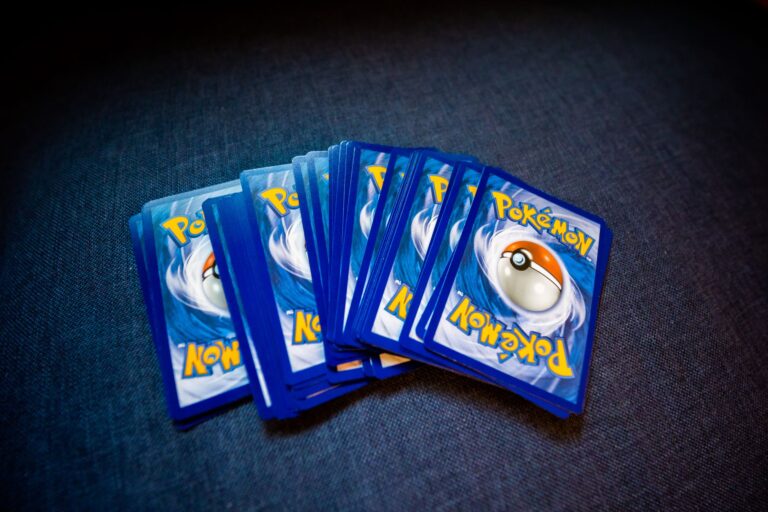
Pokémon immersive experiences could become the next major fan attraction because they solve a gap that traditional museums, gaming stores, and card shops have largely ignored: the desire for Pokémon fans to inhabit and engage with the franchise in a physical, social environment. The Pokémon Company has already begun testing this territory with events like Pokémon Worlds tournaments, pop-up exhibitions, and experiences like The Pokémon Center’s interactive installations, but these have been limited in scope and duration. A permanent or touring immersive experience—think something between a theme park attraction, an escape room, and a trading card exhibition—could generate significant visitor spending while capitalizing on nostalgia, collector pride, and the growing willingness of adult fans to spend money on premium Pokémon content. The foundation for this already exists.
The fanbase is larger and wealthier than it was ten years ago. Card prices have stabilized at higher levels. Competitive Pokémon has a legitimate esports infrastructure. And most importantly, rival franchises have shown the blueprint works: Wizards of the Coast is testing Magic: The Gathering immersive experiences, Bandai is expanding its anime experiences globally, and Universal Studios has proven that gaming intellectual property can sustain full-scale attractions.
Table of Contents
- What Makes Pokémon Immersive Experiences Uniquely Appealing to Collectors and Casual Fans Alike?
- The Market Demand and Business Model Limitations
- How Collector Communities Could Drive Adoption and Sustained Interest
- Building and Operating an Immersive Experience: Investment Requirements and ROI Trade-offs
- Attendance Risks and the Novelty Problem in Fan Attractions
- Real-World Case Study: Pokémon Pop-Up Events and What They Reveal About Demand
- Future Outlook and Likely Evolution of Pokémon Immersive Experiences
- Conclusion
- Frequently Asked Questions
What Makes Pokémon Immersive Experiences Uniquely Appealing to Collectors and Casual Fans Alike?
Immersive pokémon experiences appeal across multiple segments because the franchise bridges childhood nostalgia, competitive gaming, collecting culture, and community in ways few others do. A casual visitor might spend an afternoon handling life-size Pokémon models or participating in a guided tour through different regions. A serious collector or competitive player could attend trading events, submit graded cards for display, or compete in limited-format tournaments.
The Japanese exhibit Pokémon Card Illustration exhibition, which toured in 2022, attracted over 100,000 visitors by offering multiple entry points—some came for the art, others came for rare card viewings, and others for community. The economic incentive is straightforward: fans already travel for large tournaments like Pokémon Worlds, which pulls thousands from across regions. They pay entry fees, accommodation, meals, and merchandise. An immersive experience could consolidate this spending in one location, removing travel friction while adding permanent infrastructure that doesn’t exist for most tournaments.
The Market Demand and Business Model Limitations
The Pokémon Trading Card game market reached approximately $10 billion in retail value in 2023, driven largely by collectors and competitive players willing to spend on sealed products, graded cards, and experiences. However, there’s a critical difference between willingness to spend on cards and willingness to spend on access to a physical space. A ticket price between $20 and $50 per visitor would be required to make a permanent venue profitable, and there’s limited historical precedent for Pokémon collectors paying that consistently. Beanie Babies museums and collectible-focused experiences have historically struggled with repeat visitation rates.
The scaling challenge is real. A world-class immersive venue requires significant capital investment—museum-quality display cases, climate control for valuable cards, trained staff, security, and liability insurance. A temporary pop-up experience is far lower risk but doesn’t build the permanent attraction status that would justify the brand weight. The Pokémon Company would need to commit to multi-year operations in specific cities, which means accepting that some locations will underperform.
How Collector Communities Could Drive Adoption and Sustained Interest
Immersive experiences that integrate with collector culture rather than against it could achieve durability. Imagine a venue that offers grading partnerships, where visitors can submit cards for evaluation by professional graders with results delivered on-site. Or hosted events where high-value card owners can display their collections in secured cabinets while the owner provides context about the cards’ rarity and acquisition history.
The Pokémon Center’s recent collaboration with PSA Grading to display iconic cards created this kind of appeal—collectors felt ownership and pride in the experience rather than passivity. Community events are another anchor: regular trading nights, deck construction tournaments with entry fees, artist meet-and-greets (the illustrators of popular cards draw genuine fan interest), and educational workshops on card storage and collecting best practices. A permanent venue in a major city could host weekly or monthly programming that keeps a core audience engaged between major tournament events.

Building and Operating an Immersive Experience: Investment Requirements and ROI Trade-offs
A mid-sized immersive Pokémon venue—roughly 10,000 to 15,000 square feet in a major metropolitan area—would likely require an initial capital investment between $5 million and $15 million, depending on the location and level of production quality. This includes real estate, build-out, technology (interactive displays, digital kiosks), insurance, and initial staffing. For comparison, the The Pokémon Center flagship stores in Tokyo and New York cost comparable amounts but are retail spaces with lower operational complexity than an immersive experience.
The operational trade-off is between reach and profitability. A touring experience (moving to different cities monthly or quarterly) spreads costs but sacrifices repeat visitors and local community integration. A permanent location (even in just one major city like New York, Los Angeles, or Tokyo) builds a stable audience but concentrates all revenue in that geography. A hybrid model—a permanent flagship venue supplemented by touring exhibitions—splits the difference but requires the resources to maintain both.
Attendance Risks and the Novelty Problem in Fan Attractions
Themed attractions built around fanbases face a consistent challenge: novelty decay. The Pokémon Detective Pikachu Experience, a temporary immersive installation that toured in 2019, drew strong opening weekend attendance but struggled to sustain visitor volumes beyond the first month in each city. Similarly, gaming-focused museums like the Museum of Modern Art’s video game exhibitions have high opening attendance followed by sharp dropoff.
This happens because casual fans attend once to see the “thing,” then have no reason to return. Sustained attendance requires either very frequent content rotation (expensive and labor-intensive), or integration with events and programming that give repeat visitors a reason to return. A Pokémon immersive venue that only showcases the same cards, models, and displays indefinitely will likely experience 30-40% attendance decline year-over-year without strategic interventions. The warning is clear: the novelty alone is insufficient.

Real-World Case Study: Pokémon Pop-Up Events and What They Reveal About Demand
The Pokémon Card Illustration Exhibition in Japan offers practical insight. The 2022 exhibition ran in Tokyo, Osaka, and Fukuoka, displaying original artwork and rare cards from the TCG’s 25-year history. It achieved approximately 100,000 to 120,000 total visitors across three cities over eight months—roughly 35,000 per city. Entry fees were approximately ¥1,500 ($12 USD equivalent). Average visit duration was 90-120 minutes.
Merchandise and café sales added roughly 20% to per-visitor revenue. This suggests a market exists, but the visitor volume per city is moderate rather than blockbuster. The exhibition succeeded because it offered something collectors could not access otherwise: original artwork and rare cards in secured, organized display. However, it was also time-limited, which created urgency. This suggests that permanent venues would need rotating exhibitions or seasonal programming to maintain the “don’t miss this” appeal.
Future Outlook and Likely Evolution of Pokémon Immersive Experiences
The trajectory points toward hybrid physical-digital experiences rather than purely physical attractions. Augmented reality and mobile integration could let visitors scan cards or locations to unlock digital content, linking the immersive space to their home Pokémon collections and competitive play. The Pokémon Company is already investing in AR through its mobile apps and web platforms, and a venue that deepens this integration could differentiate itself from traditional museums.
Licensing partnerships with existing entertainment venues could accelerate adoption without requiring the Pokémon Company to build standalone facilities. A permanent Pokémon zone in regional entertainment centers, shopping complexes, or alongside other anime or gaming experiences could achieve viability through shared operating costs. This is already happening in some Japanese shopping centers and is likely to expand globally within three to five years.
Conclusion
Pokémon immersive experiences have genuine potential as fan attractions, driven by a large, wealthy fanbase and demonstrated demand from exhibitions and pop-up events. However, they will succeed or fail based on execution, not concept.
The key differentiators are community integration (enabling collectors and competitive players to participate meaningfully), sustained programming (preventing novelty decay), and realistic financial planning (avoiding over-investment in permanent infrastructure). For collectors and serious fans, these experiences represent an opportunity: a legitimate space to showcase pride in the hobby, connect with peers, and access exclusive content. The next two to three years will likely determine whether immersive Pokémon experiences become a durable part of the fan ecosystem or remain occasional pop-ups that spike in popularity but lack staying power.
Frequently Asked Questions
What is the difference between a Pokémon immersive experience and a trading card shop?
Trading card shops focus on sales of products and community gameplay, while immersive experiences are designed as visitor attractions with curation, education, entertainment, and community events as primary features. Shops are merchant spaces; immersive experiences are entertainment venues.
How much would tickets likely cost?
Based on comparable attractions and operational requirements, realistic pricing would fall between $20 and $50 per adult, with discounts for children, members, or multi-visit passes. The higher end ($50+) would require premium programming like artist meetings or exclusive tournaments.
Would a permanent Pokémon immersive venue in a major city be profitable?
Likely yes, but only with consistent attendance of 500-1,000 visitors per week and strong ancillary revenue from events, merchandise, and partnerships. Venues with lower weekly attendance would struggle unless operating costs are significantly reduced through venue sharing.
How would a Pokémon immersive experience integrate with online competition and collecting?
Most likely through mobile apps and digital tie-ins that let visitors scan cards, unlock rewards, or register for online tournaments linked to the venue. The physical space would serve as a hub connecting casual fans, collectors, and competitive players to the broader Pokémon ecosystem.
Are there examples of other franchises successfully running immersive experiences?
Yes. The Harry Potter Studio Tour in the United Kingdom has sustained 12+ years of high attendance through consistent programming and updates. Star Wars: Galaxy’s Edge at Disney parks integrates immersion with rides and experiences. Both succeed by combining passive observation with interactive or transgressive experiences.
What’s the biggest risk for a Pokémon immersive venue?
Novelty decay leading to sharp attendance decline after the opening phase. Without sustained programming, rotating exhibitions, or integration with competitive events, venues would need to accept 30-50% year-over-year attendance decline after the first year.