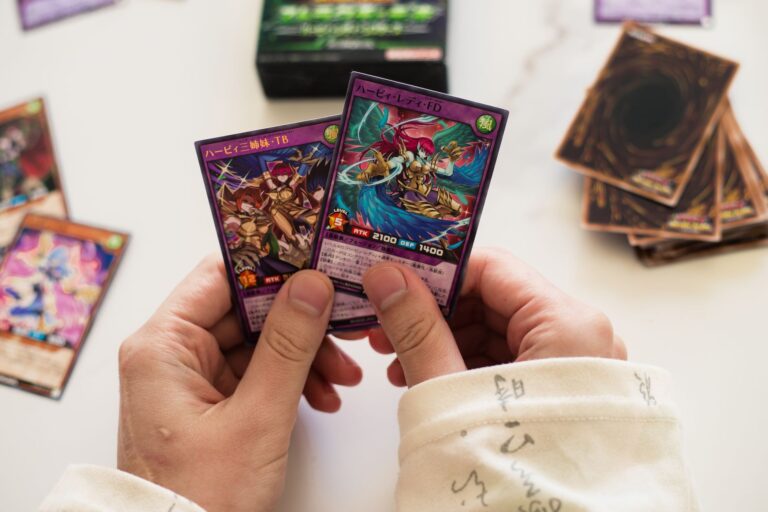
The MLB’s embrace of Pokémon card collecting signals a fundamental shift in how mainstream sports culture views the hobby—one that legitimizes collecting for the next generation while simultaneously reshaping the market itself. For decades, serious card collecting existed in relative isolation, pursued by dedicated enthusiasts but largely absent from professional sports circles. That changed dramatically in 2025 and 2026, when elite baseball players began publicly collecting high-grade cards, hunting for packs in every MLB city, and even incorporating Pokémon into their pre-game rituals. Chris Sale, the veteran pitcher, has amassed thousands of graded Pokémon cards—predominantly gem-mint 10s—stored in what he calls his “Pokémon lair,” after purchasing his first card, a 1999 Base Set Charizard, in September 2022.
This isn’t casual fandom; it’s a deliberate, sustained commitment by one of baseball’s most respected players. The financial stakes have never been higher. In February 2026, the Pikachu Illustrator card sold for $16,492,000 at Goldin Auctions, cementing Pokémon cards as a legitimate alternative asset class. What the next generation of collectors needs to understand is that this MLB trend represents both unprecedented opportunity and genuine risk. The involvement of professional athletes has accelerated demand, drawn mainstream media attention, and attracted serious capital to the market—but it has also introduced speculative pressure and the potential for a boom-and-bust cycle.
Table of Contents
- How Are MLB Players Legitimizing the Hobby for Younger Collectors?
- What Does the Record-Breaking Market Data Tell Us About Sustainability?
- How Are Official Partnerships Changing the Landscape?
- What Role Does Custom Merchandise Play in Elevating Card Collecting?
- What Are the Hidden Risks of Speculative Hype?
- How Is the Generational Composition of Collectors Shifting?
- What Does the Future Look Like for Pokémon Collecting in Professional Sports?
- Conclusion
How Are MLB Players Legitimizing the Hobby for Younger Collectors?
When Mike Trout texted teammate Zach Neto to rip pokémon packs in the clubhouse during a slump, and both players homered that night after pulling a Charizard, something shifted in how professional athletes publicly engage with the hobby. This wasn’t a one-off moment of boredom; it was a deliberate, almost ritualistic embrace of card collecting within one of sports’ most visible and competitive environments. Jacob Misiorowski hunts Pokémon cards in shops in every major league city he visits and has filled a large binder with them, even redecorating his basement bathroom in a Pokémon theme. These aren’t basement collectors hiding their passion; they’re millionaire athletes openly celebrating their collections and building personal brand identities around the hobby.
For the next generation of collectors—kids and teenagers watching these athletes—the signal is unmistakable: collecting Pokémon cards is something worthy of time, money, and effort. The cultural cachet of having Hall of Fame-caliber players invested in the hobby removes a layer of stigma that persisted for years. However, there’s a critical limitation to this narrative: most collectors will never achieve the spending power of an MLB player. The vast majority of kids entering the hobby now will not have the resources to compete at the premium end of the market where Chris Sale operates. Understanding this gap between aspirational collecting and accessible collecting is essential for younger collectors setting realistic goals.

What Does the Record-Breaking Market Data Tell Us About Sustainability?
The Pikachu Illustrator’s $16.5 million sale in early 2026 sent shockwaves through the hobby, not just because of the price, but because it legitimized Pokémon cards as investment-grade assets comparable to fine art or rare memorabilia. Data from eBay showed that Pokémon cards were among the hottest movers throughout 2025, indicating sustained demand at volume rather than isolated whale purchases. This combination—record-setting luxury sales paired with consistent mid-tier activity—suggests genuine, broad-based demand rather than a niche bubble. But here’s where caution is warranted: every speculative asset follows predictable patterns, and collectibles are particularly vulnerable to boom-and-bust cycles.
The involvement of celebrity athletes and mainstream media attention accelerates demand in ways that can outpace fundamental market growth. A next-generation collector entering the hobby today must reckon with the fact that some of today’s “sure bets” may face pressure if athlete interest wanes or if the broader cultural zeitgeist shifts. The sustainability of this trend depends heavily on whether partnerships, merchandise integration, and continued mainstream visibility can maintain momentum beyond the initial spike. Some cards that seem valuable today may face significant downward pressure in five years if the speculative fever cools.
How Are Official Partnerships Changing the Landscape?
The MLB and Pokémon GO partnership for the 2026 season brings institutional legitimacy and infrastructure to an unprecedented degree. All 30 MLB parks will feature club-branded PokéStops, Gyms, and Official Routes within Pokémon GO—turning baseball stadiums into collection hubs and creating recurring reasons for fans to engage with both properties. Separately, the Pokémon Company announced a partnership with Nippon Professional Baseball (NPB) for the franchise’s 30th anniversary, including Pokémon appearances at games, exclusive merchandise, and dedicated Pokémon GO events. These aren’t small marketing tie-ins; they’re structural integrations that embed card collecting into the professional baseball calendar.
For collectors, these partnerships mean several things. First, accessibility increases: official events and locations make card hunting easier and more organized. Second, scarcity dynamics shift; partnerships often produce limited-edition products and exclusive merchandise that become valuable precisely because of their official status. Third, cultural embedding deepens; when Pokémon becomes a permanent fixture at MLB stadiums, the hobby transitions from subculture to mainstream infrastructure. A 10-year-old visiting an MLB park in 2026 experiences Pokémon not as a fringe hobby but as an integrated part of the sports experience, fundamentally shifting how they perceive the hobby’s legitimacy and importance.

What Role Does Custom Merchandise Play in Elevating Card Collecting?
The emergence of custom baseball gloves with integrated card pockets represents a symbolic and practical evolution in how collectors interface with their hobby. Jacob Misiorowski and Dodgers reliever Will Klein have had custom gloves designed with see-through pockets specifically intended to hold Pokémon cards—transforming collecting from a sideline activity into something visible during gameplay. This isn’t merely aesthetic; it’s a statement that card collecting is integral to these athletes’ preparation and mindset, worthy of professional-grade equipment integration. For younger collectors, this trend highlights both opportunity and trade-off.
On one hand, custom merchandise and display innovation opens new avenues for personal expression and community building around collecting. On the other hand, there’s a significant practical concern: cards housed in visible pockets, displayed in themed bathrooms, or handled frequently during gameplay face environmental exposure that contradicts the core preservation logic of the hobby. High-grade cards derive value specifically from protective storage and minimal handling. The tension between Instagram-worthy display and long-term preservation is real, and collectors need to make deliberate choices about whether their cards are for active enjoyment or for asset appreciation. The MLB trend sometimes conflates these two goals in ways that may not serve collectors’ financial interests.
What Are the Hidden Risks of Speculative Hype?
As with any collectible that attracts sudden mainstream attention, the Pokémon card market faces genuine risks that younger collectors should understand before committing serious capital. Speculative bubbles thrive when celebrity involvement, record prices, and FOMO converge—and all three are present in the current market. Cards purchased at peak hype often experience significant corrections once the initial fervor cools. Historical precedent matters: the baseball card market of the 1980s and 1990s saw similar patterns, where mainstream media attention and celebrity collecting drove prices to unsustainable levels, followed by dramatic corrections that left speculative buyers underwater.
The MLB trend accelerates this risk by creating a narrative that positions Pokémon cards as an alternative investment comparable to stocks or real estate. This is partly true at the museum-piece level (the Pikachu Illustrator), but dangerously misleading at the mid-tier ($100-$10,000) range where most younger collectors operate. Cards that seem expensive and rare today may face sudden supply increases through reprints, new product releases, or shifts in collector preferences. A critical warning for next-generation collectors: never commit funds to card collecting that you can’t afford to lose entirely. Treat speculative purchases as hobbies with entertainment value, not as retirement accounts.

How Is the Generational Composition of Collectors Shifting?
The integration of Pokémon collecting into professional baseball clubhouses has created an unexpected bridge between traditional sports culture and card collecting culture. Players in their 20s and early 30s—like Jacob Misiorowski and Zach Neto—grew up during Pokémon’s initial boom and have brought their childhood hobby into their professional identity in ways that would have been unthinkable a decade ago. This shift matters because it signals to younger collectors that the hobby is not a phase or an embarrassment; it’s a legitimate source of joy and investment for successful professionals.
For collectors in their early teens and pre-teens entering the hobby now, they’re joining a community that includes professional athletes, mainstream media coverage, and institutional partnerships. This is radically different from the isolation previous generations experienced. However, this visibility also means higher prices, more competition, and faster market cycles. A 12-year-old collector in 2026 is competing in a market shaped by celebrity collectors and speculative investors in ways that weren’t true five years ago.
What Does the Future Look Like for Pokémon Collecting in Professional Sports?
The trajectory suggests deepening integration rather than temporary fad. With official partnerships between MLB and Pokémon GO, NPB and Pokémon Company, and custom merchandise normalizing cards within clubhouse culture, the infrastructure for sustained mainstream involvement is in place. The question isn’t whether MLB players will continue collecting—the institutional backing suggests they will—but rather how market saturation and potential speculative corrections will affect pricing at various tiers.
Looking ahead, collectors should expect increased competition for scarce cards, continued innovation in display and preservation technology, and potential volatility in the $1,000-$50,000 range where many mid-tier collectibles reside. The legitimacy the MLB trend has conferred on Pokémon collecting is durable and unlikely to disappear entirely, but the fever-pitch speculation of 2025-2026 will almost certainly moderate. Smart collectors entering the hobby now should focus on cards they genuinely want to own and enjoy, hedge against speculative excess, and understand that the best time to build a collection often comes after the hype peaks, not during it.
Conclusion
The MLB Pokémon trend represents a permanent cultural shift in how professional sports figures engage with collecting hobbies and how mainstream society perceives card collecting’s legitimacy. Chris Sale’s “Pokémon lair,” Mike Trout’s clubhouse ripping sessions, and $16 million auction prices have collectively reframed the hobby from niche to mainstream. For the next generation of collectors, this shift creates both unprecedented opportunity and genuine risk. The opportunity lies in increased accessibility, official infrastructure, and cultural validation.
The risk lies in speculative excess, unsustainable pricing, and the inevitable correction that follows mainstream hype. As a younger collector entering this market, your strategy should balance enthusiasm with skepticism. The MLB trend validates your hobby and opens doors to community, events, and partnerships that didn’t exist five years ago. But it also creates an environment where separating genuine value from speculative fever requires disciplined thinking. Buy cards you want to own, understand the risks, and remember that the most sustainable collecting hobby is one built on passion first and speculation second.