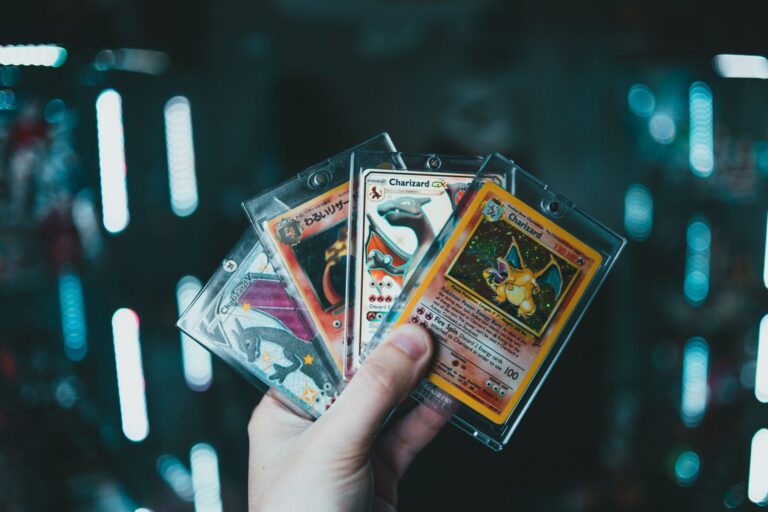
Light Base Set packs remain valuable despite being among the oldest releases in the hobby because they contain some of the most sought-after cards ever printed—the original starter trio of holographic rares. Even though millions of Unlimited Base Set packs were produced, the rate at which they’re opened, lost to poor storage, or destroyed over three decades has dramatically reduced supply. A Charizard #4 Holo Rare from these packs is worth $206.42 today, making it one of the most recognizable chase cards in all of trading cards, and sealed packs represent a direct path to pulling these valuable cards if they haven’t already been opened.
The secondary market data shows that Unlimited Base Set packs trade for $200-$300 per pack, a substantial sum that reflects genuine collector demand rather than speculation. These prices exist because Base Set is out of print, unlike modern releases that maintain lower values as long as distributors have stock. Once retail stock depletes, secondary market prices increase significantly, which is exactly what happened with these classic packs—they’ve had decades to appreciate. The reality is that Light Base Set packs were mass-produced precisely because they were successful, yet paradoxically their value has increased because that success means they were opened by millions of people who didn’t store them properly or who have since discarded them.
Table of Contents
- WHAT MAKES BASE SET UNLIMITED PACKS STILL COMMAND PREMIUM PRICING
- SUPPLY SCARCITY AND THE REALITY OF OPENED PACKS
- THE ORIGINAL STARTER TRIO AS SUSTAINED DEMAND DRIVERS
- EVALUATING CONDITION AND AUTHENTICITY IN SEALED PACKS
- THE DIFFERENCE BETWEEN INVESTMENT AND COLLECTIBLE
- STORAGE AND PRESERVATION CONSIDERATIONS
- THE LONG-TERM OUTLOOK FOR CLASSIC PACKS
- Conclusion
WHAT MAKES BASE SET UNLIMITED PACKS STILL COMMAND PREMIUM PRICING
Base Set Unlimited, the “light” printing identified by its cleaner card backs without the 1st Edition stamp, represents the true mass-market release of the original Pokemon set from 1999. The pricing difference between sealed packs and the cards themselves tells an interesting story: a single Blastoise #2 Holo Rare costs $151.01, while Venusaur #15 Holo costs $77.04. Yet collectors still pay $200-$300 for sealed packs containing the possibility of pulling any of these cards, plus hundreds of other cards. This pricing makes sense only if we factor in the rarity of finding sealed packs at all—the supply has genuinely collapsed as these original packs vanish from collections.
One key distinction separates Base Set from later reprints: this was the set that defined the modern Pokemon TCG format and established which cards would become classics. While newer sets like Scarlet and Violet are reprinted constantly, Base Set has not been printed in its original form for over 25 years. The vintage market operates on completely different supply dynamics than the current hobby, where modern packs stay cheap until they’re out of print, then suddenly appreciate. With Base Set, the appreciation already happened decades ago, and prices have stabilized at levels that reflect genuine supply scarcity rather than hype cycles.
SUPPLY SCARCITY AND THE REALITY OF OPENED PACKS
The $200-$300 price point for Base Set Unlimited packs exists specifically because the supply is genuinely limited—not artificially constrained by manufacturers, but depleted through actual consumption. every pack that was opened by a 1990s kid, every damaged storage situation, every pack lost in a garage sale or estate clearance represents permanent supply reduction. Unlike modern products, there are no more Base Set packs in warehouse inventory waiting to flood the market. This fundamental scarcity creates real value. However, there’s an important limitation to understand: the value proposition depends entirely on what’s inside.
If you buy a pack hoping to pull a Charizard, you’re paying $200+ for a chance that might not come through. The data suggests that players and collectors seeking specific cards are often better served buying the individual cards they want rather than gambling on sealed packs. A Charizard costs $206.42—nearly the price of an entire pack. The holder of that pack might pull the Charizard, or might pull nothing near that valuable. This is why sealed packs function more as collectible products than as investment vehicles for specific card acquisition.
THE ORIGINAL STARTER TRIO AS SUSTAINED DEMAND DRIVERS
Charizard, Blastoise, and Venusaur were the intentional centerpieces of Base set‘s design, and decades later they remain the primary reason collectors want these packs. The $206.42 price on Charizard #4 represents not just rarity but cultural momentum—this card defined what valuable Pokemon cards look like for an entire generation. Every pack someone buys, sealed or not, is partly driven by the dream of pulling one of these three holographic rares.
The presence of these chase cards in Base Set means demand for the packs themselves doesn’t depend on trends or current format popularity. An example that demonstrates this: during recent Pokemon TCG market softness in 2024-2025, modern booster boxes and packs lost 30-50% of their peak value as new products flooded the market. Base Set packs showed no comparable decline because they’re not competing in the same market—they’re competing for collector money and nostalgia spending, not tournament investment dollars. A player wanting to play competitively might abandon Pokemon entirely if it becomes expensive, but a collector chasing the original starter trio has limited alternatives to these sealed packs.

EVALUATING CONDITION AND AUTHENTICITY IN SEALED PACKS
When purchasing Light Base Set packs, condition becomes paramount because you’re paying premium prices. A pack with significant creasing, water damage, or fading on the artwork will be worth substantially less than one in near-mint condition, even though both may claim to be “sealed.” The price difference between a pack graded PSA 8 (Very Good/Fine) and PSA 9 (Mint) can easily be $100+. This is where buying from reputable dealers matters—auction sites and private sales carry real risk of purchasing packs that have been opened and resealed, or packs that have suffered condition loss that impacts their actual market value.
Authentication deserves specific mention as a warning: Base Set packs are old enough and valuable enough to warrant counterfeiting concern. While full pack counterfeits are less common than counterfeit cards, they exist. The safest approach is purchasing from established card retailers who guarantee authenticity or through auction platforms like eBay with strong buyer protection, though these routes typically come with premium pricing to cover seller overhead.
THE DIFFERENCE BETWEEN INVESTMENT AND COLLECTIBLE
A critical misconception to address is treating Base Set packs as investments with predictable returns. The $200-$300 price range represents the current stable market price, not necessarily a floor with guaranteed appreciation. If Pokemon’s cultural relevance declines significantly, or if supply somehow increases (through discovery of old warehouse stock, for example), prices could compress. Conversely, if Pokemon nostalgia continues gaining mainstream attention, prices could appreciate further. The point is that this is not a bond or index fund—it’s a collectible with subjective value based on market sentiment.
That said, historical data suggests that genuine, sealed vintage packs have consistently appreciated over long timeframes. A Base Set Unlimited pack worth $50 in 2010 is worth four times that today. Someone buying at today’s prices is betting that vintage Pokemon collectibles will remain desirable across the next 15 years, which seems reasonable given cultural trends, but it’s not certain. The warning: don’t buy these packs expecting to flip them in six months for profit. Buy them if you want to own a piece of Pokemon history for your collection, or if you genuinely believe in long-term vintage appreciation.

STORAGE AND PRESERVATION CONSIDERATIONS
The irony of buying a $200+ sealed pack is that its value depends on keeping it sealed and stored properly, which means you cannot open it to chase the cards inside. This creates a practical dilemma for collectors: do you want to own the pack itself, or do you want to experience opening it? The financial incentive strongly favors keeping it sealed and stored in acid-free holders in a climate-controlled environment. Humidity, temperature fluctuation, and light exposure degrade pack condition over time.
For those serious about preservation, PSA and similar grading companies offer pack authentication and condition ratings, which provide both insurance against counterfeits and a documented market value. The grading process itself costs money and takes weeks, but it provides assurance if you’re spending serious money. An example: a raw Base Set Unlimited pack in excellent condition might sell for $250, while the same pack professionally graded at PSA 8 might command $450 because the grade provides certainty to future buyers.
THE LONG-TERM OUTLOOK FOR CLASSIC PACKS
Base Set’s position as the original, foundational set gives it a durable competitive advantage against newer releases. Unlike set-specific crazes that fade when a new set becomes popular, Base Set maintains collector interest across all market conditions because it represents the starting point of the modern hobby.
As Pokemon continues aging and the 1990s/2000s cohort that grew up with these cards enters their peak earning years, demand from nostalgic collectors tends to increase rather than decrease. The trajectory suggests that sealed Base Set packs will likely remain valuable indefinitely, though whether $200-$300 represents a buying opportunity or a price ceiling depends on your outlook for the broader Pokemon collecting market. What’s clear is that these packs are not becoming less rare—if anything, more packs are lost to collection dispersion each year, making finds increasingly rare.
Conclusion
Light Base Set packs retain genuine value because they’re products of a different era in Pokemon’s history, when print runs were massive but never to be repeated, and when the cards inside established the template for what valuable Pokemon cards look like. The $200-$300 secondary market price reflects authentic supply scarcity combined with sustained collector demand centered on iconic chase cards like Charizard, Blastoise, and Venusaur. This is not hype or speculation—it’s the stable market price for a product that simply cannot be reprinted.
The practical question for collectors is whether these packs fit your collection strategy. If you want to own a sealed artifact from Pokemon’s founding era, or if you believe vintage hobby products will appreciate over the next decade, the market is stable enough to support buying at current levels. If you’re chasing specific cards, you’re usually better served buying them individually. Either way, understanding why these packs command their prices—genuine rarity combined with iconic content—explains their continued position as premium collectibles in the Pokemon TCG market.