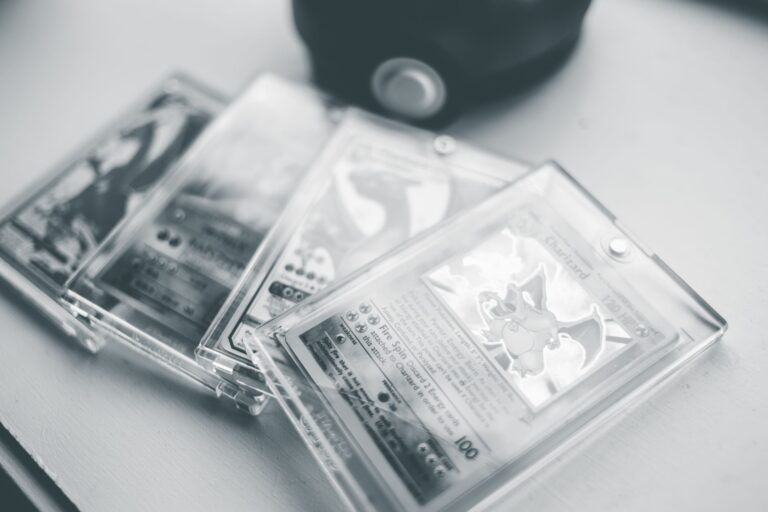
The thick stamp variant of the Machamp from Base Set represents one of the more nuanced printing variations that serious Pokemon card collectors encounter. This variant, identifiable by its distinctly thicker and more pronounced stamp at the bottom of the card, emerged from Wizards of the Coast’s printing process during the mid-to-late production runs of the Base Set era. The thick stamp Machamp wasn’t intentionally created as a special release but rather resulted from variations in how the holographic stamp was applied during manufacturing, making it a fascinating case study in how print variations create collector value and interest. What many newer collectors don’t realize is that the relationship between this Machamp variant and cards like Zubat from the same era reveals important patterns about Base Set production quality and consistency.
The thick stamp appears on multiple cards across different prints, but the Machamp is particularly notable because of its prominence in the set and the visibility of this variation. This particular variant holds moderate premium value over standard Base Set Machamp copies, though nowhere near the premium commanded by other rare variants like shadowless or first edition runs. The significance of understanding thick stamp variants extends beyond pure monetary value. These variations serve as markers of specific production windows and help collectors and researchers track how Wizards of the Coast’s manufacturing process evolved. For collectors focused on building comprehensive set collections that capture printing variations, acquiring a documented thick stamp example becomes part of a more complete archive of Base Set history.
Table of Contents
- What Makes Thick Stamp Variants Different from Standard Base Set Printings?
- Identifying and Authenticating Thick Stamp Variants with Certainty
- Collector Appeal and Market Examples of Thick Stamp Machamp
- Valuation Dynamics and Investment Considerations for Variant Collectors
- Common Identification Mistakes and Pitfalls When Evaluating Thick Stamp Examples
- Thick Stamp Variants in the Broader Context of Base Set Production Variations
- Future Outlook for Thick Stamp Variants and the Evolution of Variant Recognition
- Conclusion
What Makes Thick Stamp Variants Different from Standard Base Set Printings?
Thick stamp variations exist because of differences in how the holographic stamp was applied during the printing and cutting process. On standard base Set cards, the stamp appears as a relatively thin, cleanly applied graphic element. On thick stamp variants, the stamp extends slightly thicker or appears with more prominent borders, suggesting either different stamping equipment, pressure variations, or timing differences in how the holographic layer was applied to the cards. This is distinct from damage or wear—a thick stamp variant has consistent, uniform thickness across the stamp area, visible even on higher-grade copies. Comparing a thick stamp Machamp directly to a standard version makes this difference clear.
When placed side by side, the thick stamp variant shows noticeably more visual weight to the stamp element, almost as though it was printed with slightly different registration or pressure settings. Similar variations appear on other cards from the same print runs, including less notable commons and uncommons, but Machamp’s status as a more iconic and collected card means the variation draws more collector attention and documentation. The thick stamp is distinct from other known variants like the shadowless or miscut variations, making it a discrete category that serious collectors specifically hunt for. One important limitation is that the thick stamp variant exists on relatively small population numbers. Most Base Set Machamp copies in circulation are standard versions, meaning that acquiring a thick stamp example requires patience and careful examination when purchasing from secondary markets. Many casual sellers and graders don’t distinguish this variant specifically, so finding documented examples requires either purchasing from dealers who specialize in variants or learning to identify the characteristic yourself.

Identifying and Authenticating Thick Stamp Variants with Certainty
Proper identification of a thick stamp variant requires comparing the card directly against known standard examples. The thickness of the stamp should be visually obvious when comparing two cards in equivalent lighting conditions—it’s not a subtle difference that requires magnification, though using a loupe or macro lens can help you understand the exact structural differences. The stamp area on a thick variant appears more prominent and defined, with borders that seem bolder or more substantial than the thin, crisp stamp on standard printings. Authentication becomes crucial because misidentification is common among collectors unfamiliar with this specific variant. A card that has simply experienced surface wear or has been subjected to humidity changes might appear to have a slightly different stamp appearance due to wear patterns or minor warping.
True thick stamp variants show consistent, uniform thickness across the entire stamp area, while wear-related changes typically appear uneven or only affect certain portions of the stamp. The card stock itself should show no signs of damage or wear that would contribute to this appearance—that’s the key distinction from a damaged standard version. A significant warning: some sellers intentionally misrepresent standard cards as thick stamp variants to command a premium. If purchasing from an unfamiliar source, request detailed photographs showing the stamp from multiple angles and in consistent lighting. Better yet, purchase from established dealers with strong variant documentation or from grading companies that specifically identify this variant. The premium for a thick stamp variant rarely justifies the risk of purchasing a misidentified card, so verification is worth the effort.
Collector Appeal and Market Examples of Thick Stamp Machamp
Collectors pursue thick stamp variants for several distinct reasons. Some focus on owning examples of every documented variation from Base Set, viewing their collection as a comprehensive archive of the set’s printing history. Others are drawn to the relative scarcity and the challenge of locating quality examples. Still others appreciate the story these variants tell about manufacturing inconsistencies and the ways modern production variations can create unexpected collector value. A concrete example illustrates the collector appeal: a near mint thick stamp Base Set Machamp recently sold through a specialized Pokemon card dealer for approximately 15-20% above comparable standard examples in the same grade, without reaching the premium pricing of shadowless or first edition variants.
This moderate premium reflects genuine collector interest without the extreme scarcity premiums of more famous variants. Compare this to the thousands of dollars commanded by truly rare variants, and you see that thick stamp represents a accessible entry point for collectors interested in variants without the financial commitment of pursuing the most extreme cases. The challenge of building a thick stamp collection extends to documentation. Unlike first edition or shadowless variants, which have been comprehensively documented for decades, thick stamp variants have less standardized recognition in the community. Many collectors don’t specifically track these variants in their collection databases or when evaluating cards for purchase. This creates both opportunities for dedicated variant collectors and a ceiling on premium prices—without community-wide recognition and cataloging, even rare thick stamp examples won’t command the prices that more famous variants achieve.

Valuation Dynamics and Investment Considerations for Variant Collectors
The valuation of thick stamp variants reflects a genuine but modest premium over standard versions. A thick stamp Base Set Machamp in near mint condition typically sells for 10-25% above a standard near mint copy, depending on the specific grade, condition nuances, and whether the sale occurs through a dealer specializing in variants or a general secondary market. For context, a standard near mint Base Set Machamp might trade between $80-150, meaning a thick stamp variant would range from roughly $88-190 in the same condition. The investment tradeoff here is important to understand. Investing specifically in thick stamp variants requires that you believe variant premiums will increase as more collectors learn about and document these variations.
This is a reasonable but speculative position—some variants do command growing premiums as documentation improves and collector sophistication increases. However, the thick stamp variant is unlikely to reach the financial significance of shadowless or first edition variants, which have fundamental scarcity and historical importance that thick stamps lack. For collectors, the appeal is more about the satisfaction of owning a specific variant and building a comprehensive collection than expecting significant financial appreciation. A practical comparison: if you’re building a financial investment portfolio in Pokemon cards, major variants with extreme scarcity and documented historical importance offer more predictable premiums. If you’re building a collector’s archive that captures the full history and diversity of Base Set production, modest variants like thick stamps offer genuine value and satisfaction. The financial returns exist but are measured in percentage points, not multipliers.
Common Identification Mistakes and Pitfalls When Evaluating Thick Stamp Examples
One of the most frequent misidentifications involves confusing wear-related stamp changes with actual thick stamp variants. A card that has experienced humidity fluctuations or minor wear might show a stamp that appears thicker or differently defined than ideal. This is surface-level wear or warping, not a manufacturing variant. True thick stamp variants show uniform, consistent thickness throughout the stamp that appears identical across the face of the card—no uneven patterns or wear concentrations that would suggest the card experienced environmental stress. Another common pitfall is confusing thick stamp variants with other legitimate variations from Base Set. For example, cards from different print runs can show subtle differences in ink saturation, card stock color, or holographic intensity that might cause the stamp to appear different.
Without directly comparing a suspected thick stamp to confirmed standard examples from the same print run, it’s easy to misidentify simple print run differences as the specific thick stamp variant. This is why photographs showing side-by-side comparisons matter so much in online transactions. A warning specifically relevant to authentication: be extremely cautious of ungraded thick stamp examples purchased without supporting documentation or detailed imagery. The premium for thick stamps is modest enough that purchasing an ungraded card you can’t personally inspect carries real risk of overpaying for a misidentified standard copy. Grading companies that specifically document this variant provide objective verification, though they typically charge standard grading fees even for less valuable variants. For thick stamp Machamp purchases, spending the extra money on professional grading or purchasing from documented specialist dealers pays for itself in the confidence and protection you gain.

Thick Stamp Variants in the Broader Context of Base Set Production Variations
Understanding thick stamp variants requires seeing them within the full landscape of Base Set printing variations. The Base Set was printed across multiple years with numerous production revisions, creating a fascinating catalog of variants: shadowless (earliest), unlimited with subtle variations, different holographic treatments, and printing timing variations like thick stamps. Serious Base Set collectors develop frameworks for identifying and organizing these variations, and thick stamps represent one middle-tier variation in terms of rarity and collector recognition.
A specific example helps illustrate this context: a collector building a comprehensive Base Set variant archive might pursue shadowless and first edition copies of key cards (the premium tier), then focus on documented unlimited variations including thick stamps and other print-specific markers (the mid-tier), and finally fill out a complete set with standard unlimited copies (the accessible baseline). In this framework, thick stamp Machamp occupies a meaningful position—valuable for variant completeness but not the top priority that shadowless or first edition copies command. This organizational approach helps collectors prioritize purchases and focus their collecting philosophy clearly.
Future Outlook for Thick Stamp Variants and the Evolution of Variant Recognition
As the Pokemon card community matures and variant documentation improves, variations like thick stamps might receive more systematic cataloging and premium recognition. Online databases and collector resources are increasingly documenting production variations beyond the major categories, creating infrastructure that could eventually elevate the status of variants like thick stamps. However, this appreciation likely won’t dramatically shift pricing unless collector consensus shifts to view these variants as essential components of serious collections.
The long-term trajectory of thick stamp variants likely follows a measured path: modest, sustained premium pricing for quality examples as variant-focused collectors expand in number, without the explosive growth potential of the rarest variants. For collectors, this means thick stamp copies remain reasonably attainable acquisitions rather than becoming prohibitively expensive. This accessibility actually makes thick stamps attractive for collectors building variant-focused collections—you can own a meaningful piece of Base Set production history without the five-figure investments that the rarest variants demand.
Conclusion
The thick stamp Machamp Base Set variant represents a legitimate and documented printing variation worthy of collector attention, though positioned in the moderate tier of Base Set variants rather than the extreme rarity categories. Understanding this variant requires developing an eye for the specific thickness and definition characteristics of the stamp, which distinguishes true thick stamp examples from standard cards or wear-damaged copies. The modest premium these cards command reflects genuine but measured collector interest, making them accessible acquisitions for variant collectors building comprehensive archives of Base Set production history.
For collectors interested in pursuing thick stamp variants, the path forward involves patient hunting, careful verification through comparison or documentation, and purchasing from trustworthy sources. Building a thick stamp collection doesn’t require the financial commitment of chasing shadowless or first edition variants, but it does require more attention and intentionality than casual collection building. Whether you’re drawn to the challenge of identifying and acquiring specific variants or you simply want to own a piece of documented Base Set manufacturing diversity, thick stamp Machamp offers a meaningful addition to any serious collector’s portfolio.