Winning a tournament with your own deck is one thing. Holding that victory card in a PSA 9 slab years later is another. My journey from pulling a Base Set Energy Removal during my tournament days to eventually getting it graded as a PSA 9 taught me more about card collecting than any online guide could. Energy Removal (#92), the unassuming Trainer card from the 1999 Pokémon Base Set, became the centerpiece of how I understand card preservation and grading standards. What started as a deck staple I barely paid attention to became a three-decade journey of learning what “Mint condition” actually means.
The path wasn’t straightforward. I played that Energy Removal in tournaments during the height of the Pokémon Trading Card Game’s first wave. Back then, no one was thinking about PSA 9 grades—we were thinking about winning. But decades later, when I returned to collecting, I discovered that the same card I’d wielded competitively could be worth grading. The secondary market for these cards is active and specific: PSA 9 Energy Removal cards from Deck B regularly appear on eBay, Fanatics Collect, and GameStop. The decision to get mine graded became less about its monetary value and more about preserving a piece of my collecting history in its proper condition.
Table of Contents
- What Makes Energy Removal Special in Tournament Play?
- Understanding the Path to Grading: From Tournament Card to Collectible
- The Reality of PSA 9: What Mint Condition Means
- The Secondary Market for Graded Energy Removal Cards
- Storage and Preservation: Keeping Your Grade Intact
- The Personal Narrative: Why Tournament-Won Cards Matter
- The Broader Collecting Journey: From Tournament Staples to Preserved History
- Conclusion
What Makes Energy Removal Special in Tournament Play?
Energy Removal isn’t a flashy card. It doesn’t have artwork that commands attention, and it’s not a Pokémon—it’s a Trainer, the kind of card that does its job quietly but effectively. In competitive play, especially during the base Set era, this card was essential. It removes an energy card from your opponent’s Pokémon, which could disrupt their strategy or buy you crucial turns. The fact that it came from Deck B meant some collectors had multiple copies from sealed tournament products.
What’s interesting now is how differently we view tournament-won cards versus pack-pulled cards. A card that was played competitively carries different wear patterns than one that was never used. Creases on the corners, slight surface wear from handling during play, and edge wear from shuffling are all part of the story. When I finally decided to grade my tournament Energy Removal, I wasn’t sure what condition it would receive. It had played, and I expected it to show. Instead, the PSA graders found it to meet their PSA 9 standard—Mint condition, with only minor imperfections.
Understanding the Path to Grading: From Tournament Card to Collectible
Grading was intimidating when I first considered it. I’d read about the differences between a psa 8 and PSA 9, about subgrades, and about the cost-to-value ratio. For Energy Removal specifically, getting graded examples on the secondary market is straightforward, but sending in your own card requires trust. The limitation most people don’t consider: once you send a card to PSA, you’re locked into that grade. If it comes back as a PSA 8 instead of the 9 you expected, you can’t change it. That risk keeps many collectors from grading their tournament-won cards.
The process itself took longer than I anticipated. PSA processing times fluctuate, and during peak periods, you might wait months for results. For cards with lower individual value, like Energy Removal, the grading fee can sometimes exceed the incremental value gain. A PSA 9 Energy Removal is worth more than an ungraded or PSA 8 copy, but the jump isn’t dramatic enough to guarantee profit after paying the grading service. Yet the psychological value—knowing your tournament card is preserved in a protective slab with a verified grade—made it worthwhile for me. The warning here is real: don’t grade expecting to flip the card for profit unless you’re dealing with high-value holographics or vintage trophy cards.
The Reality of PSA 9: What Mint Condition Means
PSA 9 sits in that interesting middle ground. It’s not PSA 10 (Gem Mint), which is increasingly rare for any played card. It’s not PSA 8 (Near Mint/Mint), which allows for more visible imperfections. PSA 9 means the card is Mint, with only minor imperfections. In practical terms, this means you might see slight wear on the edges, minimal surface wear under direct light, or perhaps a very minor print spot. For a tournament-played card, achieving a 9 is legitimately impressive.
When I received my Energy Removal graded as PSA 9, I could see what the graders meant. Under normal viewing conditions, the card looks perfect. The corners show minimal wear, the centering is good, and the surface is clean. Only when you examine it under specific lighting or magnification do you spot the minor imperfections that keep it from a 10. This is the reality of competitive-era cards: achieving a 9 demonstrates either exceptional luck in how the card was stored and handled, or careful preservation after its competitive life ended. The comparison is useful here—many tournament-era Charizards or Blastoisés grade lower because they were played more heavily or stored less carefully.

The Secondary Market for Graded Energy Removal Cards
The market for graded Energy Removal cards is surprisingly active. On Fanatics Collect, GameStop, and eBay, PSA 9 examples regularly appear. This tells you something important: there’s enough demand that sellers are willing to list these cards. The price point isn’t astronomical—we’re not talking about the rare holographics—but the market is real and liquid. This is a tradeoff worth understanding: Energy Removal will never command the prices of a PSA 9 Base Set Charizard, but it’s also never going to be impossible to sell.
What surprised me was the consistency. You can actually compare PSA 9 Energy Removal prices across platforms because multiple examples exist at any given time. This contrasts with ultra-rare cards where you might see only one or two listings in a year. That market consistency means if you ever want to sell, you have options. But it also means the card isn’t an investment in the traditional sense—you’re collecting it because it’s part of your personal history, not because you expect dramatic appreciation. That’s the honest tradeoff: mainstream tournament-staple cards give you liquidity and community interest, but not wealth appreciation.
Storage and Preservation: Keeping Your Grade Intact
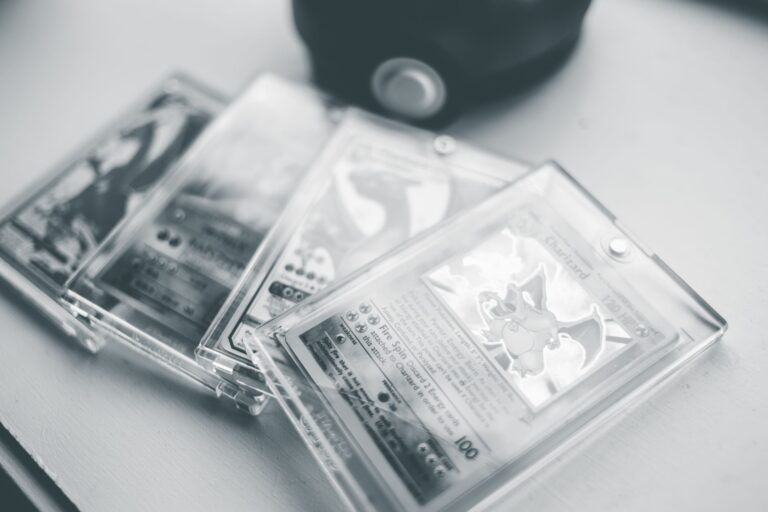
Once you have a graded PSA 9 card, the challenge shifts to keeping it that way. The slab itself is protective, which is the entire point, but you still need to think about how you store it. Sunlight will fade the card inside over decades. Extreme temperature swings can affect the slab’s seal. Humidity isn’t typically an issue with slabbed cards the way it is with raw cards, but you still shouldn’t store them in damp basements or humid closets. A common mistake collectors make is assuming the slab makes the card invulnerable. It doesn’t.
The slab protects against physical handling, but not against environmental factors or catastrophic damage. I’ve seen slabs crack from drops or pressure. If you’re displaying your card, use a proper card holder or frame that keeps it away from direct sunlight. If you’re storing it, keep it in a cool, dry place. The limitation here is real: you can do everything right and still have something happen. A house fire, flood, or break-in doesn’t care about your PSA 9 slab. For valuable cards, collectors sometimes use safe deposit boxes or specialized storage facilities. For an Energy Removal, that’s probably excessive, but it’s worth considering if you’re serious about preservation.
The Personal Narrative: Why Tournament-Won Cards Matter
There’s something different about owning a card you actually won with. It’s not just cardboard and ink—it’s a connection to a specific moment in your life. I can remember the tournament where I pulled that Energy Removal, remember using it in my deck, remember the feeling of that specific card making a difference in matches. That personal history doesn’t show up on the PSA label, but it’s there in how I look at the card.
This is worth stating clearly: the sentimental value often exceeds the market value for tournament-won cards. If you have a card like this, grading it makes sense not because you expect to profit, but because you want to preserve something meaningful. The PSA 9 slab serves as a time capsule, protecting a card that mattered to you. That’s a perfectly valid reason to grade, even if the monetary math doesn’t perfectly justify the cost.
The Broader Collecting Journey: From Tournament Staples to Preserved History
Collecting tournament-era cards has changed my understanding of what valuable means. It’s not always about rarity. An Energy Removal isn’t particularly scarce—it was printed in high volume as a Deck B staple. But a PSA 9 copy that has the provenance of tournament play? That’s more interesting. It represents a card that survived its actual use in competition and came out the other side in near-perfect condition.
This shift in perspective has shaped how I approach collecting now. I’m less interested in chasing the most expensive cards and more interested in preserving the cards that meant something. A PSA 9 Energy Removal won’t make me rich, but it reminds me why I started collecting in the first place. The future of card collecting, I think, belongs to people who understand this distinction—between cards as investments and cards as memories. The market will always price the rare holographics, but the stories belong to us.
Conclusion
The journey from winning a tournament with a Base Set Energy Removal to holding a PSA 9 slab took decades, but it fundamentally changed how I understand card collecting. This card was never going to be a high-value investment, but it became invaluable as a preserved piece of my collecting history. PSA 9 represents the standard for Mint condition—minor imperfections only—which is an appropriate grade for a card that actually saw competitive play. If you have tournament-era cards sitting in boxes or binders, the question isn’t whether to grade them for profit.
The question is whether preserving them matters to you. For cards like Energy Removal that are actively traded on the secondary market, grading can be worthwhile simply to protect something meaningful. The market for these cards is real and liquid, the grading process is straightforward, and the result is a card preserved in its condition with a verified grade. That’s enough reason to do it.