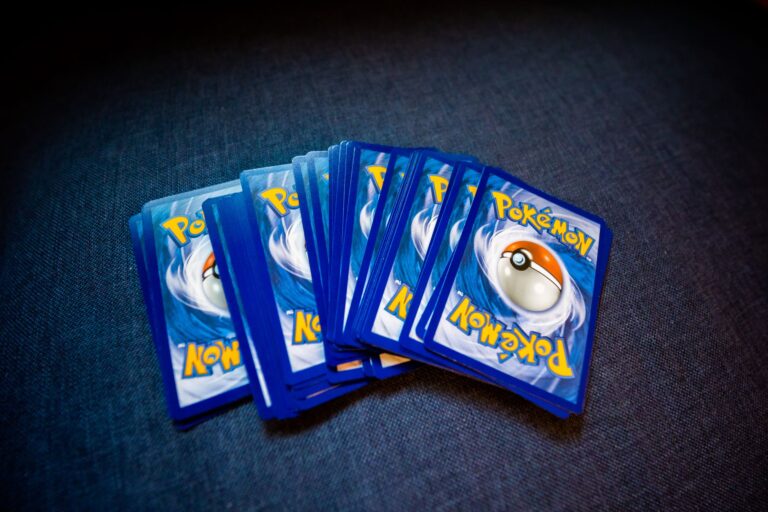
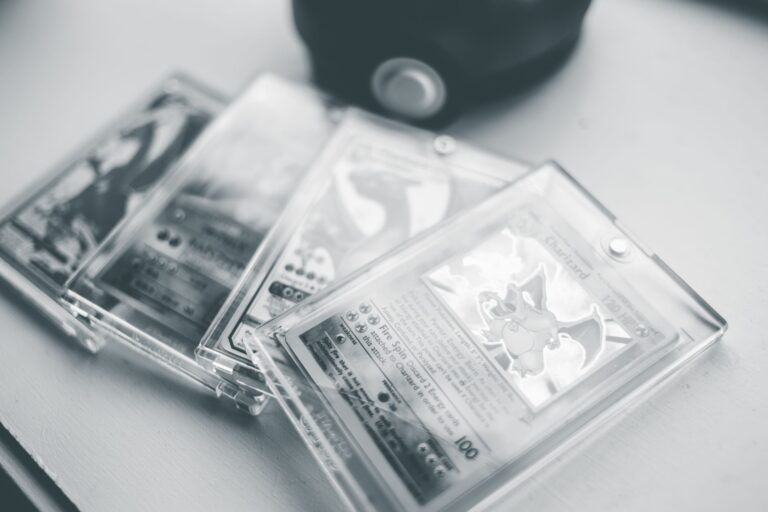
Collectors pursue scarce Pokemon cards featuring beloved characters because the combination of limited supply and recognizable appeal creates both emotional and financial value. When a card shows a popular Pokemon—especially first-generation favorites like Charizard, Blastoise, or Venusaur—and appears in only a handful of printings or conditions, collectors are willing to pay substantially higher prices than they would for identical characters in more abundant versions. This dynamic has driven some of the most expensive sales in the hobby, with a PSA 10 Charizard from the 1999 Base Set selling for over $300,000, despite Charizard cards existing in thousands of other copies worldwide.
The appeal works on two levels: nostalgia and tangible scarcity. A player who spent their childhood catching Charizard in Pokemon Red or Blue experiences genuine emotional attachment to the character. When that same collector learns a particular Charizard card was printed in only one regional edition or during a short run, scarcity transforms sentiment into investment. This isn’t hypothetical—it’s the engine driving price increases for first-edition shadowless cards, holographic misprints, and Japanese-exclusive early releases of universally recognized Pokemon.
Table of Contents
- Why Do Familiar Pokemon Command Premium Prices?
- The Scarcity Multiplier and Supply Constraints
- Regional and Print Variant Impacts on Familiar Characters
- Market Price Dynamics for Scarce Familiar Cards
- Psychological Factors and the Scarcity Bias
- Documentation and Authentication in High-Value Scarce Cards
- The Future of Scarcity in Pokemon Card Collecting
- Conclusion
- Frequently Asked Questions
Why Do Familiar Pokemon Command Premium Prices?
Familiar Pokemon hold value advantages over obscure species because they appeal to a much larger pool of potential buyers. A card showing Pikachu or Mewtwo instantly resonates with anyone who played the games, watched the anime, or collected cards in the 1990s. By contrast, a rare card of Grimer or Onix, no matter how scarce, has a narrower collector base—fewer people remember these characters, and fewer still want to own them. The market simply prioritizes characters that large numbers of people recognize and want to own. A concrete example illustrates this dynamic: a PSA 9 Base Set Blastoise from unlimited print sold for around $15,000 in 2021, while a PSA 9 Base Set Cloyster from the same era in similar condition sold for under $500.
Both are water-type cards from the same set and printing. The difference is name recognition. Blastoise was a popular final evolution and appeared prominently in the anime and games. Cloyster is competent but forgettable. When you’re selling a piece of cardboard, emotional connection matters more than mechanical attributes. This principle applies across the entire hobby: the most recognizable Pokemon consistently outpace obscure ones in both demand and price appreciation.

The Scarcity Multiplier and Supply Constraints
Scarcity acts as a multiplier on an already-popular character, concentrating value into a smaller number of actual cards. A Charizard from 1999 unlimited print might cost $200 in near-mint condition because millions of copies exist. A Charizard from the same year’s first-edition print, made in much smaller quantities, might cost $5,000 or more. The same character, similar age and condition—the difference is purely supply. This principle holds even for reprinted cards: a Charizard from modern special sets, printed within the last few years in quantities measured in millions, sells for $20 to $50, even though it’s the same character.
However, scarcity without demand is worthless. A first-edition card of an obscure Pokemon from 1999 might genuinely exist in only five copies worldwide, but if nobody wants to buy it, scarcity creates a prison rather than an investment. The formula requires both elements: the character must be recognizable enough that collectors want it, and the supply must be limited enough that want exceeds availability. Without demand, you’re holding a rare piece of nothing. Without scarcity, you’re holding one of millions and prices crater accordingly. Real value emerges only at the intersection.
Regional and Print Variant Impacts on Familiar Characters
Different regional versions and printing variants of the same popular Pokemon create tiers of scarcity that strongly affect price. Japanese first-edition cards from the 1996-1998 era are rarer than their American first-edition equivalents, which are rarer than unlimited printings. A first-edition Japanese Pikachu card commands exponentially more than an American Base Set Pikachu or a modern unlimited reprint, even though all three show the same beloved character. Collectors recognize these distinctions and pay accordingly.
Specific printing errors amplify this effect further. A Charizard with a holographic pattern error, misaligned text, or a printing defect that affected only a small batch becomes a subset of an already-scarce card. If that error-affected batch numbered only a few thousand cards globally, you’re looking at genuine rarity. Collectors of high-end Pokemon cards actively seek these variants because they satisfy multiple collecting motivations: owning a famous character, owning a scarce version, and owning a documented printing variant. The intersection of all three creates value far exceeding what a standard printing of the same card would achieve.

Market Price Dynamics for Scarce Familiar Cards
When a scarcely-printed popular Pokemon card enters the market, prices often spike based on demand outpacing available supply. In 2020-2021, several events converated: nostalgia from adults who collected in the 1990s, influencer attention on YouTube and TikTok, and supply chain disruptions that limited modern card availability all pushed demand upward. First-edition Base Set cards of popular Pokemon appreciated 300-500% in two years. A PSA 9 Charizard that sold for $12,000 in January 2021 might have brought $50,000 by December of the same year. But this dynamic cuts both ways.
If you buy into scarcity at the peak of hype, you absorb the downside risk. Cards that reached $100,000+ in 2021 sell for $30,000-$60,000 in 2024-2025 as the speculative bubble deflated. Even the most famous cards—Charizard, Mewtwo, Blastoise—experienced 40-60% corrections from their peaks. Condition matters enormously; a PSA 8 is worth substantially less than a PSA 9 of the same card, and the percentage gap widens at higher prices. If you’re buying scarce cards hoping for rapid appreciation, you’re speculating, not collecting. Historical data shows that cards held long-term (5+ years) tend to appreciate, but short-term trading based on scarcity hype often results in losses.
Psychological Factors and the Scarcity Bias
Collectors exhibit well-documented psychological biases around scarcity. When you know only 500 copies of a card exist, the card feels more valuable than one you suspect might be reprinted next year. This scarcity bias is real—it affects willingness to pay—but it’s also vulnerable to manipulation. Grading companies, resellers, and some publishers understand this and deliberately emphasize limited runs, special editions, and numbered variants to inflate perceived scarcity. A card labeled “limited run of 50,000” sells for more than an identical card labeled “100,000 printed” even though both represent real scarcity compared to mass-market cards. Be cautious of manufactured scarcity.
Modern special edition Pokemon sets released in the last 2-3 years often advertise “limited print runs” that still number in the millions. These aren’t genuinely scarce in any historical sense. They’re scarce compared to normal Base Set reprints but abundant compared to actual 1999 first editions. Many newer cards marketed as rare or exclusive will become common within 5 years as more copies surface from collections and sealed product opens. The oldest and truly scarce cards—those from the first few months of the TCG’s existence—are the ones with genuine long-term scarcity. Everything else is relative.

Documentation and Authentication in High-Value Scarce Cards
As prices for scarce familiar cards climb, authentication becomes critical. A first-edition Base Set Charizard worth $50,000 or more almost certainly needs professional grading from a recognized company like PSA, Beckett, or CGC. The third-party certification provides documented proof of condition, which directly affects price. An authenticated PSA 8 is worth significantly more than an ungraded card of unknown condition, even if you personally believe the condition matches. Buyers of expensive cards pay for the documentation as much as the physical card.
However, grading standards change and disagreement exists. A card graded PSA 8 in 2010 might be reslabeled as PSA 7 if submitted today, as graders adjust standards over time. BGC, a newer competitor to PSA and Beckett, sometimes grades cards differently than the established players, creating price uncertainty. Conversely, cards from early PSA grades (1990s) sometimes show inflation relative to modern standards. If you own a scarce high-value card, understand that the grading opinion is not permanent and could affect resale value.
The Future of Scarcity in Pokemon Card Collecting
The Pokemon TCG market continues evolving, with implications for how scarcity will function long-term. Newer sets are printed in vastly higher quantities than 1990s editions, and supply chain stabilization means fewer genuine bottlenecks. This suggests that true scarcity will become increasingly concentrated in older cards—the genuine first editions, Japanese imports, and regional variants from 1996-2000.
Modern special editions will appreciate primarily on nostalgia and character popularity, not scarcity, since newer cards will exist in quantities previous generations would consider abundant. For collectors focusing on tomorrow’s valuable cards, the lesson is clear: character popularity matters, but authentic scarcity from printing constraints and time passage matters more. Cards printed in 2024 in standard quantities will never achieve the scarcity profile of 1999 cards, no matter how beloved the character. The intersection of familiar character, genuine printing scarcity, and time creates value that speculative hype cannot replace.
Conclusion
Collectors pursue scarce cards of familiar Pokemon because both elements create value simultaneously—the character satisfies emotional attachment while the scarcity satisfies the investment instinct. Charizard, Pikachu, Blastoise, and other recognizable Pokemon command prices that transcend their playability or rarity alone; they command prices because large numbers of people want them and limited copies exist. This dynamic has proven consistent across decades of collecting.
If you’re collecting rather than speculating, focus on acquiring cards you genuinely want to own, while remaining realistic about scarcity. Authentic scarcity emerges from actual printing constraints, not marketing language. The most valuable scarce cards ten years from now will be the ones that combined character popularity with genuine supply limitations when they were printed. Everything else is timing.
Frequently Asked Questions
Why does a 1999 first-edition Charizard cost exponentially more than a 2010 reprint, even though it’s the same card design?
The 1999 version was printed in far smaller quantities during the TCG’s early months, making it genuinely scarce. The 2010 reprint was produced in millions of copies. Scarcity plus character recognition creates the price gap. Additionally, the vintage card carries historical significance as part of the original Base Set release.
Is a scarce uncommon card more valuable than a common modern card if both are the same Pokemon character?
Not necessarily. An uncommon scarce card from 1999 might be more valuable than a mass-printed common from 2023, but an uncommon just means it was less frequently pulled than commons in its original set—it’s not the same as rarity. The dynamics depend on actual production numbers, condition, and how recognizable the specific card art is.
Can modern special edition Pokemon sets ever achieve the scarcity of original Base Set cards?
Unlikely. Even limited print runs of modern sets still produce millions of copies. True scarcity emerges from historical printing constraints (1990s printing technology was less efficient) and time. A card printed today in a “limited” run can always be reprinted next year; a 1999 first edition cannot be reproduced in the same form.
If I buy a scarce Charizard now during a price spike, should I expect it to appreciate?
Not reliably in the short term. Historically, cards that spike in hype often correct 30-60% over the following 1-2 years. Long-term (5+ year) appreciation is more consistent, but it depends on condition, grading, and whether the card remains desirable. Buy because you want to own it, not because you expect rapid resale profit.
How does grading affect the value of a scarce, familiar Pokemon card?
Dramatically. A PSA 9 and PSA 8 of the same scarce card might differ by 50% or more in price. Grading provides documented authentication, which buyers of high-value cards require. However, grading standards shift over time, so a card graded in 2010 might receive a different grade if resubmitted today.
Are Japanese scarce Pokemon cards more valuable than American versions of the same card?
Usually yes, because Japanese printings were often smaller and earlier, making them genuinely scarcer. A Japanese first-edition Charizard from 1996 is rarer and commands higher prices than an American first-edition from 1999. However, character popularity still matters—both are more valuable than the same regional variant of a lesser-known Pokemon.