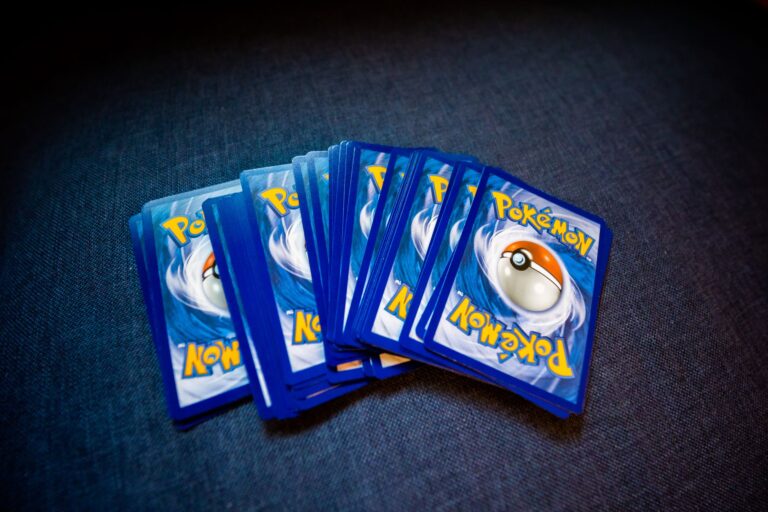
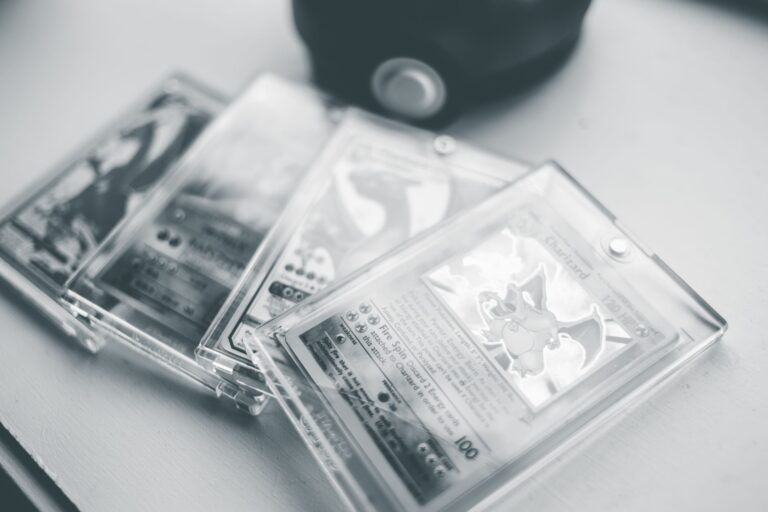
Finding value in Pokémon cards goes far beyond chasing big names like Pikachu or Charizard. The most profitable opportunities lie in undervalued modern rares that collectors overlook due to lack of hype, combined with emerging market trends that suggest significant appreciation potential through 2026. While legendary cards like the 1st Edition Charizard Holo remain the holy grail for collectors seeking maximum investment returns, the real value play today is in cards currently selling for under $15 that exhibit both strong artwork and mechanical power.
The Pokémon TCG ecosystem is worth $2.7 billion, with 9.7 billion cards produced in the previous fiscal year. This massive production volume creates both saturation and opportunity—while most cards won’t appreciate, the cards that do tend to reward collectors who understand grading mechanics and market psychology rather than brand recognition alone. Cards under $50 in raw condition are estimated to see 20-50% growth by the end of 2026, making this an ideal window for patient collectors to identify hidden gems.
Table of Contents
- Why Lesser-Known Cards Often Outperform Household Favorites
- How Grading Creates Market Stratification and Multiplier Effects
- Market Momentum and Recent Trending Patterns
- Building a Systematic Approach to Card Evaluation
- The Hidden Risk of Production Volume and Market Saturation
- Authentication and Condition as Competitive Advantages
- The Evolution of Value Dynamics as Sets Age
- Conclusion
Why Lesser-Known Cards Often Outperform Household Favorites
The Pokémon market rewards differentials between perceived value and actual scarcity or utility. Take Nidoking from the 151 set Illustration rare—available for approximately $15 due to lack of hype around the Pokémon itself—compared to mainstream names that command premium pricing simply from nostalgia. Similarly, Piplup’s Phantasmal Flame Illustration Rare sits under $15 with strong investment potential, while Team Rocket’s Houndoom (Destined Rivals) at roughly $13 offers exceptional value considering its detailed artwork and competitive power level.
The limitation here is recognizing that obscure doesn’t always mean valuable. A card can be undervalued for legitimate reasons—poor mechanics, awkward art direction, or genuinely limited collector interest. The key is distinguishing between cards ignored due to collector bias versus cards ignored because they lack legitimate appeal. Lucario VSTAR from Crown Zenith, for instance, remains shockingly undervalued at around $10, which represents a genuine arbitrage opportunity rather than a long-term sleeper.

How Grading Creates Market Stratification and Multiplier Effects
Grading transforms raw card values in dramatic ways. A PSA 10 grade can yield 150-300% value increases on the same card, while PSA 9 increases fall in the 80-150% range. This stratification matters because it means an undervalued raw card at $15 could theoretically reach $45-$60 after professional grading—a return that rivals stock market appreciation without the volatility. However, grading introduces multiple risks worth considering.
First, grading costs $10-25 per card depending on the service, turnaround time, and tier selected. Second, market conditions can shift between when you submit cards and when they return graded; a card you graded expecting to hit $50 might only fetch $35 if collector sentiment changes. Third, grading a card that deserves to be a PSA 9 but comes back as a PSA 8 creates a sunken cost scenario where you’ve spent money reducing the card’s perceived value. The 20-50% growth forecast for cards under $50 assumes optimal grading outcomes and doesn’t account for failed grades or timing misses.
Market Momentum and Recent Trending Patterns
Current market dynamics reveal which undervalued positions have genuine momentum. SIR Pikachu ex from Ascended Heroes started March 2026 at $480 and has climbed daily since—a card with obvious appeal that new collectors recognize. More notably, Mega Gengar ex from the same set has climbed in price nearly every week since the February 2026 release, driven by collector acknowledgment of Gengar’s tier-one status within competitive Pokémon circles.
The Perfect Order Set from March 2026 shows even more dramatic appreciation potential. Decidueye ex SIR was estimated at £200-400, while Lapras ex SIR ranged £250-450 with strong post-release velocity. These aren’t hidden gems in the traditional sense—they’re cards that gained recognition once collectors understood their combined aesthetic and competitive value. The lesson here is that value often precedes mainstream awareness by 2-4 weeks, creating a window where observant collectors can recognize quality before prices fully adjust.
Building a Systematic Approach to Card Evaluation
Beyond name recognition, evaluate cards using a framework that combines artwork quality, mechanical utility, and comparative pricing. A card with detailed, memorable artwork commands premium prices even at the same power level compared to generic alternatives. Team Rocket’s Houndoom exemplifies this—the artwork is distinctly compelling, and the card’s mechanics support competitive play, yet it remains underpriced at $13 relative to similarly positioned cards.
The practical tradeoff is between breadth and depth. You could collect a scattered portfolio of 20 different undervalued cards across various sets, distributing risk but reducing upside on any single position. Alternatively, you could concentrate on 3-5 cards you’ve thoroughly researched, potentially capturing more value if those specific cards appreciate but also risking deeper losses if your thesis proves wrong. Most successful collectors adopt a hybrid approach—a core position in 2-3 high-conviction cards like Piplup or Lucario VSTAR, with 5-10 exploratory positions spread across different mechanical roles and artwork styles.
The Hidden Risk of Production Volume and Market Saturation
The 9.7 billion cards produced in the previous fiscal year suggests significant supply across the market. While modern cards are still printed at lower volumes than 1990s base set saturation, the absolute production numbers create a ceiling on appreciation potential for most modern rares. A card like Nidoking might appreciate to $30-40 over 2-3 years, but reaching three-digit values requires either sudden competitive relevance shifts or extraordinary grading outcomes.
The warning here involves timing and holding periods. If you acquire undervalued cards with a 12-18 month appreciation horizon and the market stalls at 6 months, you face a choice between selling at marginal gains or holding through potential decline. The 20-50% growth forecast assumes you’re aligned with general market momentum and grading outcomes. Cards graded PSA 9 or lower from the 2026 release window might not appreciate as aggressively as projected if newer, superior-quality examples emerge in subsequent sets or if the market’s appetite for modern sealed product dampens collector demand for older stock.

Authentication and Condition as Competitive Advantages
Building conviction in undervalued cards requires understanding how condition directly translates to grading probability. A raw Lucario VSTAR sitting at $10 likely contains minor wear that might yield a PSA 8 (worth roughly $20-25) or a PSA 9 (worth roughly $30-35 depending on demand). Examining centering, corner quality, and surface texture before purchasing gives you better odds of successful grading outcomes and protects against overpaying for cards with hidden condition issues.
Authentication matters less for modern cards than vintage stock, but counterfeit operation sophistication increases yearly. Purchase from established dealers and TCGPlayer sellers with verification badges when possible, even if it costs slightly more than buy-it-now auctions from unknown sellers. The $2-3 premium on authentic modern cards is negligible compared to the risk of acquiring a counterfeit Lucario VSTAR or Piplup that becomes worthless after professional authentication.
The Evolution of Value Dynamics as Sets Age
Undervalued cards from 2025-2026 sets occupy a unique position in the market cycle. They’re modern enough that grading and condition variation still drives significant value multipliers, yet old enough that initial chaos has settled and fair pricing has begun to emerge. By late 2026 and into 2027, many of these cards will have established clearer baseline values, reducing the arbitrage opportunity that currently exists.
Forward-looking collectors should recognize that value discovery windows are temporary. Cards like Piplup, Nidoking, and Team Rocket’s Houndoom represent current opportunities that will likely normalize within 12-24 months as more collectors recognize their appeal. The market’s $2.7 billion ecosystem and ongoing new set releases ensure continued opportunity, but the specific cards undervalued today will be “obvious values” by next year, attracting competition that pushes appreciation curves higher and entry points lower.
Conclusion
Finding value beyond obvious Pokémon names requires systematic evaluation of artwork quality, mechanical utility, comparative pricing, and market momentum rather than relying on nostalgia or brand recognition.
The current market presents genuine opportunities in undervalued modern cards selling under $15, with grading mechanics offering 80-300% appreciation potential on successful outcomes and overall category growth of 20-50% estimated through 2026. Your action is to establish evaluation criteria before purchasing, allocate capital across both conviction positions and exploratory holdings, and move decisively once you’ve identified cards that align with your framework—because the value window in modern cards closes as awareness spreads and market prices normalize toward true value.