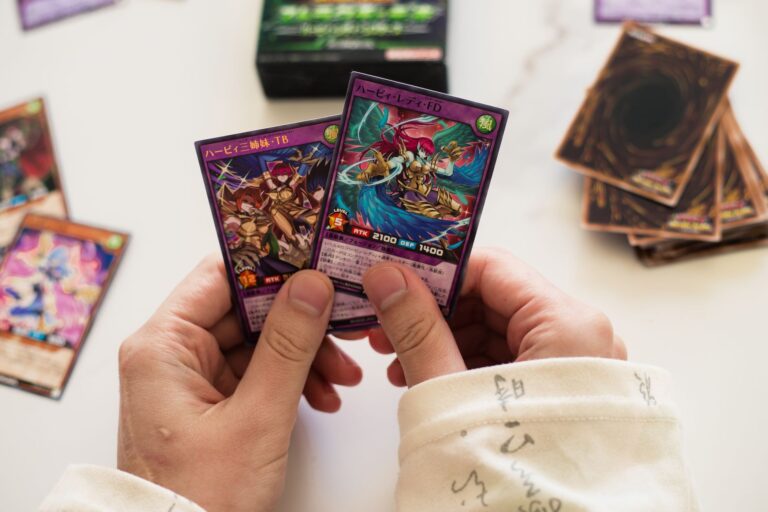
The card variant that makes Base Set feel fresh again is the XY—Evolutions expansion, which recreates the entire aesthetic and design of original Base Set cards while updating them for modern gameplay standards. Released during the XY era, Evolutions brings back the exact artwork, borders, and typography that defined the 1999 Base Set but printed on contemporary card stock with current mechanics. It’s nostalgia made playable again—not just a reprint, but a complete artistic homage that captures why collectors fell in love with Base Set in the first place.
Beyond Evolutions, the Pokémon Trading Card Game Classic Box Set (released in 2023) offers another way to experience Base Set variants with three 60-card decks featuring Venusaur, Charizard, and Blastoise in their original design glory. Together, these variants solve a real collector’s dilemma: you can own and use cards that feel authentically Base Set without tracking down increasingly rare and expensive original cards from 1999-2000. For many collectors, these modern variants are the sweet spot between authenticity and accessibility.
Table of Contents
- Why XY—Evolutions Became the Base Set Revival Collectors Wanted
- The XY—Evolutions Deep Dive: Limitations and Why It Matters
- The Classic Box Set and Modern Takes on Base Set Nostalgia
- Building a Collection: How to Choose Your Base Set Variant Strategy
- Watch Out for These Common Pitfalls With Base Set Variants
- Pricing and the Investment Angle for Base Set Variants
- The 30th Anniversary Context and What’s Next
- Conclusion
Why XY—Evolutions Became the Base Set Revival Collectors Wanted
XY—Evolutions succeeds because it committed to total visual fidelity with the original Base Set rather than trying to modernize it. Nearly every card in the expansion uses exact reproductions of original Base Set artwork—Charizard, Venusaur, Dragonite, Alakazam—alongside the classic border design and typography. The comparison is stark: other modern sets update the visual language, add new borders, or reimagine artwork entirely. Evolutions does none of that.
It simply takes 1999 art and presents it on 2014-era card stock with modern card attributes like Pokémon-EX versions of classic cards. The genius of this approach is that it satisfied two competing collector desires simultaneously. Vintage Base Set collectors appreciate the authenticity of the design without having to pay thousands for mint originals. Modern competitive players got legal, tournament-eligible versions of iconic Pokémon that actually work in contemporary metagames. A Base Set Charizard original can cost hundreds or thousands in good condition; an Evolutions Charizard costs a fraction of that and plays just as well in casual formats.

The XY—Evolutions Deep Dive: Limitations and Why It Matters
While Evolutions captures the aesthetic perfectly, it carries one significant limitation that collectors should understand: it’s not actually Base Set, so it doesn’t carry Base Set’s scarcity or the authentic historical weight. Cards are marked as XY—Evolutions in the set code, so experienced collectors can distinguish them immediately. This distinction matters for grading, where a first edition Base Set Charizard and an XY—Evolutions Charizard are in completely different valuation categories—sometimes differing by 10-50x in price for the same artwork. There’s also a practical concern with condition.
Evolutions cards were printed years after Base Set using modern manufacturing, which means they rarely show the wear, yellowing, or centering issues that characterize authentic vintage cards. While this makes them feel fresher and more playable, it also means they look noticeably newer under direct comparison. A collector building a “Base Set-inspired” collection needs to be comfortable with that distinction—these are homages, not substitutes, for original cards. The value proposition shifts from investment potential to playability and nostalgic display appeal.
The Classic Box Set and Modern Takes on Base Set Nostalgia
The Pokémon Trading Card Game Classic Box Set released in 2023 offers a different angle on Base Set recreation, bundling three 60-card preconstructed decks built around the three original Base Set starter Pokémon: Venusaur, Charizard, and Blastoise. Like Evolutions, these cards use original artwork and the classic card design, but they come in sealed, playable decks rather than as individual booster packs. This makes the Classic Box Set ideal for collectors who want to experience Base Set gameplay immediately without hunting for singles. The tradeoff here is flexibility.
You get guaranteed copies of certain classic cards, but you’re limited to whatever’s included in the three decks. If you want specific Base Set cards outside the deck lists, you still need to hunt for them individually. Some collectors view the Classic Box Set as a gateway product—it reintroduces them to base set-era gameplay and design, then they chase singles from Evolutions or original Base Set afterward. For casual collectors and players, though, it’s a complete package that doesn’t require investing in singles or worrying about condition and grading.
Building a Collection: How to Choose Your Base Set Variant Strategy
Collectors approaching Base Set variants face a practical decision: pursue original cards, XY—Evolutions singles, or the Classic Box Set, based on budget and intent. Original Base Set cards are the authentic choice but require significant investment—even common cards in decent condition can cost more than equivalent Evolutions cards. An unlimited Base Set Charizard in near-mint condition can range from $500 to several thousand dollars, while a similar Evolutions version typically costs $20-100 depending on condition and market timing.
The middle ground strategy is to mix formats: use Evolutions for high-value cards you want to actually play or display casually, and reserve original Base Set purchases for your absolute must-haves or investment pieces. Many collectors build “proxy collections” using Evolutions as placeholders while hunting for originals, then display originals once acquired. The Classic Box Set is best treated as a standalone purchase for someone new to Base Set or wanting sealed, playable nostalgia—not as a platform for building a larger collection, since the card selection is limited.
Watch Out for These Common Pitfalls With Base Set Variants
The most dangerous assumption is treating XY—Evolutions and original Base Set cards as interchangeable. Sellers sometimes mislead casual buyers by showing beautiful Evolutions photography without clearly stating the set. Always check the set code in the corner—Base Set cards will show “102/102” or similar notation without set markers, while Evolutions will explicitly state “XY—Evolutions.” Grading companies like PSA will reject mix-ups, and you could end up paying Base Set prices for Evolutions value.
Another warning: Evolutions had multiple print runs, and some batches show centering or quality issues. Because it’s a relatively older set now (printed in 2016), supplies have dried up in some cases, and remaining stock can show wear. If you’re buying graded Evolutions cards, verify the grading label carefully—there’s a big difference between a PSA 8 (light play condition) and a PSA 9 (near mint), especially at premium Base Set variant prices. Budget accordingly and don’t assume older is automatically better; newer Evolutions printings sometimes have better centering and condition than cards from earlier waves.
Pricing and the Investment Angle for Base Set Variants
XY—Evolutions pricing has stabilized over the years, making it predictable for collectors and players. Common cards typically cost $1-5 in pack-fresh condition, while rare holos range from $10-50 depending on the specific Pokémon and condition. Charizard is the expensive outlier—even in Evolutions, it commands $50-200+ for near-mint copies because the Charizard name alone drives demand. This is still dramatically cheaper than original Base Set Charizards, which start around $500 for comparable condition.
The Classic Box Set (2023) has maintained reasonable secondary market pricing, typically selling for $40-60 if you find sealed copies. Individual cards from these decks pull for less than equivalent Evolutions singles because the card pool is limited and less competitive. These aren’t investment-grade products—they’re for players and collectors who value the experience and nostalgia over resale potential. Original Base Set remains the only true investment vehicle among these options, but it requires significant upfront capital and patience.
The 30th Anniversary Context and What’s Next
marks the 30th anniversary of the Pokémon Trading Card Game’s original launch, and The Pokémon Company is leaning heavily into nostalgia with continued Base Set-inspired products and releases. While we don’t yet know exactly what anniversary products will look like, the pattern is clear: the market’s appetite for Base Set variants hasn’t diminished, and new variants keep arriving. Collectors should expect ongoing reprints and potentially new “retro” sets that continue this design philosophy.
The future likely includes both price stability and ongoing reprint waves for XY—Evolutions-style products. As original Base Set becomes increasingly scarce and expensive, the gap between vintage and variant cards will probably widen further. This actually strengthens the case for variants—they’ll remain the accessible entry point to Base Set aesthetics and gameplay for new collectors, while originals solidify their role as grail cards for serious vintage collectors. The variant market will continue to thrive because it serves a fundamentally different audience than the ultra-premium vintage segment.
Conclusion
The card variant that makes Base Set feel fresh again isn’t a replacement for authentic vintage cards—it’s an alternative that captures the design magic of 1999 while remaining playable, affordable, and accessible. Whether through XY—Evolutions booster packs, the Classic Box Set, or other retro-inspired releases, collectors now have legitimate options for experiencing Base Set’s unique aesthetic without needing thousands of dollars or years of hunting. The key is understanding what you’re buying: if you want authentic vintage with investment potential, pursue original Base Set. If you want affordable nostalgia and playability, variants deliver exactly that.
Start by deciding your collecting goals. Are you building a playable casual deck? The Classic Box Set or Evolutions singles are perfect. Do you want to eventually own original Base Set cards? Use Evolutions as a starting point while you hunt for your grail cards. Either way, Base Set variants have permanently changed the collector landscape, making one of the most iconic card designs ever created available to anyone who wants to experience it.