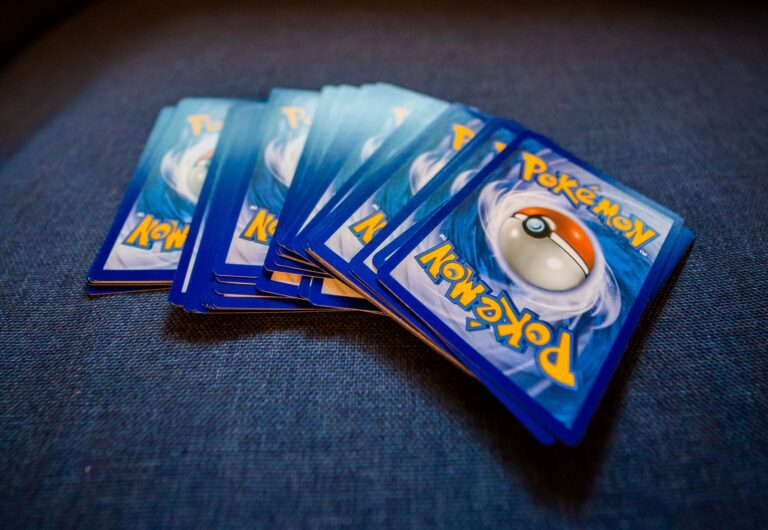
The smartest vintage Pokémon strategy isn’t about hunting rare holographic first editions or chasing the most expensive cards ever printed. It’s about understanding which cards actually hold value, play well, and remain accessible to collectors over time. While the hobby often feels dominated by chase cards and record-breaking auction prices, the most reliable path to building a valuable collection involves straightforward principles: buying quality cards within your budget, focusing on playable staples from influential sets, and holding what genuinely appreciates rather than speculating on hype-driven spikes.
Most collectors overthink vintage Pokémon investment. They chase every trending card, panic-sell during downturns, and overextend financially trying to complete unrealistic goals. The smarter approach is simpler: identify cards with genuine competitive history, stable demand across the collector base, and realistic growth potential based on scarcity, not sentiment.
Table of Contents
- Why Vintage Pokémon Strategy Beats Chasing Trends
- The Hidden Value in Playable Staples
- Building Around Sets That Matter
- Grading and Condition Strategy
- Psychological Pitfalls That Destroy Value
- Practical Example—The Base Set Holos Strategy
- The Future of Vintage Pokémon Collecting
- Conclusion
Why Vintage Pokémon Strategy Beats Chasing Trends
The fundamental difference between successful and frustrated vintage pokémon collectors comes down to research versus impulse. A strategic collector studies actual tournament history—which cards saw competitive play, which appeared in winning decks, and which remained relevant across multiple formats. Charizard cards command premiums not just because they’re famous, but because the Pokémon dominated early competitive play.
By contrast, cards that were hyped during recent viral moments often collapse in value once attention fades. Practical strategy means distinguishing between cards with structural rarity and cards that are rare because nobody wanted them. A Blastoise Base Set holo commands respect because millions played the TCG, millions wanted Blastoise, and millions of Base Set packs left that era with relatively few premium cards surviving in good condition. Compare that to a random first edition uncommon from a niche set—it might be rare in high grades, but without demand, rarity means nothing.

The Hidden Value in Playable Staples
Where most collectors go wrong is treating vintage Pokémon cards as pure collectibles, ignoring their function as actual game pieces. The cards that age best are the ones that remain useful. Machop, Pikachu, and trainer cards like Professor Oak and Item Finder see consistent demand because they’re used.
Cards that never had practical applications—novelties, artwork-focused cards, or mechanically weak Pokémon—rarely appreciate significantly. One critical limitation to this strategy: functional cards from common sets may stay affordable longer because supply remains plentiful in any condition. A heavily played copy of Mewtwo Base Set Holo might sell for $500 today, but lower-grade copies could take longer to appreciate than pristine art cards. Grading matters differently for different card types—strategic collectors adjust their expectations based on the card’s type and historical context.
Building Around Sets That Matter
The most durable vintage collections are built around sets that defined eras. base Set, Jungle, and Fossil defined competitive Pokémon TCG. Shadowless variants command premiums not from artificial scarcity but from being legitimately harder to find since they were distributed before the competitive boom.
1st Edition prints matter most from these sets because they’re tangibly different—lower print runs, earlier distribution windows, higher chance of reaching premium condition. By contrast, sets that were printed abundantly or appeared when the game was declining rarely recover value aggressively. Knowing which sets your target Pokémon appeared in becomes strategic. A Blastoise from Base Set is different from Blastoise from later sets—same card mechanically, but radically different collector demand and long-term value trajectory.

Grading and Condition Strategy
Vintage Pokémon cards experience a dramatic value floor difference at PSA/BGS grades of 8 and above. A card in that range crosses from “collectible item” to “investment asset” that attracts institutional collectors and serious dealers. This means your spending strategy should be intentional: either buy lower-grade playable copies for enjoyment at reasonable prices, or save aggressively to buy high-grade examples that justify their premium.
The tradeoff is simple but important. Spending $500 on a PSA 7 Charizard might let you enjoy a beautiful vintage card today, but it won’t likely double in value. Saving that same money until you can buy a PSA 8 might take time, but better cards appreciate because fewer exist at that quality level. Most successful collectors have a mix—some cards they buy for lower grades and enjoy, others they buy strategically at high grades as actual investments.
Psychological Pitfalls That Destroy Value
The biggest threat to vintage Pokémon strategy isn’t market dynamics—it’s your own decision-making. Panic selling during downturns destroys returns. Buying every trending card regardless of fundamentals destroys focus.
Holding damaged cards hoping they’ll eventually recover wastes opportunity cost. Watch for the specific warning that catches most collectors: assuming your condition assessment matches professional graders. A card you think is PSA 8 might grade PSA 6, immediately destroying any premium you expected. Similarly, never invest substantially in cards from ultra-recent hype cycles—the Pokémon Company can reprint, the competitive landscape can shift, and sentiment can evaporate overnight.

Practical Example—The Base Set Holos Strategy
Consider building around nine specific Base Set holo Pokémon: Blastoise, Venusaur, Charizard, Pikachu, Mewtwo, Raichu, Magneton, Arcanine, and Machamp. These are the cards with actual gameplay history, consistent collector demand, and proven price stability across market cycles.
Rather than chasing all 102 Base Set holos, focusing on these nine ensures you’re buying cards with genuine utility and collector interest. A collector who bought these nine in PSA 7-8 condition over the last five years would have seen steady appreciation—not explosive gains, but reliable growth. The strategy works because it’s based on fundamentals rather than speculation.
The Future of Vintage Pokémon Collecting
The vintage market is maturing. Early speculation frenzy has cooled, and prices are settling around actual scarcity and demand levels. This benefits strategic collectors because it means you’re no longer competing solely against hype. Cards now appreciate based on genuine scarcity, competitive history, and collector demand—exactly the factors strategic collectors prioritize.
The smartest collectors today are positioning for the next 10 years rather than the next 10 months. This means building focused collections of quality cards rather than scattered holdings of trending cards. It means prioritizing condition for cards that deserve it and accepting lower grades for playable staples. It means researching rather than reacting.
Conclusion
The smartest vintage Pokémon strategy succeeds because it’s straightforward. Buy quality versions of cards with genuine demand, understand which sets and eras matter, be intentional about grading investments, and avoid psychological traps that destroy returns. The collectors building the most impressive collections aren’t the ones chasing every trend—they’re the ones following proven principles with consistency.
Your next step: identify three to five key vintage sets or Pokémon that genuinely interest you, research their competitive history, and decide whether you’re building for enjoyment or investment. Then buy strategically within that focus. That discipline matters more than any individual card you could own.