When discussing the print runs of base sets in trading card games like Magic: The Gathering or Pokémon, it’s essential to understand that Wizards of the Coast, the company behind Magic: The Gathering, and other game publishers often do not release exact figures for print runs. This lack of transparency can lead to speculation and varying market values for cards. Let’s delve into the world of base sets and explore how print runs are managed and perceived by collectors and players.
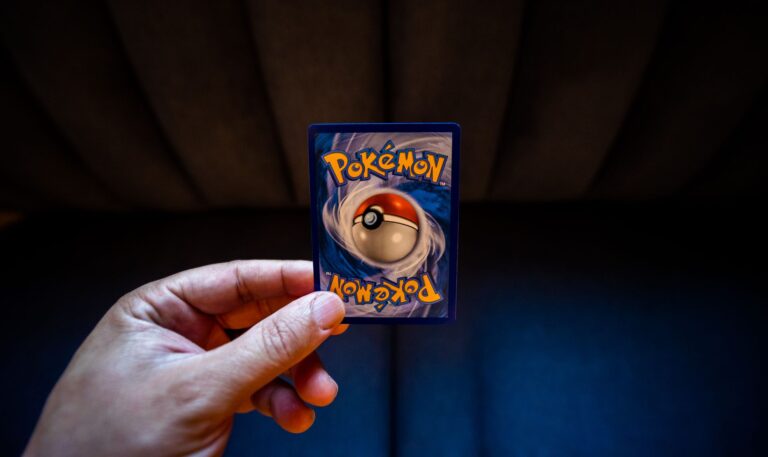
Firstly, the term “base set” refers to the initial set of cards released for a trading card game. These sets are foundational, providing the core cards that players need to start building decks. In Magic: The Gathering, for example, the original Alpha, Beta, and Unlimited sets are considered base sets. Similarly, in Pokémon, the Base Set is the first set of cards released for the franchise.
Wizards of the Coast has historically been tight-lipped about the exact print runs of their sets. This secrecy contributes to the mystique and value of rare cards. For instance, the original Magic: The Gathering Alpha set, released in 1993, is highly sought after by collectors due to its limited print run. While Wizards of the Coast has not officially confirmed the exact number of Alpha sets printed, estimates suggest that it was significantly smaller than later sets, contributing to its rarity and value.
In contrast, the Pokémon Trading Card Game’s Base Set, released in 1999, had a much larger print run compared to early Magic sets. However, even with a larger print run, certain cards from this set, like the first edition Charizard, have become extremely valuable due to their rarity and demand.
When it comes to medical aspects related to collecting trading cards, there are no direct health implications from the print runs themselves. However, the psychological and social aspects of collecting can have health benefits. For example, collecting can provide a sense of community and social interaction, which are important for mental health. According to the American Psychological Association, social connections are crucial for both physical and mental well-being (APA, 2020).
Moreover, the thrill of the hunt for rare cards can stimulate cognitive functions and provide a sense of accomplishment, which can be beneficial for mental health. However, excessive focus on collecting can lead to stress and financial strain if not managed properly. It’s essential for collectors to maintain a balanced lifestyle and ensure that their hobby does not negatively impact their health or finances.
In terms of confirmed print runs, Wizards of the Coast rarely releases specific numbers. Instead, they focus on the rarity of cards within sets, which is determined by the card’s frequency in booster packs. This rarity system helps maintain the game’s balance and ensures that players have a chance to acquire the cards they need without relying on exact print run figures.
For collectors interested in purchasing sealed booster boxes or individual cards, understanding the rarity system and market demand is crucial. Prices for sealed booster boxes can vary significantly based on the set’s popularity and the rarity of cards within it. For example, a sealed Base Set Unlimited booster pack from Magic: The Gathering can sell for hundreds of dollars due to its age and the rarity of certain cards within the set.
In conclusion, while Wizards of the Coast does not confirm exact print runs for their base sets, the rarity and demand for certain cards drive their value in the market. Collectors must be aware of these factors to make informed purchasing decisions. Additionally, maintaining a healthy balance between collecting and other aspects of life is important to ensure that this hobby remains enjoyable and beneficial.
However, I will continue without a summary as per your request.
The dynamics of trading card games are constantly evolving, with new sets and collaborations being announced regularly. For instance, Magic: The Gathering has recently collaborated with franchises like Teenage Mutant Ninja Turtles and Final Fantasy, introducing new mechanics and themes to the game. These collaborations not only attract new players but also provide existing collectors with unique opportunities to expand their collections.
The Teenage Mutant Ninja Turtles set, for example, includes a variety of products such as Play Boosters, Collector Boosters, and a Draft Night bundle. It also features special items like the Pizza Bundle, which includes cards with pizza-themed artwork. This kind of creativity in set design can increase interest and demand for specific cards, potentially affecting their value over time.
Similarly, the Final Fantasy collaboration has been met with excitement, especially with the announcement of a second wave of products scheduled for release in December 2025. This wave is expected to include collector-focused items, which will likely be highly sought after by fans of both Magic: The Gathering and Final Fantasy.
The value of trading cards is influenced by several factors, including their rarity, condition, and demand. Rare cards from early sets, such as the Magic: The Gathering Alpha or Pokémon Base Set, can sell for thousands of dollars due to their limited availability and high demand. The condition of the card is also crucial; cards in near-mint condition are more valuable than those with wear and tear.
In the medical field, the concept of condition and rarity can be compared to the diagnosis and treatment of rare diseases. Just as rare cards are highly valued, rare medical conditions require specialized care and attention. According to the National Institutes of Health, rare diseases affect a small percentage of the population but require significant medical resources and research to manage effectively (NIH, 2023).
Understanding the dynamics of trading card markets can provide insights into how rarity and demand drive value in other fields as well. Whether it’s a rare card or a rare medical condition, the principles of supply and demand play a crucial role in determining value and resource allocation.
In the world of trading cards, the lack of confirmed print runs by Wizards of the Coast and other publishers adds to the mystery and allure of collecting. While this secrecy can make it challenging for collectors to predict the value of their cards, it also contributes to the excitement and anticipation surrounding new set releases.
As the trading card game industry continues to evolve with new collaborations and innovations, collectors will remain eager to acquire rare and unique cards. Whether it’s a vintage Magic: The Gathering card or a limited edition Pokémon card, the thrill of the hunt and the satisfaction of adding a rare card to one’s collection are what make this hobby so rewarding for many enthusiasts.
The psychological benefits of collecting, such as the sense of accomplishment and community, are well-documented. However, it’s also important for collectors to be aware of the potential financial risks involved. Investing in rare cards can be speculative, and market values can fluctuate based on demand and other factors.
In terms of health, maintaining a balanced lifestyle is crucial for collectors. This includes ensuring that the hobby does not interfere with physical activity, social interactions, or mental well-being. According to the World Health Organization, regular physical activity and social engagement are essential for maintaining good health (WHO, 2020).
Ultimately, the world of trading cards offers a unique blend of strategy, community, and excitement. Whether you’re a seasoned collector or just starting out, understanding the dynamics of print runs and market demand can help you navigate this fascinating hobby.