
Pokemon cards have fundamentally outperformed basketball cards as an investment over the past two decades, delivering gains that dwarf traditional sports card returns. Since 2004, Pokemon cards have appreciated 3,821 percent—nearly eight times the S&P 500’s 483 percent growth over the same period. This isn’t a recent phenomenon either: over the past 20 years, Pokemon cards have surged 3,261 percent, and the momentum has only accelerated, with the Card Ladder Pokémon Index climbing 116 percent in the past year alone.
The comparison becomes even starker when you examine recent market dynamics. Basketball cards rely on volatile player performance, injuries, and scandals that can evaporate card value overnight. Pokemon cards, by contrast, are tied to a fictional universe where Charizard will never blow out a knee, retire early, or face a contract dispute that tanks collector demand. A Pikachu Illustrator card sold for $16.49 million on February 16, 2026—setting a Guinness World Record as the most expensive trading card ever sold—while the overall Pokemon card market continues posting 46 percent year-over-year growth as of January 2026.
Table of Contents
- Why Pokemon Cards Outpace Basketball Cards in Market Growth
- Long-Term Performance and the Structural Advantage of Timeless Characters
- Record-Setting Sales and Current Market Valuations
- Building a Pokemon Investment Portfolio Strategy
- Risk Factors and Grading Market Considerations
- Character Stability Versus Athlete Volatility in Market Value
- Market Projections and Future Investment Outlook
- Conclusion
- Frequently Asked Questions
Why Pokemon Cards Outpace Basketball Cards in Market Growth
The divergence in market growth stems from fundamental structural differences between the two collecting categories. Basketball cards depend on a finite pool of current and retired NBA players; their value fluctuates based on performance, draft outcomes, and career trajectories. pokemon cards, meanwhile, draw value from an ever-expanding fictional universe with new generations of creatures, new card variations, and new competitive formats that sustain collector demand across decades. PSA grading data illustrates this gap: in 2024, PSA graded 6.23 million TCG cards (dominated by Pokemon) compared to 9.10 million sports cards.
Despite lower absolute grading volume, Pokemon cards command significantly higher per-card valuations and growth rates. A basketball card that drops from relevance when a player retires stays dormant; a first-edition Base Set Charizard from 1999 remains perpetually relevant and appreciates as decades pass. The Umbreon VMAX Alt Art in PSA 10 condition, for example, was trading around $3,520 as of late February 2026—and these cards are less than five years old. The growth trajectory tells the story most clearly: Pokemon cards are rising 46 percent annually while basketball cards struggle to maintain double-digit appreciation. This compounds dramatically over time, which is why long-term Pokemon investors have seen exponential wealth creation while basketball card investors have watched their holdings stagnate.
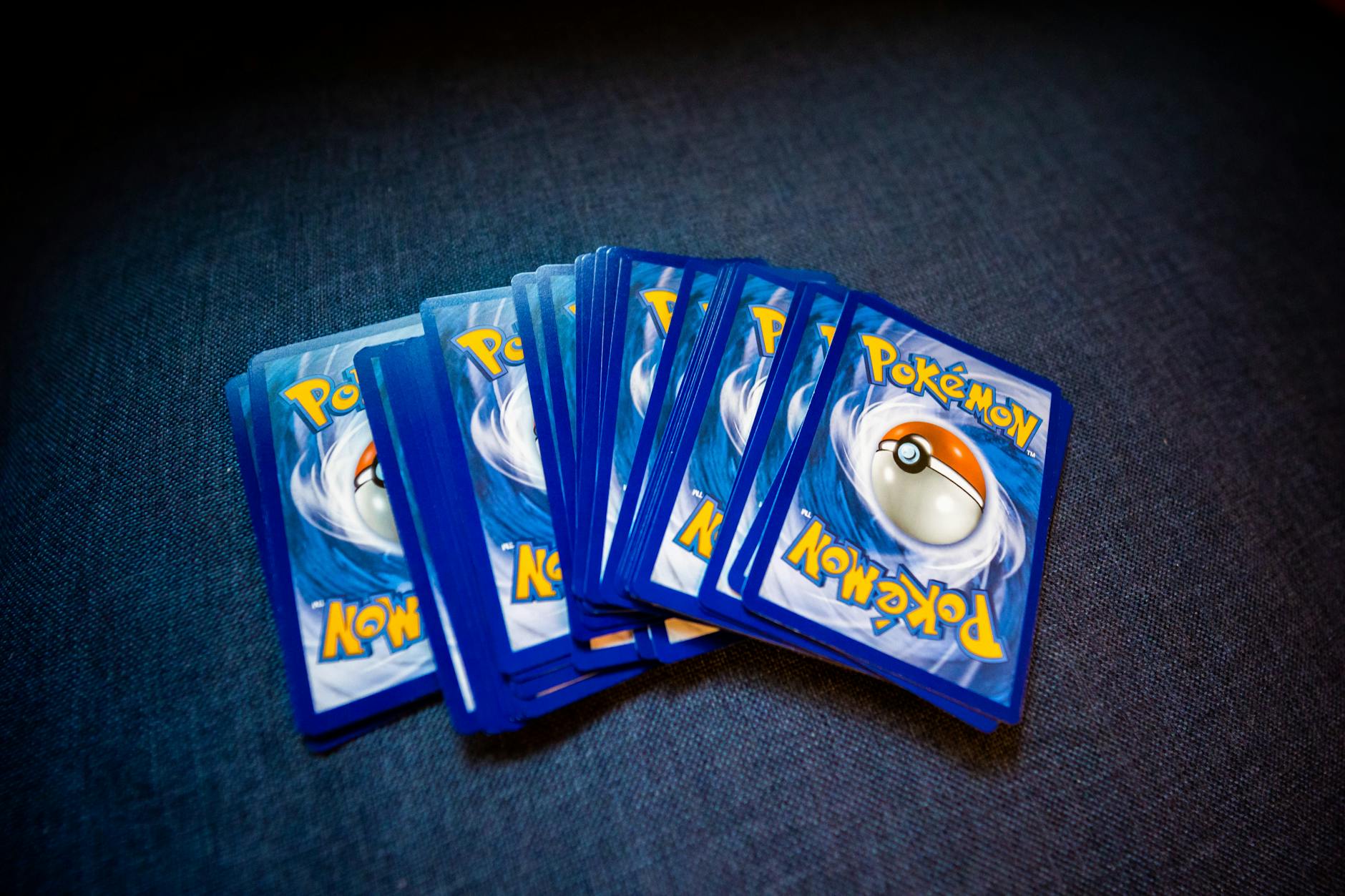
Long-Term Performance and the Structural Advantage of Timeless Characters
When you invest in a basketball card, you’re betting on a specific person to perform well in a sport. When performance stops, or scandal hits, the card crashes. A player diagnosed with a career-ending injury can obliterate your portfolio overnight. In 2019, Zion Williamson rookie cards exploded in value, then contracted significantly as injuries mounted—a pattern repeated countless times across the sports card market. Pokemon characters face no such risk; Pikachu will never retire, get injured, or face controversy that diminishes the card’s cultural significance. This stability creates a unique advantage for Pokemon as an investment asset class.
The franchise itself—the highest-grossing media franchise globally with $113.7 billion in total revenue—continues generating new content, new collectibles, and new reasons for both longtime and new collectors to acquire cards. A basketball investor must monitor injury reports and trade news constantly; a Pokemon investor benefits from a franchise that produces new generations of cards while simultaneously maintaining the collector demand for older, rarer cards. The warning here is not to underestimate the stability premium. Basketball cards offer higher drama and short-term volatility that some collectors find exciting. But that volatility cuts both ways: it can destroy 50 percent of your portfolio value when a star player suffers an injury or trade. Pokemon cards appreciate more steadily, compounding gains year after year without the existential risk that plagues sports cards.
Record-Setting Sales and Current Market Valuations
The most compelling evidence for Pokemon’s investment superiority appears in the auction market, where rare cards achieve valuations that basketball cards cannot match. The previously mentioned Pikachu Illustrator sale at $16.49 million represents the ceiling of trading card collecting, but prices far below that peak demonstrate sustained demand across the market. A Base Set Charizard 1st Edition in PSA 10 condition—the grade that most serious investors target—was trading in the $168,000 to $170,000 range as of 2026, following a Heritage Auctions sale at $550,000 in December 2025. Basketball cards do occasionally reach six-figure prices, but those sales remain rare, often tied to specific rookie cards or historically significant figures like Michael Jordan.
Pokemon cards achieve these valuations across a far broader spectrum: vintage base set cards, neo-genesis cards, and increasingly, newer cards from modern sets. The Umbreon VMAX Alt Art example demonstrates that even contemporary cards from sets released within the past five years command four-figure prices in top grades, whereas basketball cards from recent years typically max out in the low four figures unless they’re rookie cards of immediate NBA superstars. This pricing power translates directly to portfolio stability. When you hold Pokemon cards, you’re holding assets with documented auction comps at high price points and broad collector demand across multiple generations of collectors and demographics.

Building a Pokemon Investment Portfolio Strategy
A practical Pokemon card investment strategy looks different from basketball card collecting because Pokemon offers more options across different price points and print runs. Rather than chasing a single rookie card, Pokemon investors can build diversified portfolios targeting vintage first editions, holographic rares, sealed booster boxes, and graded modern cards with low print runs. The most accessible entry point is modern Pokemon cards from sets with intentionally limited print runs. These cards show 200 to 500 percent upside potential over 12 to 18 months, according to market analysis, particularly cards from sets like Evolving Skies that have already appreciated but retain collector demand.
More conservative investors can target base set cards—acknowledged classics that have appreciated for over two decades and show no signs of slowing. The risk-reward tradeoff here is clear: modern limited-edition cards offer explosive growth potential but carry higher variance, while vintage cards provide more stability with slower but more predictable appreciation. Grading becomes critical to realizing Pokemon card investment potential. PSA 10 graded cards command 2 to 5 times the premium over raw cards, meaning a card worth $500 raw might bring $1,000 to $2,500 in PSA 10 condition. This grading premium exists in basketball cards too, but Pokemon’s broader collector base and higher absolute prices mean grading decisions have more dramatic financial impact on your overall returns.
Risk Factors and Grading Market Considerations
The primary risk facing Pokemon card investors isn’t the Pokemon franchise declining—it’s market correction if grading volumes contract or if speculation-driven price inflation eventually corrects. The Pokémon market grew 116 percent in the past year, which is remarkable but also means some portion of current buyers may be chasing speculative returns rather than collecting cards for the long term. When speculative money leaves, prices can decline sharply, particularly in modern cards that lack the two-decade track record of vintage cards. Grading is both an advantage and a risk factor.
The explosion of grading services and grading volumes has supported price appreciation, but it also creates dependency on subjective grading standards. If PSA’s grading standards shift or if market conditions reduce demand for graded cards, the 2 to 5 times grading premium you’re banking on could compress. This risk exists in basketball cards too, but it’s magnified in Pokemon because the market is newer and less established. A vintage Base Set Charizard will remain valuable regardless of grading trends because of its historical significance; a modern Evolving Skies card’s value is more contingent on sustained collector interest and stable grading metrics.
Character Stability Versus Athlete Volatility in Market Value
The franchise stability advantage deserves deeper examination because it fundamentally separates Pokemon from sports cards. Charizard has been culturally significant since 1999 and will continue that role in 2050 because the character exists in a fictional universe immune to real-world disruption. Zion Williamson or any other basketball player exists in a fragile reality where injury, trade, personal scandal, or simply underperforming relative to draft expectations can permanently diminish card value.
This manifests in actual market behavior: vintage Pokemon cards from 1999-2002 that have survived intact almost universally appreciate because they’re anchored to lasting cultural IP. Vintage basketball cards, by contrast, are valued primarily by historical significance or rarity, not by ongoing franchise demand that constantly creates new collector interest. A 1986 Michael Jordan rookie card is valuable because Jordan was exceptional and the card is rare, not because new basketball fans discover Jordan’s cards and drive demand like they do with Pikachu.
Market Projections and Future Investment Outlook
Industry analysts project Pokemon graded cards will appreciate at 15 to 25 percent compound annual growth through 2035, assuming the franchise maintains its position as the world’s highest-grossing media property. This projection assumes no major market disruption, but the foundation is solid: the Pokemon Company continues releasing new sets, new games, and new anime content that sustains multi-generational collector interest. Basketball, meanwhile, operates within a single sport with finite players and a narrowing window where rookie cards matter.
The Pokemon card market is entering a maturation phase where prices are rising based on documented historical performance and fundamentals rather than pure speculation. Investors seeking to capitalize on this trend should expect 15 to 25 percent annual returns at minimum, with potential for higher returns on strategically selected cards—particularly those with favorable print runs and strong aesthetic or competitive gaming demand. This outlook assumes the franchise sustains its current trajectory, which historical evidence suggests is likely given the franchise’s cultural entrenchment and revenue scale.
Conclusion
Pokemon cards represent a superior long-term investment compared to basketball cards due to structural advantages that compound over decades: character stability insulates them from injury and scandal risks, the franchise’s cultural dominance supports sustained demand, and documented performance shows 3,821 percent gains since 2004. The recent Pikachu Illustrator sale at $16.49 million and ongoing appreciation of mid-tier cards like Base Set Charizards and modern Evolving Skies cards demonstrate that this isn’t a niche market but a mature investment category with documented price discovery and growing institutional recognition.
The path forward for investors involves understanding that Pokemon cards are appreciating assets with both growth potential and established demand. Whether targeting vintage base set cards for stability or modern limited-edition cards for growth potential, the Pokemon market offers more favorable risk-reward characteristics than basketball cards because it removes the volatility tied to athlete performance and reputation. Start by researching graded comps, understanding print run variations, and building a diversified portfolio anchored to cards with the longest appreciation track records and broadest collector demand.
Frequently Asked Questions
Should I invest in raw cards or graded cards?
Graded cards command 2 to 5 times the premium over raw cards, but this premium depends on stable grading standards and sustained demand for graded versions. Most serious investors buy graded cards from PSA, BGS, or CGC in PSA 9 or 10 condition because the documented sales comps are easier to find and the premiums more stable. Raw cards are riskier if you eventually want to sell at top-dollar prices.
Which Pokemon cards offer the best growth potential?
Vintage base set cards (1999-2002) like Charizard 1st Edition offer stability with proven 3,821 percent historical appreciation. Modern cards from sets with low print runs show 200 to 500 percent upside potential over 12 to 18 months but carry higher variance. Most investors diversify across both.
How do Pokemon cards compare to other alternative investments like precious metals?
Pokemon cards have demonstrated 46 percent year-over-year growth compared to gold’s 3-8 percent annual appreciation historically. Pokemon cards also offer collectible value beyond pure commodity pricing, meaning you can enjoy owning them while holding them as investments. The tradeoff is that Pokemon cards require market expertise to value correctly and sell efficiently.
What’s the biggest risk facing Pokemon card investors right now?
Market correction if speculative demand contracts. The 116 percent growth in the past year is exceptional and may not be sustainable. Additionally, grading capacity and standards could shift, compressing the 2 to 5 times grading premium that many investors depend on. Vintage cards insulate you from this risk better than modern cards.
Why haven’t basketball cards kept pace with Pokemon cards in appreciation?
Basketball cards depend on finite players, injury risk, career retirement, and trade disruptions that constantly reset demand. Pokemon cards are tied to a franchise with no injury risk, decades of cultural staying power, and new content continuously creating new collector entry points. The structural difference ensures Pokemon cards will continue outpacing basketball cards long-term.
Is this a good time to start investing in Pokemon cards given recent growth?
Any time is reasonable for building long-term positions, especially in vintage cards with proven appreciation and grading premiums. Modern cards are higher risk but higher reward. Consider dollar-cost averaging rather than making one large purchase, and focus on cards with documented sales comps and sustainable collector demand.
You Might Also Like
- Why Pokemon Cards Are a Better Investment Than YouTube Channels
- Why Pokemon Cards Are a Better Investment Than Wheat Futures
- Why Pokemon Cards Are a Better Investment Than Websites