
Pokémon GO events continue to offer meaningful rewards for players who actively engage with the game, making regular participation a worthwhile investment of time. The game’s event structure has evolved significantly since its 2016 launch, shifting from simple timed bonuses to complex, multi-layered reward systems that give dedicated players tangible benefits. For example, recent Community Day events have offered exclusive moves for evolved Pokémon, increased Stardust and XP gains, and encounter rates that allow players to collect specific Pokémon variants they might otherwise miss entirely.
The rewards aren’t merely cosmetic flourishes—they directly impact gameplay effectiveness and collection completion. Active players who participate in events gain substantial advantages in raid battles, gym competitions, and completing their Pokédex. The game’s event calendar has become dense enough that players can now find something happening almost every week, whether it’s a three-day regional event, a weekend-long spotlight hour, or month-long seasonal research tasks.
Table of Contents
- What Types of Event Rewards Does Pokémon GO Actually Offer?
- How Event Participation Affects Competitive Players and Collectors
- Specific Examples of High-Value Recent Events
- Comparing Event Rewards to Traditional Gameplay and Pay-to-Play Alternatives
- Event Reward Limitations and Common Pitfalls
- How Event Rewards Impact the Card Collecting Community
- The Future of Pokémon GO Events and Sustained Engagement
- Conclusion
- Frequently Asked Questions
What Types of Event Rewards Does Pokémon GO Actually Offer?
pokémon GO events distribute rewards across several categories: encounter-based rewards, item rewards, and gameplay bonuses. Encounter rewards put rare or region-locked Pokémon within reach during specific windows—a player in North America might encounter a Pokémon that normally only appears in Asia during a global event. Item rewards include Poké Balls, potions, incense, and eggs, all of which have genuine utility. Gameplay bonuses provide multipliers on Stardust gained (essential for powering up Pokémon), XP multipliers, and reduced egg-hatching distances.
The most valuable events combine multiple reward types. A recent example is the Lunar New Year event, which not only made specific Pokémon more common but also granted players double Stardust for catching Pokémon and featured free Premium Raid Passes. Stardust is the bottleneck resource for competitive players—you need hundreds of thousands to fully power up a team for Go Battle League—so a 2x bonus event can save weeks of grinding. However, the event calendar is competitive for player attention; if you miss a specific event window, some rewards may not return for months or at all.

How Event Participation Affects Competitive Players and Collectors
For players serious about raid battles or Go Battle League competition, event rewards can determine whether they have competitive-level Pokémon ready for crucial matchups. A player who participated in a Dragon-type event with 3x Stardust could power up multiple Dragon-type Pokémon to level 50, while a player who missed it would need several months of regular gameplay to achieve the same result. This creates a genuine advantage structure where consistent participation materially affects competitive outcomes.
collectors face a different pressure: events introduce new Pokémon variants, shinies, and regional forms that may only appear during their scheduled window. Missing a Pokémon Spotlight Hour featuring a shiny variant might mean waiting a full year for another opportunity, or accepting that you’ll never complete that particular collection subset. The downside is that relying heavily on events can feel obligatory—players report feeling pressured to maintain daily streaks and participate in specific time windows to avoid missing limited rewards. The game’s event schedule is dense by design, and players with limited time availability may find it impossible to capitalize on everything offered.
Specific Examples of High-Value Recent Events
The Pokémon GO Fest series exemplifies how far event rewards have come in scope and value. These annual festivals, held in major cities worldwide, offer exclusive Pokémon encounters, special research tasks, and item bundles that casual players might never access. A player who attended Pokémon GO Fest in person could encounter Pokémon that players attending virtually would miss entirely, creating genuine geographic inequality in reward access—though Niantic has progressively reduced these disparities.
Community Days remain the most consistent high-value events, occurring monthly with specific Pokémon featured at increased encounter rates for a three-hour window. During recent Community Days, featured Pokémon were available with exclusive charged moves that were only learnable during that window, and players could earn 6x Stardust for the three-hour period. A dedicated player could legitimately farm 1 million Stardust during a single Community Day, making it impossible for non-participants to keep pace without spending weeks grinding elsewhere.
Comparing Event Rewards to Traditional Gameplay and Pay-to-Play Alternatives
The comparison between free event participation and pay-to-play advantages has shifted significantly. A player who regularly participates in free events can now obtain nearly all competitive rewards without spending money, whereas in 2016-2017, a free player was substantially disadvantaged. This is partly because Niantic realized that unsustainable pay-to-win mechanics would kill the game’s longevity. However, players with disposable income still gain advantages through item purchases and raid passes—they can raid more frequently and acquire items faster than free players.
The tradeoff is time versus money. A free player participating in every event might need 6-8 hours per week to maximize rewards, while a paying player spending $10-20 weekly on raid passes and items could accomplish the same goals in 3-4 hours. For a Pokemon card collector interested in the game, the question becomes whether the time investment is manageable alongside card collecting. The answer depends entirely on your schedule and whether you view event participation as fun or obligation.
Event Reward Limitations and Common Pitfalls
A major limitation is that event rewards are time-gated and often announced with minimal notice. Niantic sometimes changes event schedules with only 24-48 hours warning, forcing players to adjust plans to participate. Additionally, not all events offer genuinely valuable rewards—some featured events provide mainly cosmetic items or Pokémon that don’t affect competitive viability. Players frequently report “event fatigue,” where the constant stream of limited-time rewards creates anxiety about missing out.
Another limitation is that event Pokémon are often available again in later events or seasonal rotations, undermining the sense of urgency. However, some event variants—particularly shiny forms or exclusive moves—can be permanently missed if you skip the event. There’s no reliable way to predict whether you’ll regret missing a specific event until weeks or months later. A warning: if you’re relying on events for specific Pokémon to complete a competitive team, research the event details carefully. Not all events guarantee encounters with featured Pokémon; sometimes they only increase spawn rates, meaning you still might not find what you need.
How Event Rewards Impact the Card Collecting Community
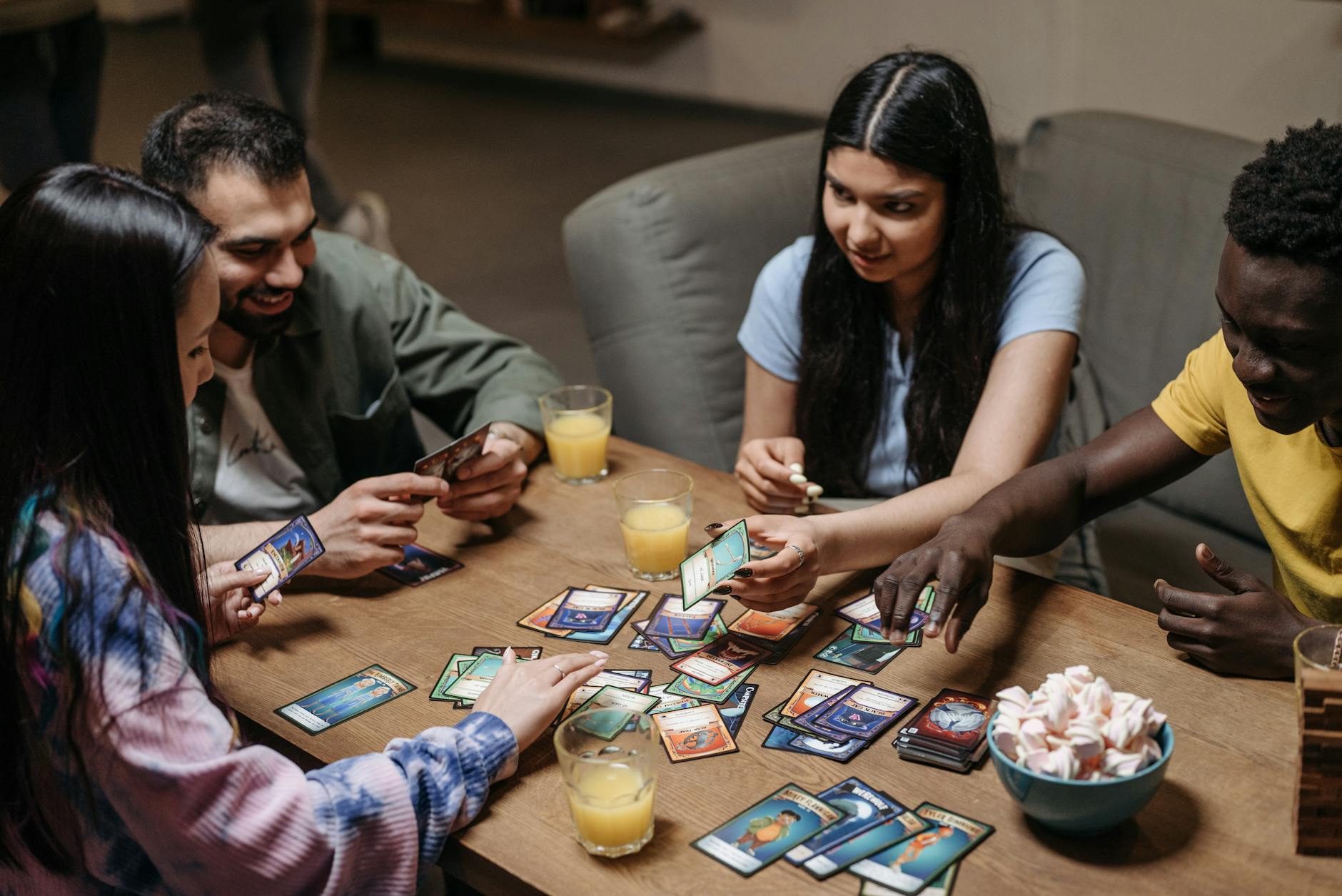
For Pokémon card collectors, GO events matter because they drive engagement with specific Pokémon, sometimes increasing demand for related cards. When Pikachu is featured in a major event, we typically see increased interest in Pikachu cards shortly afterward. Players who just caught a shiny variant during an event sometimes pivot to collecting cards of that same Pokémon, creating secondary demand waves. A concrete example: the Lunar New Year 2024 event featured dragon-type Pokémon prominently, and sales data showed corresponding interest spikes for dragon-type card variants.
The relationship goes both directions—Pokémon GO sometimes ties into broader TCG marketing initiatives. Limited-time GO events announce new card products, driving players toward the physical card game. This crossover is becoming more intentional, with Niantic and The Pokémon Company coordinating release schedules. For collectors, understanding the GO event calendar provides insight into which Pokémon will trend in the coming months.
The Future of Pokémon GO Events and Sustained Engagement
Niantic has committed to making events more predictable and less punitive for players with limited availability. The shift toward seasonal events lasting weeks rather than days has reduced pressure on players to participate at exact times. We’re also seeing more “choose your own adventure” event structures where players can select which encounters or bonuses they prioritize, rather than forcing participation in everything.
Looking forward, the integration between Pokémon GO and other Pokémon media will likely intensify. Events will probably tie more directly to card releases, anime releases, and other franchise content. For players balancing GO with card collecting, this convergence might make it easier to engage with both hobbies simultaneously, since events will increasingly matter to both communities rather than existing in separate spheres.
Conclusion
Pokémon GO events remain genuinely rewarding for active players, offering competitive advantages, collection opportunities, and seasonal variety that justify regular participation. The game has evolved away from punishing players who can’t participate constantly, making it more accessible while maintaining real value for those who do engage regularly. For card collectors interested in the game, events provide useful engagement points that don’t require extreme time commitment.
The key is approaching events strategically rather than trying to maximize every reward. Identify which event types align with your interests—whether that’s competitive gameplay, shiny collection, or casual entertainment—and participate selectively. The event calendar is full enough that you’ll never run out of opportunities, and skipping an event isn’t the permanent loss it once was. This makes Pokémon GO events a sustainable way to enjoy the franchise without the pressure of FOMO that initially plagued the game’s event structure.
Frequently Asked Questions
Do I have to spend money to get event rewards in Pokémon GO?
No. The vast majority of event rewards are available to free players. Paid elements like Premium Raid Passes and incubators can accelerate reward collection, but free players can still participate meaningfully in most events using free daily passes and items.
What happens if I miss an event?
It depends on the event. Most featured Pokémon return in seasonal events or future featured events within a year. Exclusive moves and shiny variants sometimes return, but not always. Some events are one-time only, particularly those tied to real-world locations or specific dates.
How much time do I need to invest to maximize event rewards?
This varies significantly by event type. A typical spotlight hour requires 1 hour of play. A full Community Day takes 2-4 hours if you want to fully maximize rewards. Multi-day events can be completed in 30-60 minutes per day if you focus on efficiency.
Are event rewards necessary for competitive play?
Event rewards provide significant advantages, but you can be competitive without participating in every event. Consistent participation in even 50% of events will keep you competitive, while 100% participation is closer to optimization for serious battlers.
Can I get event-exclusive Pokémon outside of events?
Occasionally, but it’s rare. Some event-exclusive Pokémon become available in later events or are added to regular spawn pools months or years later. Shiny variants and exclusive moves are almost never available outside their debut events.
Which events are the most worthwhile?
Community Days, Pokémon GO Fest, and seasonal events with 3x or higher Stardust multipliers are consistently the highest value. Spotlight hours are quick and easy to participate in. Limited-time featured events vary in value—check the specific rewards before committing your time.


