
Collectors are tracking value over time now more than ever before, and the data shows why. As the global collectibles market expands—valued at $321.24 billion in 2025 and projected to reach $467.31 billion by 2032 with a compound annual growth rate of 5.5%—serious collectors have moved beyond casual interest to systematic value monitoring. Whether you own a first-edition holographic Charizard or a PSA 10 graded base set card, knowing how your collection’s worth shifts is no longer just a hobby preference; it’s a fundamental part of collecting itself. The market for tracked collectibles spans far beyond what most people realize.
The toy collectibles segment alone is valued at $20.82 billion in 2026, with projections reaching $56.26 billion by 2035. This growth reflects an industry-wide shift toward quantifiable data and transparency. Collectors now have access to pricing indices, condition-based valuation systems, and historical price records that previous generations never had. A Pokemon card collector today can track exact sale prices for comparable cards, monitor trending metrics, and understand how their specific cards’ values compare to the broader market—something that was practically impossible just five years ago.
Table of Contents
- How Are Collectors Monitoring Card Values in Real Time?
- Why Condition Matters More Than Ever When Tracking Values
- What Do Market Indices Reveal About Long-Term Card Value Trends?
- The Shift From Speculation to Selectivity in Value Tracking
- The Risks of Overestimating Value Based on Limited Data
- How AI-Driven Platforms Are Changing Valuation Tracking
- The Long-Term Perspective on Card Values and Market Growth
- Conclusion
How Are Collectors Monitoring Card Values in Real Time?
The infrastructure for tracking collectible values has become remarkably sophisticated. The collectors Rare Coin Index, which tracks the average percent performance of 100 key U.S. coins, sits at 719.25% as of April 2026, demonstrating how indexed tracking works across collectible categories. Coins, stamps, autographs, and now increasingly trading cards all have their own tracking mechanisms. For Pokemon cards specifically, this means sold-listing databases, grading company pricing reports, and marketplace transaction records create a near-real-time picture of how values move. What makes this tracking possible is the convergence of data standardization and digital records. When a card is professionally graded—whether by PSA, BGS, or another service—it receives a specific condition grade and a permanent number.
That card’s sale history becomes part of the public record. A Charizard from Base Set in PSA 8 condition has a documented market history that collectors can access. Compare that card’s price from 2023 to 2025 to 2026, and you see the exact trajectory of value. This transparency benefits serious collectors but also creates pressure; they can no longer claim vague value estimates. However, relying solely on recent transaction data creates blind spots. A $10,000 sale in a private collection doesn’t always show up in public records. Sellers often list cards at inflated prices knowing they won’t sell at that level. The volume of sales at any given price point matters enormously—a single $50,000 transaction for a rare card shouldn’t move the entire market index if it’s an outlier with zero comparable sales.
Why Condition Matters More Than Ever When Tracking Values
Condition grading has become the primary language of value tracking, and the stakes are high. The difference between a PSA 9 and a PSA 8 can easily represent a 30-50% price difference for sought-after Pokemon cards. This means that when collectors track their collection’s value, they’re essentially tracking the precise condition state of each card. A card that slides from a 9 to an 8 doesn’t just lose value incrementally—in the minds of buyers and pricing algorithms, it drops to a different market category entirely. The 2026 collectibles market is seeing a dramatic shift in how condition affects value. In the collector car segment, premium-condition vehicles are expected to remain stable or appreciate, while cars in “good” and “fair” condition are drifting downward.
This trend mirrors what’s happening with trading cards: the market increasingly rewards near-perfection and punishes mediocrity. A moderately played Pokemon card from 1999 may have been worth $200 last year but only $150 now, not because the card itself changed, but because the market is becoming more selective. The warning here is stark: many collectors are discovering that their cards don’t hold value the way they assumed. A heavily played Base Set Blastoise, even if it’s rare, may lose value faster than a lower-grade card if the market shifts toward preserving only the highest-quality examples. This is particularly true for cards that aren’t in the elite rarity tier. The psychological reality of collecting—that your card will become more valuable over time—is becoming conditional on that card remaining in excellent condition or being genuinely scarce.
What Do Market Indices Reveal About Long-Term Card Value Trends?
Tracking indices provide the clearest picture of category-wide value movement. The rare coin market offers a useful parallel: at or near record high levels in 2026, the coin market shows that some collectible categories can sustain substantial value growth. However, the broader collectibles market tells a more cautious story. In 2025, global collector car values declined approximately 11% overall, with some individual vehicles losing 15-30% of their value compared to three years earlier. American muscle cars, a collectible category with passionate demand, saw value declines of 12%, exemplified by classic models like the 1965-1966 Ford Mustang GT. For Pokemon cards, this variance matters. Not all cards are appreciating.
Cards in steady demand—like the ultra-rare shadowless cards or first editions in high grades—generally hold value. But the broad middle tier of collectible cards is experiencing pressure. Cards that were “hot” in 2022 or 2023 may not command the same prices now. A card tracking index that measures the average price change of 100 representative Pokemon cards would likely show a smaller gain than many collectors expected, even though the rarest cards continue appreciating. The Asia Pacific collectibles industry is projected to grow at 8.6% from 2026-2033, which suggests regional differences in how values develop. Pokemon card markets in Japan, for instance, may follow different valuation patterns than North American markets, yet most tracking systems treat them as unified. Collectors need to understand that their index may not reflect their specific card’s market niche.
The Shift From Speculation to Selectivity in Value Tracking
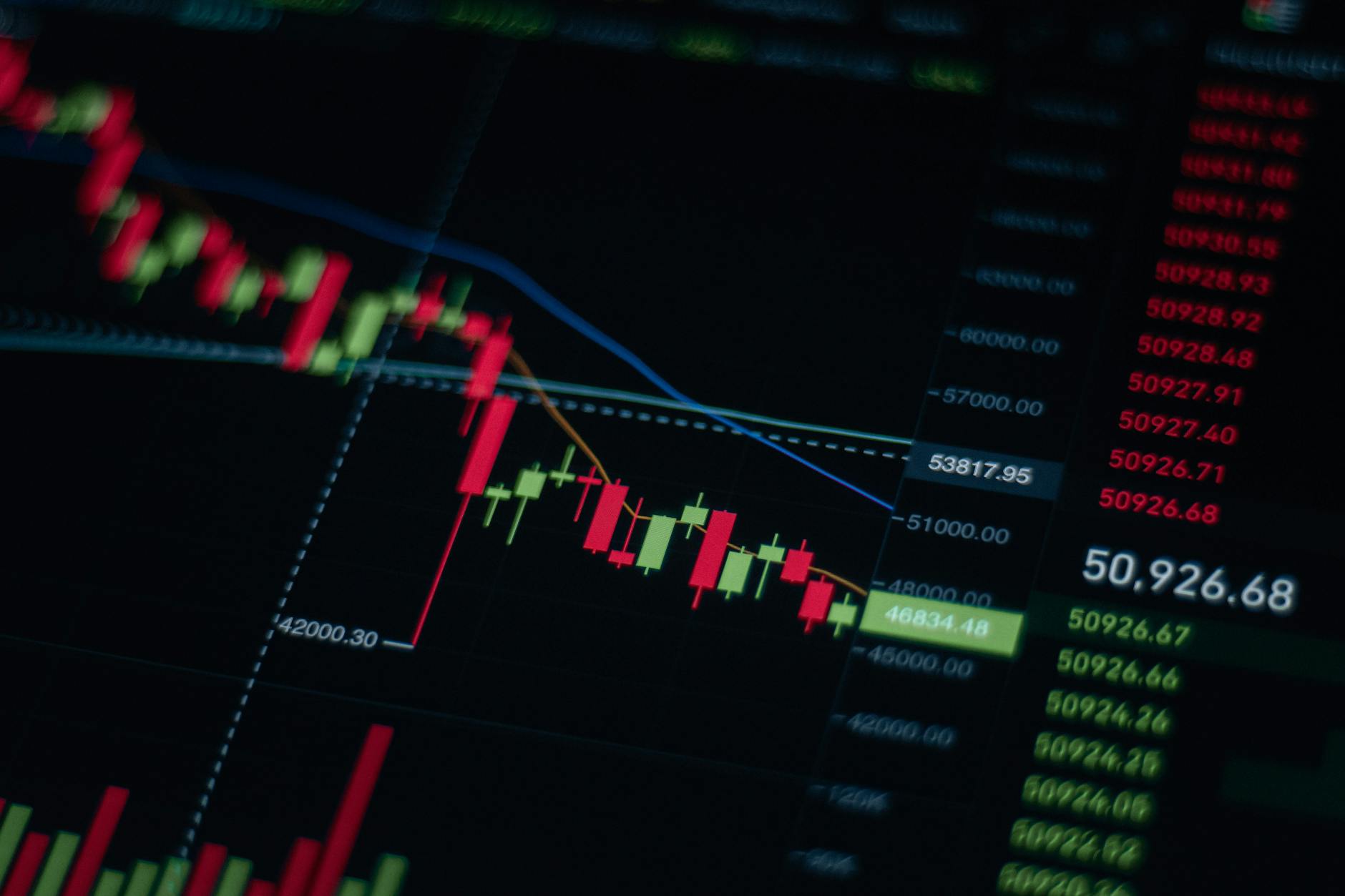
The collectibles market in 2026 is experiencing a fundamental recalibration. Where speculation once drove values—the idea that any old card might become valuable—the market now rewards selectivity. Collectors and investors are increasingly distinguishing between genuinely scarce cards and those that simply seemed rare when they were first released. This shift has direct implications for how collectors should track value. AI-driven valuation platforms are bringing tens of thousands of new participants into collectibles like coins, stamps, and autographs, and this technology is beginning to reach trading cards. These platforms analyze historical sales data, condition factors, rarity metrics, and market trends to generate real-time valuations.
The benefit is more precise, data-driven estimates. The risk is that algorithmic valuations can sometimes reflect speculation rather than actual market demand. A platform might estimate a card’s value at $500 based on pattern matching, but if only two people have bought that card in a year, that estimate is theoretical. Collectors who succeed in this new environment are those who differentiate between cards with genuine long-term demand and cards that are speculative. A first-edition holographic Venusaur in PSA 9 condition has a deep buyer pool and documented price history across years. A moderately rare promotional card, even if it’s graded well, may have weak demand and minimal tracking data. Smart collectors now track not just price history but also sale frequency and buyer diversity.
The Risks of Overestimating Value Based on Limited Data
One of the most dangerous aspects of value tracking is the temptation to treat sparse data as meaningful. If you see that a card you own sold for $3,000 once, somewhere, at some point in the past, that doesn’t mean your copy is worth $3,000. Volume and consistency matter far more than isolated high sales. A single collector paying premium price for a card they desperately wanted doesn’t create a market; it creates a data point. Condition degradation is another risk factor that tracking systems sometimes downplay. A card tracked at a certain price may be stored in a climate-controlled vault or may be sitting in a basement where humidity is fluctuating.
Over time, grading companies may re-evaluate that card and assign a lower grade. Some graders have tightened their standards in recent years, meaning cards graded as PSA 9 in 2020 might only receive a PSA 8 if re-graded today. This means the value you tracked can evaporate not because the market changed, but because the card’s actual condition was revealed to be different than you believed. The collectibles market’s recent volatility—with some categories declining 11% in a single year while others grew 8.6% regionally—shows that tracking value is not the same as predicting value. A card’s historical price trajectory doesn’t guarantee its future performance. This is especially true for cards in the middle tier of rarity and desirability, where demand is more fragile and subject to trend shifts.

How AI-Driven Platforms Are Changing Valuation Tracking
The emergence of AI-powered valuation platforms represents the most significant shift in how collectors track value since the internet made transaction history accessible. These platforms ingest thousands of sales records, analyze condition-to-price relationships, identify emerging trends, and generate valuations in real time. For a Pokemon card collector, this means potentially having a detailed, algorithmically-derived estimate of a card’s current worth within seconds. The advantage is democratization of data. A casual collector can now access valuation sophistication that was previously available only to dealers and serious investors.
The disadvantage is that algorithms are only as good as their inputs and logic. A platform trained on coin and memorabilia data may misapply patterns when it enters the Pokemon card market. It might overweight rarity and underweight nostalgia-driven demand, or vice versa. Collectors using AI valuations should treat them as reference points, not gospel. The platform says your card is worth $800, but if the last three comparable sales were between $550 and $650, you know the algorithmic estimate is optimistic.
The Long-Term Perspective on Card Values and Market Growth
As the global collectibles market continues its projected growth to $467.31 billion by 2032, Pokemon cards occupy an interesting position. They benefit from the market’s expansion and increasing sophistication, but they also face intensifying scrutiny. Cards that survive the next five years of selective market pressure—those that remain in high condition and retain genuine demand—are likely to appreciate. Cards that don’t meet those criteria may lose value or stagnate. The toy collectibles market specifically is projected to reach $56.26 billion by 2035 with an 11.68% compound annual growth rate, outpacing the overall collectibles growth rate. This suggests that toy-adjacent collectibles, including trading cards, have stronger long-term growth potential than some other categories.
Collectors tracking value should view this as a positive macro backdrop, but with the caveat that this growth will be unevenly distributed. The growth fuels demand for the best cards while potentially eroding value for common or moderately rare cards. Looking ahead to 2027 and beyond, collectors should expect valuation tracking to become even more granular and technologically sophisticated. Blockchain-based ownership records may become standard for high-value cards. Grading companies may offer more frequent re-evaluation options. Pricing data will become richer and more transparent. For collectors willing to engage seriously with tracking their collection’s value—monitoring condition, understanding their cards’ rarity tier, and avoiding speculation—the tools and market infrastructure exist to do so rigorously.
Conclusion
Collectors are tracking value over time because the market has matured enough to make tracking meaningful and necessary. The data is available, the infrastructure is robust, and the stakes are clear: a card’s condition and rarity tier determine its market category, and that category either appreciates, holds stable, or depreciates based on broader market conditions. The shift toward selectivity, the emergence of AI-driven valuation platforms, and the documented volatility in collectibles categories all point to one reality: casual assumptions about card appreciation no longer hold up.
The most valuable collectors are those who treat value tracking not as an exercise in optimism but as a practical assessment tool. Know your card’s condition grade, understand its actual rarity and demand level, and monitor its price history among true comparable sales. As the global collectibles market continues its projected expansion and the toy collectibles segment accelerates its growth, the opportunity for value creation exists—but only for collectors who track carefully and invest selectively.


