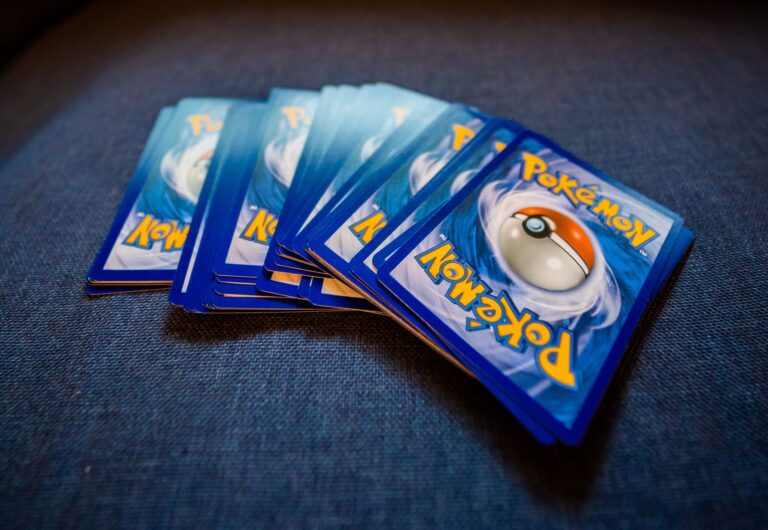
The most valuable Pokémon booster pack arts are primarily from the earliest sets released in the late 1990s and early 2000s, with Base Set boxes commanding prices that can exceed $10,000 per sealed pack depending on condition and print run. These early pack arts, particularly from 1st Edition Base Set and Shadowless variants, represent the intersection of nostalgia, scarcity, and historical significance in the Pokémon trading card game. A single sealed Shadowless Base Set booster pack can fetch prices upward of $8,000 at auction, while comparable 1st Edition packs regularly sell for $5,000 to $15,000 depending on condition.
The value of these pack arts extends beyond mere artwork aesthetics. The visual identity of early Pokémon booster packs became iconic precisely because collectors had little choice at the time—these were the only designs available, and production runs were substantially smaller than what followed in subsequent decades. The artwork itself, whether it featured Charizard, Blastoise, or Venusaur, became locked into cultural memory through limited availability and the natural degradation of most opened packs over time.
Table of Contents
- What Makes Base Set Pack Arts the Gold Standard of Pokémon Collecting?
- Early Japanese vs. English Pack Arts—Understanding the Market Split
- Neo Genesis and Neo Revelation—The Second Wave of Valuable Pack Arts
- Condition and Authentication—How to Evaluate Pack Art Value Before Buying
- Counterfeit Packs and Market Saturation—Warning Signs for Collectors
- Niche High-Value Arts—Misprint Packs and Limited Editions
- The Future of Pack Art Values—Market Trends and Collector Demographics
- Conclusion
- Frequently Asked Questions
What Makes Base Set Pack Arts the Gold Standard of Pokémon Collecting?
Base Set booster packs remain the foundation of high-value pack art collecting, and the reasons are both tangible and psychological. The 1st Edition stamp on the pack designation carries enormous weight in the market, as it indicates the pack came from the initial print run before production moved to unlimited releases. Shadowless variants, which preceded the 1st Edition run and feature no shadows behind the Pokémon artwork, are even rarer and command premium prices.
A Shadowless pack in Near Mint condition can cost two to three times more than a comparable 1st Edition pack. The artwork itself on Base Set packs featured clean, high-contrast designs that were distinctly different from later sets. The holographic foil patterns visible through the pack wrapper were a novel feature at the time, creating a shimmering effect that differentiated these packs visually on store shelves. However, a significant limitation exists: virtually all surviving Shadowless packs have some degree of wear, creasing, or discoloration on the wrapper, making truly pristine examples extraordinarily rare and expensive.

Early Japanese vs. English Pack Arts—Understanding the Market Split
Japanese booster packs from the earliest sets command different price points than their English counterparts, often creating confusion among collectors new to the market. Japanese Base Set packs, released in 1996, are significantly older and rarer than English versions from 1999, yet they sometimes sell for lower prices due to regional preference and collector population differences. A Japanese Base Set Shadowless pack might sell for $3,000 to $6,000, while an English equivalent could exceed $10,000 in similar condition.
The artwork on Japanese packs differs slightly from English versions, though collectors often overlook this detail. The Japanese designs were the originals, and English versions contained minor modifications to text and formatting. This technical distinction has little impact on visual appeal but matters enormously for market value. A critical warning: counterfeit Japanese vintage packs have flooded the market in recent years, making authentication from recognized grading companies essential before any significant purchase.
Neo Genesis and Neo Revelation—The Second Wave of Valuable Pack Arts
After Base Set’s dominance, the Neo Genesis and Neo Revelation sets from 2001 represent the next tier of valuable pack artwork, with pristine sealed packs selling for $500 to $3,000 depending on condition. These packs featured improved printing quality and more dynamic artwork compositions compared to Base Set, incorporating more varied pokémon representations across different pack editions. A 1st Edition Neo Genesis pack in Mint condition can fetch around $2,500, while unlimited versions sell for considerably less.
The Neo series marked a transition point where Pokémon Company production increased substantially, meaning more surviving packs exist compared to Base Set. This increased supply, despite the artwork’s quality, keeps Neo Genesis packs at a lower price tier than Base Set equivalents. However, the artwork itself—featuring clean, vibrant colors and well-designed holographic elements—appeals to collectors seeking quality vintage aesthetics without the extreme price points of Base Set variants.

Condition and Authentication—How to Evaluate Pack Art Value Before Buying
Assessing the condition of a vintage booster pack requires understanding grading standards that apply specifically to sealed wrappers, not just the cards inside. Mint condition packs have minimal creasing, even coloration, and no visible wear on the holographic foil visible through the wrapper. A single crease or discoloration can drop a pack from Mint ($8,000+) to Near Mint ($5,000-$7,000) pricing, making condition assessment critically important before negotiating prices.
Authentication from established grading companies like PSA (Professional Sports Authenticator) or BGS (Beckett Grading Services) adds significant value and credibility to a purchase, particularly for packs exceeding $1,000. Graded packs typically sell for 20 to 40 percent premiums compared to ungraded examples in similar condition, but this premium only applies if the grading company is recognized and the grade itself is documented consistently. The tradeoff is that grading costs between $50 and $150 per pack, which can be economically impractical for lower-value inventory.
Counterfeit Packs and Market Saturation—Warning Signs for Collectors
The market for valuable pack arts has unfortunately attracted sophisticated counterfeiters, particularly for Japanese vintage packs and high-value English releases. Counterfeit packs often feature subtle differences in wrapper quality, print clarity, or wrapper thickness that trained eyes can detect but which fool many collectors. A specific warning: packs listed with unusually low prices (20 to 30 percent below market rate) should trigger immediate skepticism, as this pricing often indicates counterfeit or resealed packs being liquidated quickly.
Resealing is a particular concern where an opened pack is meticulously rewrapped using period-accurate materials, creating a convincing fake sealed pack. Detecting reseals requires examining wrapper seams, adhesive residue, and the integrity of the holographic foil patterns. Advanced collectors sometimes examine pack weight using precision scales to identify resealed packs, since modern cards may weigh differently than original era products, altering the pack’s total weight.

Niche High-Value Arts—Misprint Packs and Limited Editions
Beyond the standard Base Set hierarchy, certain misprint and limited edition packs command exceptional premiums. Packs with inverted artwork, missing text elements, or other printing errors can fetch $5,000 to $20,000 if the error is documented and authenticated.
The Blastoise art misprint from the early Base Set run, where certain packs featured inverted card imagery visible through the wrapper, represents an extreme example of how rarity and visual uniqueness drive value in pack art collecting. Limited edition promotional packs and special releases like the Shining Legends box set editions have developed significant secondary market values, particularly for sealed examples. These packs, while not as old as Base Set, feature artwork that resonates with collectors seeking distinct visual designs alongside investment potential.
The Future of Pack Art Values—Market Trends and Collector Demographics
The market for vintage pack arts is experiencing demographic shifts as younger collectors with different spending power enter the hobby. Early 2000s sets like EX series packs are beginning to show price appreciation comparable to what Neo series experienced five years ago, suggesting a natural progression where each generation of older packs eventually gains recognition and value. This trend indicates future value increases may be more distributed across multiple sets rather than concentrated exclusively on Base Set.
Market saturation and authentication improvements will likely impact future pricing trajectories. As grading infrastructure becomes more robust and counterfeit detection improves, price volatility may decrease while authentic examples become more desirable. Collectors entering the market today should expect slower appreciation rates than historical returns, but genuine rarity will continue commanding premium valuations.
Conclusion
The most valuable Pokémon booster pack arts center on Base Set variants from 1999 and earlier, with Shadowless and 1st Edition packs representing the apex of collecting. These packs combine genuine scarcity from limited original production, strong historical significance as the foundation of modern Pokémon collecting, and distinctive artwork that defined a generation’s introduction to the franchise.
Prices for pristine examples have appreciated significantly over the past decade, with sealed packs regularly exceeding five-figure valuations. Before entering the pack art market, prospective collectors should prioritize authentication from established grading services, understand the substantial price premiums for condition gradations, and research individual pack history to avoid counterfeit and resealed products. The secondary market for these packs remains active and relatively liquid compared to other vintage collectibles, but building a collection requires both financial commitment and knowledge of authentication standards.
Frequently Asked Questions
What’s the difference between Shadowless, 1st Edition, and unlimited packs?
Shadowless packs preceded the 1st Edition run and feature no shadows behind the Pokémon artwork. 1st Edition packs include an official stamp indicating the first print run. Unlimited packs came later without the 1st Edition designation. Market prices reflect this hierarchy: Shadowless commands the highest prices, followed by 1st Edition, then unlimited.
Can opening a valuable pack ever be financially justified?
For packs valued above $2,000, opening is almost never justified financially, as the cards inside rarely compensate for the pack’s sealed premium. Lower-value packs under $500 might contain valuable individual cards, but the risk-reward calculation typically favors keeping sealed packs intact.
How do I authenticate a pack without professional grading?
Examine wrapper seams, holographic foil clarity and consistency, text printing quality, and overall wrapper material feel. Compare the pack against known authentic examples. However, for packs exceeding $1,000 in estimated value, professional authentication is essential to protect against sophisticated counterfeits.
Are Japanese packs worth collecting despite lower prices?
Japanese packs offer better accessibility for collectors with moderate budgets, feature original artwork designs, and are significantly older than English equivalents. Lower prices reflect regional demand differences rather than inferior quality or authenticity.
Which non-Base Set packs show the most promise for future appreciation?
Neo Genesis, Neo Revelation, and early EX series packs are showing steady appreciation as older Base Set packs become increasingly unaffordable for average collectors. These sets offer better value preservation potential than more recent releases.
What should I do if I suspect a pack is counterfeit?
Request high-resolution photos of specific details including wrapper seams, holographic patterns, and text clarity. Consult authentication forums on dedicated Pokémon collecting communities. For suspected counterfeits in secondary market transactions, document evidence and report to the selling platform.