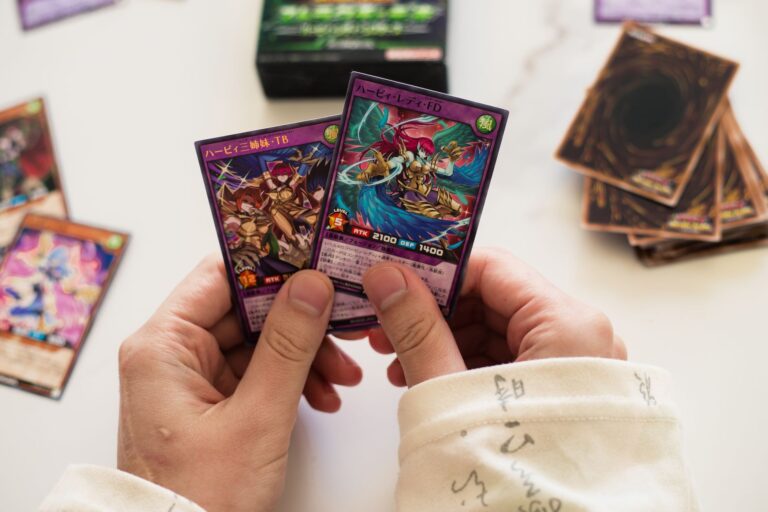
Several Pokémon card artists have achieved celebrity status within the collector community through their distinctive illustration styles and prolific contributions across decades of card sets. Artists like Ken Sugimori, Hasegawa Akira, and more recently Mitsuhiro Arita and Takumi Akabane, have built devoted followings who specifically seek out cards bearing their signatures. These artists didn’t gain fame through external media appearances or marketing campaigns, but rather through the consistent quality and recognizable visual signatures embedded in thousands of cards that circulated among players and collectors worldwide.
The path to artist fame in Pokémon cards differs significantly from celebrity culture in other industries. A collector might pay substantial premiums for a Charizard illustrated by a preferred artist, even when functionally identical versions exist illustrated by others. For example, Mitsuhiro Arita’s Charizard from the Base Set commands higher prices partly due to his reputation for dynamic composition and careful linework, qualities that collectors learned to recognize and value over years of exposure to his work.
Table of Contents
- How Do Pokémon Card Artists Build Recognition Among Collectors?
- The Role of Card Rarity and Artist Contribution in Valuation
- Specialist Artists and Visual Signature Development
- How Collectors Identify and Value Artist Work in the Secondary Market
- Authentication Challenges and the Risk of Misattribution
- Contemporary Rising Artists in the Collector Spotlight
- The Lasting Legacy of Early Artist Recognition and Future Trends
- Conclusion
How Do Pokémon Card Artists Build Recognition Among Collectors?
Most Pokémon card artists gain recognition through accumulated exposure rather than deliberate personal branding. A collector handling hundreds of cards over years develops an intuitive eye for an artist’s signature tendencies—the way they render shadow, their approach to composition, their consistent character interpretations. Artists who have illustrated fifty or more cards across multiple sets gain natural visibility, while those who contributed only to a single set often remain anonymous even if their work was exceptional. The signature printed on modern cards accelerates this recognition, but even unsigned work from older sets becomes identifiable through careful study and community discussion.
Consistency across decades plays a critical role in artist elevation. When ken Sugimori’s paintings appeared consistently across Pokémon cards from the mid-1990s forward, his visual style became almost synonymous with official Pokémon illustration standards. Collectors developed expectations about what a Sugimori illustration would deliver—particular attention to texture, proportion accuracy, and personality in character depiction. Over time, these artists function as quality guarantees, similar to how a collector might prefer certain photographers in sports cards based on their established aesthetic preferences.

The Role of Card Rarity and Artist Contribution in Valuation
A limitation in artist-based collector preference is that rarity often overshadows artistic reputation when determining card values. A common card illustrated by a celebrated artist typically sells for less than a rare holographic version of an identical Pokémon illustrated by a lesser-known artist. This creates a disconnect where an artist’s most devoted fans might seek out their work on low-rarity prints while general collectors prioritize set completion and card condition. For example, a collector might spend fifty dollars on a particular holographic Blastoise while passing on an ungraded version of the same Pokémon illustrated by a more renowned artist at a lower rarity level.
The artist attribution system itself has evolved, creating gaps in historical recognition. Many cards from the 1990s contain no artist signatures, making attribution difficult for contemporary collectors. This means some prolific contributors to early sets remain largely uncredited in public consciousness, while artists who began work when signature printing became standard achieved faster recognition. A collector discovering that their favorite early base set card was illustrated by an artist now celebrated might find it frustrating to learn that artist’s name only through detailed research, as the signature wasn’t included on the original print.
Specialist Artists and Visual Signature Development
Different artists became known for distinct specializations, with some achieving celebrity status specifically for full-art cards or special illustration treatments. Aya Kusube and Naoki Saito built devoted followings for their ethereal, character-focused compositions that emphasized emotion and personality over technical pokémon accuracy. Their full-art cards often feature unusual perspectives or artistic choices that divide the collector community—some view these as masterpieces of illustration, while others see them as departures from official Pokémon aesthetics. Mitsuhiro Arita, by contrast, became famous for hyper-detailed technical renderings where every scale, feather, and texture received meticulous attention.
The contrast between these approaches reveals that artist fame doesn’t correlate to universal appeal. A collector preferring Arita’s technical precision might dismiss Kusube’s work as overly stylized, while collectors seeking character and emotion might find Arita’s cards cold or overly focused on anatomical detail. This fragmentation means that artist fame operates within subsections of the collecting community rather than commanding universal recognition. An artist might be celebrated in forums dedicated to full-art cards while remaining relatively unknown among players focused on tournament-legal competitive decks.

How Collectors Identify and Value Artist Work in the Secondary Market
Identifying unsigned work requires developing visual literacy that many newer collectors haven’t cultivated. Online databases, community forums, and experienced collectors serve as references for attribution, but the responsibility falls largely on the buyer to research artist identities before purchasing. A collector hoping to complete a full collection of cards illustrated by a specific artist must cross-reference multiple sources, as no comprehensive official database lists all artist attributions. This creates friction compared to other collectibles where attribution is standardized and immediately visible.
The pricing premium for celebrated artists varies significantly based on card rarity and condition. A signed, high-grade card illustrated by Mitsuhiro Arita from a limited print run might sell for three to five times the price of a lower-grade version of an identical card, while an unsigned early Arita illustration might command only modest premiums over less notable contemporary work. This inconsistency rewards collectors who understand both artist reputations and the collector market dynamics that drive specific cards upward in value. Newer collectors often underestimate how much artist preference influences secondary market pricing, potentially overpaying for technically inferior prints while undervaluing exceptional artistic work on older, less-hyped cards.
Authentication Challenges and the Risk of Misattribution
As artist-illustrated cards have gained collector attention, misidentification has become a genuine problem within the community. Community members occasionally propose incorrect attributions for unsigned cards, and these misidentifications sometimes persist through repeated reposting across social media and forums. A card incorrectly attributed to a famous artist can circulate with inflated value propositions before experienced collectors notice the error. This means that collectors paying premiums for cards based on supposed artist attribution should verify claims through multiple sources rather than accepting attributions at face value, particularly for older unsigned cards where confusion is most common.
The lack of official comprehensive artist attribution databases also means that disputes about artist identity occasionally emerge within the collecting community. Professional illustrators sometimes post historical information about their own work, resolving ambiguities that had persisted for years. However, some artists have remained relatively private, neither confirming nor denying attributions, leaving their complete body of work somewhat unclear. Collectors investing in artist-specific collections accept some risk that future information could reclassify certain cards differently than presently believed.

Contemporary Rising Artists in the Collector Spotlight
Modern special sets have introduced new artists to the collector community, some of whom have rapidly achieved devoted followings despite brief catalogs. Artists commissioned for special illustration treatments in newer sets often find their work instantly elevated compared to the decades-long accumulation required by earlier artists. For instance, contemporary artists creating Pokémon Illustrator cards or special anniversary releases have built substantial fan bases within months, demonstrating that artist fame can now be accelerated through curated exhibition rather than requiring decades of anonymous contribution.
The rise of social media has created direct connections between artists and collectors that earlier generations never experienced. Contemporary artists can engage with fan communities, announce their card appearances in advance, and build personal brands independent of the Pokémon Trading Card Game itself. This represents a fundamental shift from earlier eras when collectors might admire an artist’s work without knowing anything about their identity, background, or artistic philosophy.
The Lasting Legacy of Early Artist Recognition and Future Trends
As the Pokémon Trading Card Game matures, early artists who have already achieved legendary status continue gaining recognition alongside newly celebrated contemporary illustrators. The collector community has developed sophisticated enough appreciation for artistic technique that artist reputation now functions as a genuine collecting criterion alongside set rarity, card condition, and character popularity. This may influence future Pokémon card production, as publishers recognize that highlighting artist contributions could drive additional collector engagement and premium pricing.
The future likely involves even more explicit artist branding and curation, with special series dedicated to individual artists or artistic styles becoming more common. Collectors seeking cards by specific artists have demonstrated willingness to purchase outside traditional competitive-format sets, suggesting that strategic artist-focused releases could represent significant market opportunities. As artist recognition deepens, the illustrators who established their reputations decades ago through anonymous contribution may find their early work reconsidered and revalued as art historical artifacts rather than merely functional game components.
Conclusion
Pokémon card artists who achieved famous status within the collector community did so through decades of consistent, recognizable work that accumulated fans organically as collectors developed visual literacy and personal preferences. Artists like Mitsuhiro Arita, Ken Sugimori, and others became synonymous with quality and distinctive artistic vision, influencing card values and inspiring devoted subcommunities of collectors who specifically pursue their illustrated work. The path to this recognition typically required both prolific contribution and the development of a visually distinctive style that collectors could identify across many cards.
For collectors interested in building artist-focused collections or understanding the artistic dimensions of their cards, the primary step involves studying signed and attributed work to develop familiarity with different illustrators’ visual signatures. Resources like community databases, forum discussions, and published interviews with artists provide attribution context for both signed and unsigned cards. As the collector market continues maturing and artists receive more explicit recognition from publishers, understanding artistic reputation may become as important as understanding rarity grades and set hierarchy in the broader collecting landscape.