
Pokemon cards are a better investment than water rights for individual collectors and speculators seeking rapid appreciation and clear exit opportunities. While water rights represent a slow-moving, regulation-dependent asset class that primarily benefits institutional investors and long-term capital allocators, Pokemon cards have demonstrated explosive growth—with the Card Ladder Pokemon Index surging 116% over the past year and average cards rising 46% year-over-year as of January 2026. The February 2026 sale of Logan Paul’s PSA 10 Pikachu Illustrator for $16.49 million exemplifies the speculative power and mainstream momentum behind collectible cards, a phenomenon water rights simply cannot match.
The fundamental difference lies in market mechanics. Pokemon cards trade on transparent secondary markets (TCGPlayer, Cardmarket, Heritage Auctions) with real-time pricing, global liquidity, and accessible entry points starting under $10. Water rights, conversely, are illiquid assets traded in fragmented regional markets, controlled by agricultural and municipal interests, and subject to unpredictable regulation. Even though institutional players like Bill Gates and BlackRock have committed billions to water infrastructure, their participation actually restricts individual investor access while Pokemon cards have democratized collectible investing through grading services, mobile apps, and e-commerce platforms.
Table of Contents
- How Fast Can Your Money Actually Grow in Cards vs. Water?
- The Scarcity Engine: Why Printed Cardboard Beats Hydrolic Rights
- Comparing Real Returns: The $16.5 Million Pikachu vs. Institutional Water Plays
- Liquidity and Speed: How Quickly Can You Actually Exit?
- Volatility, Regulation, and Black Swan Risk
- Accessibility and Entry Points for Individual Investors
- The Future Outlook—Which Asset Will Compound Better?
- Conclusion
How Fast Can Your Money Actually Grow in Cards vs. Water?
pokemon cards have crushed water investments in pure appreciation velocity. The market expanded from an estimated $52.1 billion globally in 2026 to a projected $90.2 billion by 2034—a 73% gain over eight years (7.1% compound annual growth rate). More strikingly, specific card segments have performed dramatically better: the entire trading card market has grown 3,800% since 2004, meaning a $1,000 investment in the right cards two decades ago would be worth $39,000 today. Water infrastructure and rights, while also expanding—from $69.6 billion to $109.8 billion by 2034—is growing at a slower 5.2% CAGR and benefits primarily institutional holders with existing capital positions.
The real advantage is the multi-year spike in Pokemon specifically. The 116% increase in the Card Ladder Index over a single year dwarfs annual water sector gains. Even water’s 72% of organizations planning to increase spending by up to 50% in 2026 sounds impressive until you realize it’s distributed across years and locked behind regulatory approval, environmental assessments, and infrastructure development timelines. A Pokemon collector who graded a condition-sensitive card in 2020 could have seen it quintuple. A water rights buyer holding for the same period would be waiting on municipal approval and climate policy shifts that may never materialize.

The Scarcity Engine: Why Printed Cardboard Beats Hydrolic Rights
Pokemon card value rests entirely on artificial, permanent scarcity. Once the Base Set Charizard was printed in 1999, no new copies could be created. Grading services like PSA assign immutable grades that are independently verified and encased in tamper-evident holders. This creates a hierarchy where a PSA 10 card is objectively different from a PSA 9, justifying massive price premiums. A PSA 10 Base Set Charizard commands $100,000+; a PSA 9 of the same card might cost $30,000. Water rights, by contrast, are boundless and renewable. New water discoveries, recycling technology, desalination, and regulatory reallocation constantly expand or shrink the “supply” in unpredictable ways.
California’s water rights have been repeatedly restructured by drought, interstate compacts, and federal legislation—meaning an investment that looked sound in 2010 might be worthless by 2015. The limitation of Pokemon cards as an inflation hedge is real: they’re vulnerable to cultural obsolescence. If a new card game entirely replaces Pokemon in cultural consciousness, the $16.49 million Pikachu card becomes a curiosity rather than a blue-chip asset. Water, conversely, will always be necessary—but that necessity creates regulation risk instead. A dam project that seemed economically sound becomes a climate sacrifice zone. Agricultural water rights in the American West are being stripped away to supply growing cities. Individual investors have no control over these macro policy shifts, whereas Pokemon card holders can at least diversify across different sets, eras, and grade levels.
Comparing Real Returns: The $16.5 Million Pikachu vs. Institutional Water Plays
The most concrete comparison is direct return measurement. Logan Paul purchased the PSA 10 Pikachu Illustrator for $16.49 million in February 2026. If he’d bought it five years earlier at $1 million (a realistic 2021 price), his return would be 1,549%—in five years. Over the same period, an institutional water infrastructure fund tracking the $69.6 billion market would have returned roughly 20-30% annualized at best, limited by boring dividend yields and steady-state infrastructure returns. The Pikachu outperformed by orders of magnitude. However, this comparison contains survivorship bias.
Most Pokemon cards do not become eight-figure collectibles. A 2020 investment in bulk modern Pokemon cards (Sword & Shield era commons) would likely show 100-300% returns, which is respectable but not $16.49 million. Water infrastructure funds, despite lower peak returns, show more consistent 6-10% annual returns across holdings. For a retiree seeking stable income, water dividends are superior. For a speculator with capital to risk, Pokemon cards offer asymmetric upside. The real warning: you cannot reliably predict which Pokemon will become the next Pikachu, just as you cannot predict which water region will face regulation-induced value collapse.
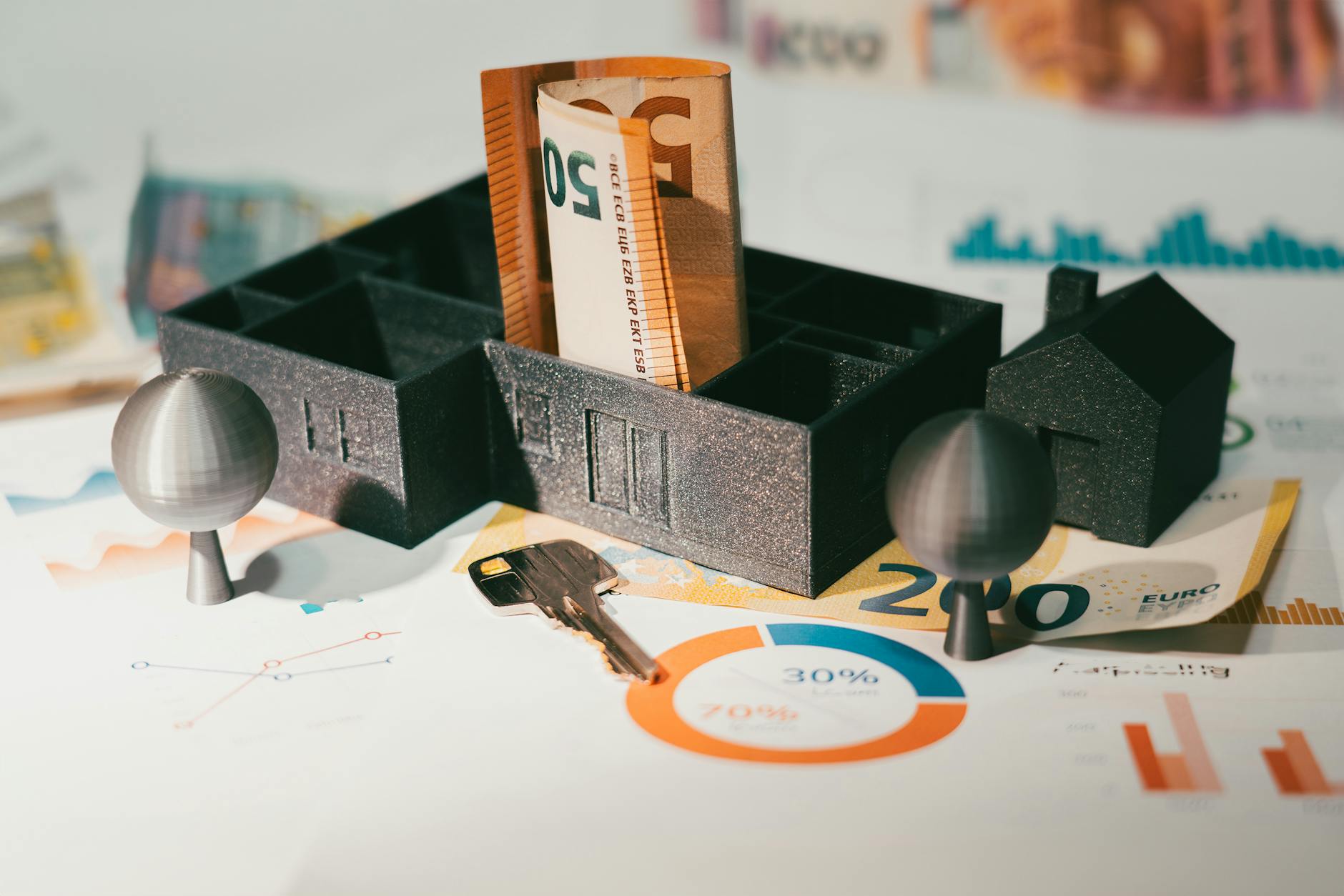
Liquidity and Speed: How Quickly Can You Actually Exit?
This is where Pokemon cards dramatically outperform water rights. You can sell a graded Pokemon card in 48-72 hours on TCGPlayer, Heritage Auctions, or Cardmarket. You’ll receive 85-95% of fair market value after platform fees. The card will physically arrive at the buyer within a week. Scaling to $10,000-$100,000 in cards requires only logging into a platform and listing inventory. Selling water rights is a six-month process requiring legal review, regulatory approval, environmental surveys, and buyer vetting. A $100,000 water rights stake in California agricultural land might require written approval from the state water authority, environmental impact studies, and negotiation with neighbors who hold inferior claims. You cannot instantly convert a water asset to USD.
This liquidity gap is enormous for active investors. If you see a buying opportunity in a different asset class and need to redeploy capital, Pokemon cards let you exit in days. Water keeps you trapped in an illiquid position for years. For most individual investors, illiquidity is a cost, not a feature. The tradeoff is scale. You can buy $50 million in water infrastructure through a fund; you cannot easily accumulate $50 million in high-grade Pokemon without years of acquisition. Cards scale poorly beyond $5-10 million in a single collection without fragmenting into thousands of SKUs. Water infrastructure, managed institutionally, scales seamlessly to billions. But for the median investor with $10,000-$500,000 to deploy, Pokemon’s liquidity is a decisive advantage.
Volatility, Regulation, and Black Swan Risk
Pokemon cards carry volatility risk, but it’s transparent and market-driven. If Pokémon Go dies as a cultural phenomenon, card prices will fall—but you’ll see it coming. The market will signal declining demand through lower auction prices and reduced trading volume. A graded card’s value might drop 30-50% over 12 months, painful but visible. Water rights face binary, non-market risks. A single legislative session can rewrite entitlements. California’s Sustainable Groundwater Management Act (SGMA) eliminated water rights that families had held for a century. The Colorado River Compact, which governs water allocation across seven states, could be renegotiated, instantly devaluing Arizona and Nevada water holdings.
Climate models suggesting mega-drought could drive emergency legislation that strips junior water rights holders. These aren’t gradual market corrections—they’re existential revaluations driven by politics and emergency. A water rights holder has no control or visibility into these risks. A Pokemon collector at least participates in a rational market where information flows freely and participants actively price risk. The practical warning: water’s “lower volatility” in spreadsheets is an illusion created by illiquidity. If you could mark water rights to market daily, you’d see the same wild swings that plague agricultural commodities and natural resources. The only reason water appears stable is that it trades infrequently, so price discovery is delayed. When a major state policy shift hits, your asset will drop 60% overnight, and you’ll have no way to exit.
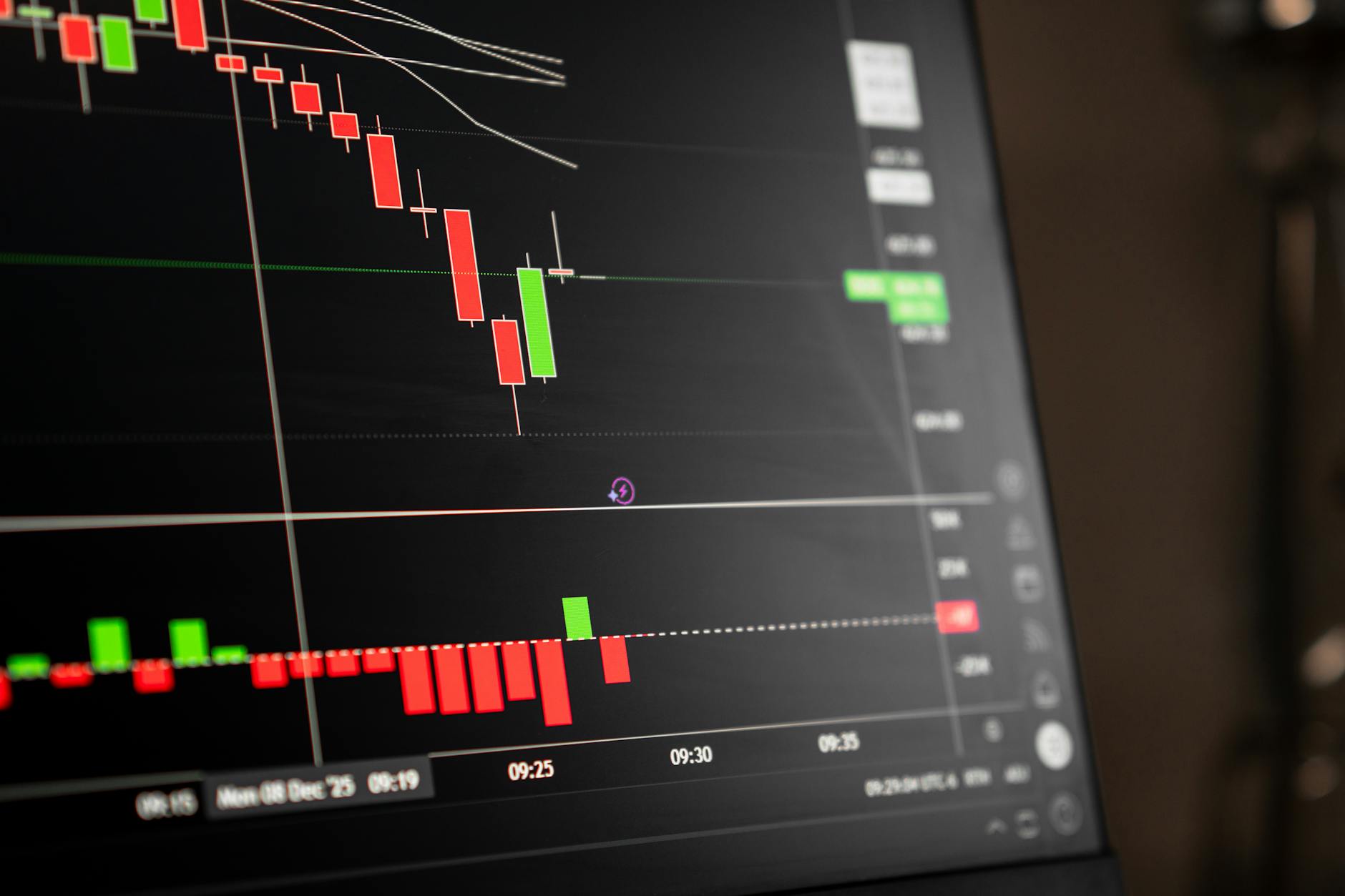
Accessibility and Entry Points for Individual Investors
Starting a Pokemon card investment portfolio costs almost nothing. You can buy a $20 graded card from an online retailer, start learning the market, and gradually scale to $1,000, $10,000, or $100,000 in holdings. Mobile apps like Whatnot and TCGPlayer let you bid on cards from your phone. You don’t need institutional networks, accreditation, or existing capital to participate. Water rights require institutional or significant family agricultural wealth to access.
Unless you own farmland in the American West, you have no practical way to buy water rights. Fund structures exist (water ETFs and mutual funds), but they’re limited and expensive, charging 0.8-1.5% annual management fees that eat into returns. The information asymmetry is massive—water rights are traded in closed networks between agricultural professionals and institutional investors who have spent decades building regional expertise. A retail investor entering the market is immediately at a disadvantage. Pokemon cards, by contrast, are democratized. Public price data, grading standards, and transparent auctions level the playing field between a millionaire and a first-time buyer.
The Future Outlook—Which Asset Will Compound Better?
Pokemon cards are projected to reach $90.2 billion market value by 2034, implying sustained cultural relevance and collectible demand. The franchise has survived 30 years, outlasted dozens of competitor trading card games, and expanded across video games, animation, and merchandise. The demographic cohort that treats Pokemon nostalgia as identity (millennials ages 25-40) is entering peak earning years and increasing discretionary spending. Younger Gen Z collectors are driving demand for modern cards. The structural tailwind is strong. Water infrastructure will also grow—to $109.8 billion by 2034—but growth is muted by regulation and political gridlock. Climate change is undeniable, water scarcity is real, and capital will flow to water solutions.
However, that capital flows primarily to utilities, water treatment companies, and desalination infrastructure—not to tradeable water rights themselves. If you’re a retail investor, your upside is capped by the regulated nature of the asset. Institutional players, utilities, and governments will capture the bulk of value creation through operational control and policy leverage. You’ll participate only if you’re a major stakeholder. For individual investors over a 5-10 year horizon, Pokemon cards offer better returns, clearer price discovery, and more control over entry and exit. For a retiree seeking 20-year stability or a massive institutional allocator, water infrastructure makes more sense. The question is always: what are you trying to do? If you’re trying to outperform the stock market and willing to accept volatility, Pokemon cards are the superior bet.
Conclusion
Pokemon cards beat water rights as an investment for individual collectors and active investors because they combine rapid appreciation (116% annual index growth, 3,800% historical returns), absolute scarcity (no new production of older cards), transparent liquid markets (instant global trade), and accessible entry points (starting at under $20). The February 2026 sale of the Pikachu Illustrator for $16.49 million demonstrates speculative momentum that water rights simply cannot match, constrained as they are by illiquidity, political regulation, and institutional gatekeeping. The realistic approach is not to choose one or the other as a binary decision, but to recognize their different use cases. Pokemon cards suit individual investors with 5-10 year horizons and appetite for volatility.
Water rights belong in diversified institutional portfolios or in the hands of agricultural operators who control land and regulatory relationships. If you have $50,000 to deploy and want to beat the S&P 500, buy graded Pokemon cards. If you have $50 million to deploy and want reliable 6-8% annual returns, allocate to water infrastructure funds. The “better” investment depends on who you are—but for the typical retail investor, Pokemon’s growth, liquidity, and transparency make it the clear winner.


