
Pokemon cards have delivered substantially higher returns than hard asset lending over virtually any meaningful investment timeframe. Since 2004, Pokemon cards have generated a 3,821% cumulative return, far outpacing the S&P 500’s 483% gain over the same period. While hard asset lending typically returns 9.5% to 12.5% annually for experienced investors, sealed Pokemon booster boxes have demonstrated 30 to 50% annual returns when held between three and five years.
The gap between these two asset classes has only widened in recent years—as of early 2026, the average Pokemon card increased 46% year-over-year, while the Card Ladder Pokemon Index surged 116% over the past twelve months. What makes Pokemon cards particularly compelling is the combination of historical performance, market momentum, and tangible supply constraints. Unlike hard asset lending, which requires significant capital, extensive qualification processes, and active management of loan portfolios, Pokemon card investing offers lower barriers to entry and greater transparency in valuation. Logan Paul’s purchase of a PSA 10 Pikachu Illustrator for $16,492,000 in February 2026—the highest-priced trading card ever sold at auction—underscores the wealth-building potential at the premium end of the market.
Table of Contents
- How Do Pokemon Card Returns Compare to Hard Asset Lending Income?
- Why Are Pokemon Cards Outperforming Traditional Alternative Investments?
- What Do the Numbers Tell Us About Market Performance in 2025 and 2026?
- Liquidity, Accessibility, and Practical Considerations for Investors
- Grading, Authentication, and Hidden Risks in Pokemon Card Investment
- The Scale of Modern Pokemon Card Market Adoption
- Long-Term Outlook and Investment Horizon Considerations
- Conclusion
How Do Pokemon Card Returns Compare to Hard Asset Lending Income?
The return differential between these investment classes is stark and consistent. Hard money lenders, even those with substantial experience and favorable loan-to-value ratios, typically see 9.5% to 12.5% annual returns. Bridge loans average 8% to 12%, while fix-and-flip financing ranges from 9% to 14%. These are legitimate returns, but they pale beside pokemon cards. Sealed products—the most comparable asset to hard money loans in terms of passive holding—deliver 30 to 50% annually over medium-term holds.
Even conservative estimates for graded Pokemon cards project 15% to 25% compound annual growth through 2035. The mathematics of compounding amplify this advantage over time. A $10,000 investment in hard asset lending at the upper range of 12.5% grows to $32,300 over ten years. The same $10,000 in sealed Pokemon products returning 40% annually compounds to roughly $289,200. Even using conservative graded card projections of 20% annually yields $61,900. Hard asset lending returns are predictable and straightforward, but they simply cannot match the growth trajectory of the Pokemon card market during this period.

Why Are Pokemon Cards Outperforming Traditional Alternative Investments?
Pokemon cards benefit from multiple tailwinds that traditional hard asset lending lacks. The market has moved from niche hobby to legitimate institutional investment vehicle, with grading companies like PSA standardizing valuation, authenticated resale platforms providing liquidity, and data services tracking prices in real time. Hard asset lending, by contrast, remains relatively stagnant as a strategy—interest rates are determined primarily by loan characteristics and borrower risk, not by market momentum or demographic shifts. One significant limitation of Pokemon cards, however, is volatility.
While the long-term trend is powerfully upward, the market experiences sharp corrections. In 2022, values contracted sharply as collectors absorbed years of supply chain disruptions and oversupply. Hard asset lending, though lower-returning, is more predictable and less subject to sentiment swings. A Pokemon card investor also faces the reality that popular cards can become oversupplied—tens of thousands of modern base set boosters were printed, and no natural scarcity exists to support premium valuations. Hard asset lending avoids this problem entirely, since loan collateral is backed by real property with intrinsic value independent of market psychology.
What Do the Numbers Tell Us About Market Performance in 2025 and 2026?
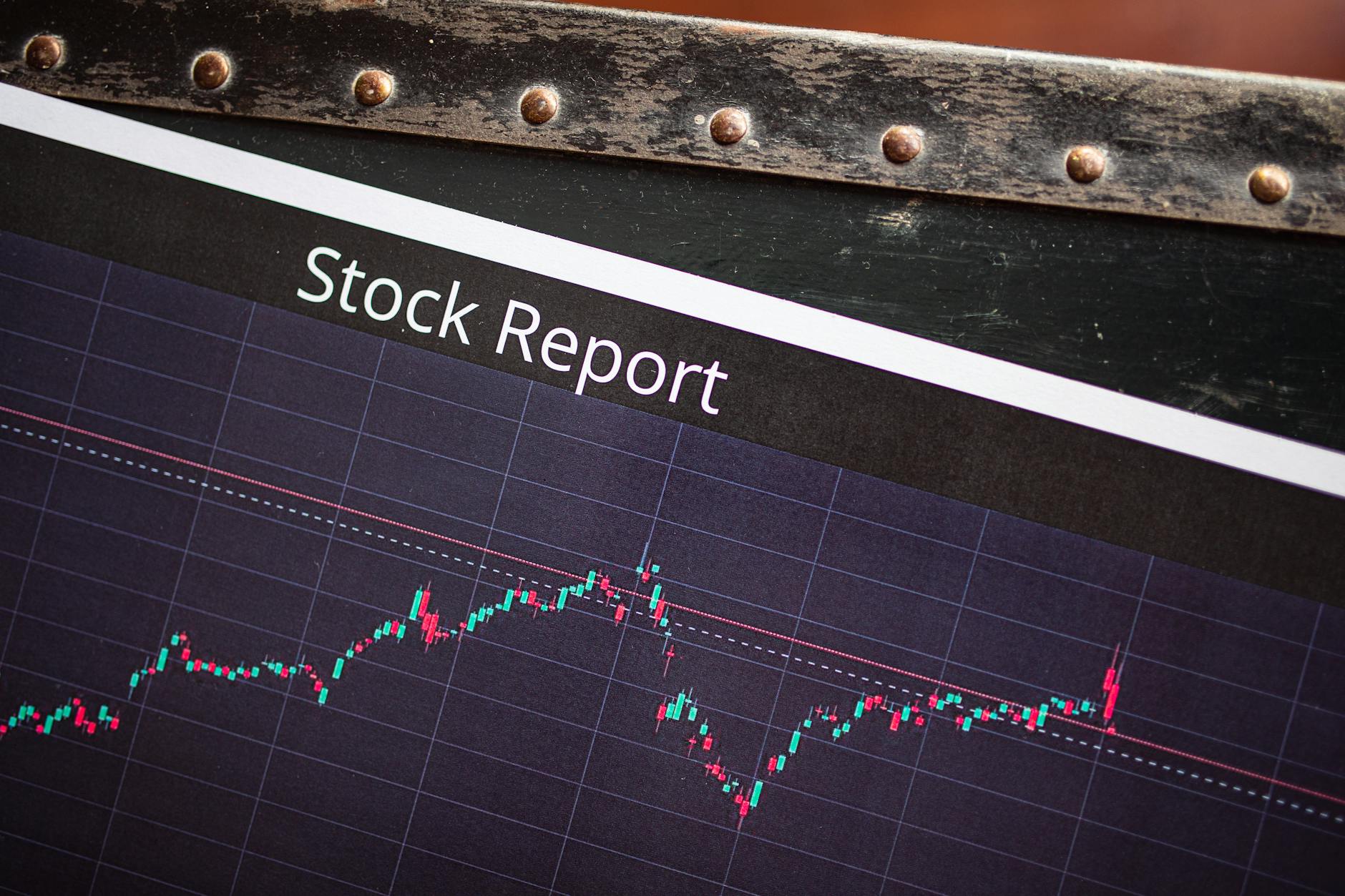
Recent performance has been exceptional for Pokemon cards. The Card Ladder Pokemon Index increased 116% over the past year as of Q1 2026, and average cards gained 46% year-over-year in the same period. These are not cherry-picked cases—these are broad-market metrics showing how comprehensively Pokemon card values have appreciated. Meanwhile, hard asset lenders locked into 2024 and 2025 loan portfolios earned their contracted 9.5% to 12.5%, knowing exactly what their return would be and assuming no defaults.
But a crucial caveat applies: past performance does not guarantee future results, and the Pokemon card market is significantly younger and smaller than the hard asset lending market. If you had purchased a pristine sealed box of 1999 Base Set boosters fifteen years ago, you would have witnessed returns that hard asset lending could never replicate. But if you purchase sealed modern products today, your returns depend on continued demand, limited supply, and investment-class adoption of the hobby. These conditions exist today but may not persist indefinitely.
Liquidity, Accessibility, and Practical Considerations for Investors
Hard asset lending requires significant capital, typically $25,000 to $100,000 or more, along with credit applications, bank statements, and verification of investment experience. Hard money lenders scrutinize borrower profiles and loan terms—a competitive process that favors established investors. Pokemon cards, by contrast, can be entered at virtually any price point: a $50 purchase of graded vintage cards or $100 for a sealed product offers genuine exposure to the asset class. Liquidity presents a genuine tradeoff.
Hard asset lenders receive monthly or quarterly distributions from borrowers—cash in hand on a predictable schedule. Pokemon card investors must find buyers when they want to exit, either through specialized platforms like TCGPlayer, eBay, or auction houses. For rare cards valued above $50,000, liquidity can be limited—a premium card may sit for months before the right buyer appears. Sealed products and moderately graded cards, however, move quickly on platforms with thousands of daily users. For most investors, Pokemon card liquidity is superior to hard asset lending, where exits require finding another investor willing to purchase your loan position.
Grading, Authentication, and Hidden Risks in Pokemon Card Investment
The Pokemon card investment boom depends entirely on third-party grading companies, primarily PSA, Beckett, and CGC. These companies assign a grade from 1 to 10, determining a card’s value. A single point difference can mean thousands of dollars—a PSA 9 example might sell for $5,000 while a PSA 10 of the same card fetches $15,000. This system works, but it creates a hidden risk: if grading standards change, if grading companies face scandal, or if the market decides to deprioritize grading, card values could shift dramatically. Hard asset lending avoids this entirely—a property is a property, backed by law and physical reality.
Another limitation is counterfeiting. The Pokemon card market has experienced rising counterfeit activity as values climbed. While major platforms combat fakes, an inexperienced investor can still make purchases without proper authentication. Hard asset lending has no counterfeit risk; you are evaluating the property and the borrower’s creditworthiness, period. Additionally, Pokemon card storage carries costs and risks—cards must be climate-controlled, protected from moisture and light, and insured. Hard asset lenders face no such burden; their investment is handled entirely by the lending company or serviced by loan management firms.
The Scale of Modern Pokemon Card Market Adoption
What distinguishes the current era from previous trading card cycles is institutional recognition. Major auction houses like Sotheby’s and Heritage Auctions now dedicate catalog space to Pokemon cards. Investors who would never have considered sports or gaming cards two decades ago now view them as legitimate alternative assets. Sealed product investment has become formalized, with investment firms offering fractional ownership of rare PSA 10 cards and high-grade sealed boxes.
This professionalization supports higher valuations and greater confidence in the market. Hard asset lending, while profitable, lacks this glamour and growth narrative. It is a mature, understood market where returns are stable but capped. The hard asset lending industry has existed for decades in its current form without fundamental innovation. Pokemon cards, by contrast, continue to evolve—new grading technologies, new authentication tools, new marketplaces, and new institutional players entering the market regularly.
Long-Term Outlook and Investment Horizon Considerations
Projections for graded Pokemon cards through 2035 center on 15% to 25% compound annual growth rates, with sealed products potentially sustaining 30% to 50% annual returns during periods of constrained supply. These forecasts assume continued mainstream adoption, stable grading standards, and no major supply shocks. The risk, of course, is that Pokemon cards remain a cyclical asset—subject to boom-and-bust patterns that have characterized trading cards historically.
Hard asset lending, meanwhile, will likely deliver steady mid-teen returns indefinitely, benefiting from persistent real estate demand and inflation hedging. For investors with a decade or longer investment horizon and tolerance for volatility, Pokemon cards offer superior return potential. For investors seeking predictable income, low stress, and simple exit strategies, hard asset lending remains a viable choice. The “better” investment depends on your risk tolerance and timeline, but the raw performance numbers overwhelmingly favor Pokemon cards during the current market cycle.
Conclusion
Pokemon cards have outperformed hard asset lending by orders of magnitude, delivering 3,821% cumulative returns since 2004 compared to the S&P 500’s 483%, with recent annual gains of 46% and Card Ladder Index appreciation of 116% year-over-year. Hard asset lending’s 9.5% to 12.5% annual returns for experienced investors are respectable but cannot compete with sealed product returns of 30 to 50% annually or graded card projections of 15 to 25% compound annual growth. The gap in performance is not marginal—it is transformative for long-term wealth building.
If you are considering where to allocate capital for the next five to ten years, Pokemon cards present a compelling alternative to hard asset lending. The market has matured beyond hobby status, institutional adoption continues to accelerate, and supply constraints on key products support valuations. Start by researching graded vintage cards and sealed products, understand the grading system, and build your position gradually. The Pokemon card market’s future may prove volatile, but its historical and recent performance suggests that this asset class will continue to reward patient investors willing to embrace both the opportunity and the risk.


