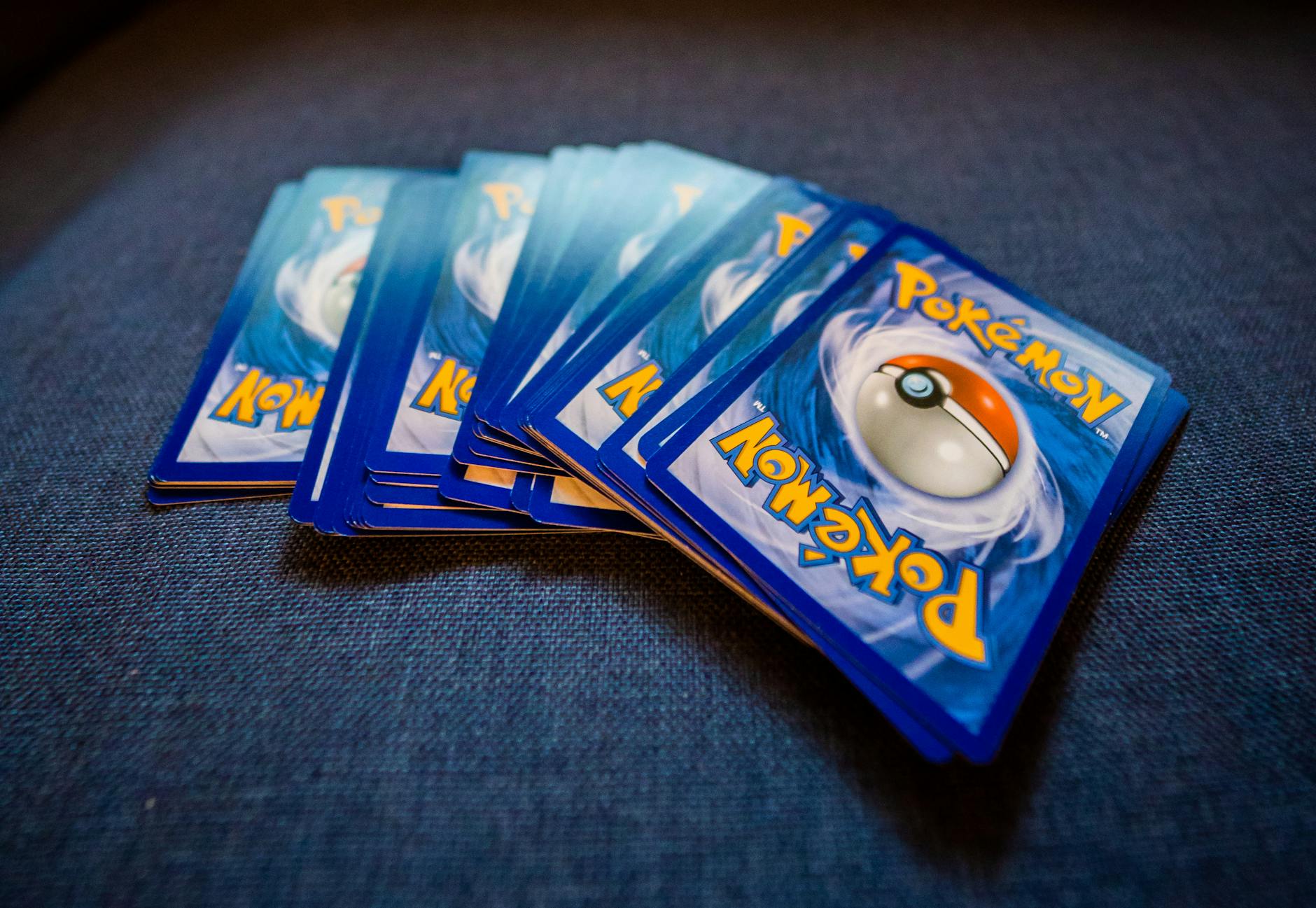
Pokémon cards have emerged as a fundamentally superior investment compared to autographed sports memorabilia, delivering returns that dwarf traditional collectibles by orders of magnitude. The numbers tell a striking story: Pokémon cards are averaging 46% annual returns, while autographed memorabilia grew only 1% in 2025—meaning Pokémon cards are outperforming by a factor of 46 times. This isn’t speculation. Over the past two decades, Pokémon cards have appreciated 3,800% since 2004, a trajectory that puts the S&P 500’s typical 12% annual average returns to shame.
The comparison becomes even sharper when you consider specific examples. An Alt-Art Latias & Latios-GX card surpassed $2,000 for the first time in 2025. Meanwhile, the autographed memorabilia market contracted—overall auction sales in this category fell 6% in the first half of 2025. For investors looking for predictable, sustainable growth backed by genuine scarcity and measurable demand, Pokémon cards represent a demonstrably better bet than betting on celebrity signatures.
Table of Contents
- How Do Pokémon Card Returns Compare to Autographed Memorabilia?
- The Market Size Gap: Where Pokémon Cards Are Growing and Memorabilia Is Stalling
- Real Price Milestones Show Pokémon’s Momentum in 2025
- Scarcity and Supply Control: Why Pokémon Cards Hold Value Better
- Transaction Costs and Hidden Expenses Drain Memorabilia Investments
- Liquidity and Accessibility for Average Collectors
- The Pokémon Franchise Strength vs. Personal Dependency in Memorabilia
- Conclusion
How Do Pokémon Card Returns Compare to Autographed Memorabilia?
Pokémon cards have posted a 46% average annual return rate over recent one-year periods, compared to just 1% growth in the luxury sports memorabilia sector during 2025. That’s not a marginal difference—it’s transformative. To put this in perspective, if you had invested $10,000 in Pokémon cards a year ago, you’d likely see gains around $4,600. The same investment in high-end autographed memorabilia would have grown by roughly $100.
The consistency of Pokémon card appreciation also matters: vintage cards from early sets have shown compound annual growth rates (CAGR) of 30-40%, which rival or exceed private equity returns without the complexity or capital requirements. Autographed memorabilia, by contrast, operates in what experts describe as a “frequently fluctuating market.” A signed baseball from your favorite player could tank in value if that player suffers a career-ending injury, faces legal trouble, or simply falls out of public consciousness. Pokémon cards face no such personal risk. A Charizard from the Base Set doesn’t lose value because the Pokémon franchise has an executive misconduct scandal. The card’s value derives from scarcity, nostalgia, condition, and cultural staying power—not the whims of individual personalities.

The Market Size Gap: Where Pokémon Cards Are Growing and Memorabilia Is Stalling
The Pokémon card market reached $21.40 billion in valuation during 2024, with projections climbing to $58.20 billion by 2034. This growth trajectory reflects genuine investor confidence and expanding demand. Meanwhile, the autographed memorabilia market is contracting. Auction sales fell 6% in the first half of 2025, and the luxury segment—where premium signatures should perform strongest—managed only 1% growth.
This divergence isn’t temporary. The Pokémon market benefits from active secondary markets, transparent pricing data, and global participation from collectors worldwide. One critical limitation worth acknowledging: the Pokémon market can experience temporary pullbacks during broader economic slowdowns or when the TCG market becomes oversaturated with new releases. The flood of Pokémon cards released in recent years has diluted some segments of the market, particularly modern commons and uncommons. However, vintage cards and high-demand modern cards continue appreciating regardless of broader market conditions, suggesting the scarcity premium remains intact.
Real Price Milestones Show Pokémon’s Momentum in 2025
Specific price movements from 2025 illustrate why Pokémon cards are outpacing memorabilia. The Alt-Art Latias & Latios-GX card crossed the $2,000 threshold for the first time. The Umbreon V shot to nearly $500 as mini-buyouts triggered new all-time highs. Bubble Mew, meanwhile, crossed the $500 mark in early August 2025.
These aren’t isolated spikes—they’re part of a sustained trend where desirable cards consistently reach new price floors and establish stronger demand. Autographed memorabilia occasionally hits news headlines with surprising sale prices at auction, but these moments are exceptions rather than patterns. A signed Michael Jordan jersey might sell for hundreds of thousands, but those outlier sales mask the sector’s overall stagnation. Most autographed items appreciate slowly or depreciate, particularly once the autographer passes away or falls from cultural relevance. A Pokémon card’s value doesn’t depend on when or where it was signed—it depends on edition, condition, artwork rarity, and competitive demand among thousands of collectors worldwide.

Scarcity and Supply Control: Why Pokémon Cards Hold Value Better
Pokémon cards benefit from fixed print runs, rotational production schedules, and Pokémon Company International’s careful management of supply. While the company releases new sets regularly, vintage cards from the 1990s and early 2000s remain finite. Every Charizard from the Base Set Unlimited edition that gets damaged or lost is permanently removed from circulation, strengthening the scarcity of remaining copies. Autographed memorabilia, by contrast, can be manufactured on-demand.
Someone can always commission a new autographed photo, jersey, or ball from a celebrity—as long as that person is willing to sign. The distinction matters enormously for long-term value preservation. A professional athlete might sign thousands of items throughout their career. An autograph enthusiast buying a signed photo today competes against thousands of identical or similar copies from the same signing session or memorabilia show. Pokémon cards, especially high-grade vintage examples, compete against a shrinking pool of remaining copies as the decades pass.
Transaction Costs and Hidden Expenses Drain Memorabilia Investments
Here’s where the math becomes brutal for autographed memorabilia investors: premium signed items carry enormous transaction costs. Entry prices often begin in the thousands of dollars. When you sell, you face auction house premiums (typically 10-20%), insurance costs, professional grading fees, and storage expenses for climate-controlled conditions. A $5,000 autographed baseball might cost you $500-$1,000 in fees just to sell it.
You’re also paying insurance throughout ownership—often 0.5-1% of the item’s value annually. Pokémon cards, by contrast, can be sold directly on platforms like TCGPlayer, eBay, or specialized collectors’ sites with significantly lower fees. A $500 card might incur 10-12% in total platform and payment processing fees, but you avoid insurance, climate control, and professional appraisal costs. Lower transaction friction means you’re capturing more of the appreciation, and you can exit positions faster if you need liquidity. This cost differential compounds over decades and can mean the difference between 30% net returns and 1% net returns.
Liquidity and Accessibility for Average Collectors
Pokémon cards offer superior liquidity. You can list a card on TCGPlayer today and have an offer within hours. Major cards have transparent price histories visible to everyone. An Umbreon V that sold for $480 last week establishes a market price that’s discoverable in seconds. Autographed memorabilia lacks this transparency.
Pricing depends on auction house estimates, authentication certificates, condition reports, and the subjective whims of bidders on any given day. Finding a fair-market price requires tracking multiple auction results over time. Additionally, Pokémon cards democratize entry into the collectibles market. You can start a portfolio with $50 worth of cards. Autographed memorabilia typically demands $1,000+ minimum investments for anything worth owning. This accessibility means more Pokémon collectors can participate, driving demand upward and strengthening the market’s foundation.
The Pokémon Franchise Strength vs. Personal Dependency in Memorabilia
Pokémon has sustained cultural relevance for over 30 years and shows no signs of fading. Pokémon GO, new video game releases, trading card set drops, and merchandise tie-ins keep the franchise front-of-mind for both longtime collectors and new generation fans. This ongoing relevance supports demand for trading cards. Autographed memorabilia, however, depends entirely on how long the autographer remains culturally relevant.
An athlete’s signature from their peak years might sustain value if they achieve Hall of Fame status, but most signed items follow the celebrity’s career trajectory—rising during their peak and declining afterward. Looking ahead to 2034, Pokémon’s projected $58.20 billion market valuation reflects confidence in sustained demand. The franchise shows no signs of declining, and if anything, the limited supply of vintage cards from early sets will drive appreciation as the card pool shrinks through damage, loss, and aging. Autographed memorabilia markets, by contrast, will likely continue contracting as digital authentication and changing consumer preferences reduce the appeal of physical signatures.
Conclusion
Pokémon cards outperform autographed memorabilia across nearly every meaningful metric: annual returns (46% vs. 1%), long-term appreciation (3,800% vs. stagnation or decline), market growth projections ($58.20 billion by 2034 vs. contraction), transaction costs (lower), liquidity (faster), and cultural staying power (sustained vs. dependent on individuals).
The data from 2024-2025 is unambiguous. If you’re comparing these two investment categories, Pokémon cards deliver superior returns with lower friction and more transparent pricing. Start by identifying cards with strong fundamentals: vintage cards from early sets in near-mint condition, popular modern cards with low print runs, and cards from championships or special editions. Research price histories on TCGPlayer and PSA databases to understand what’s appreciating. Build a diversified portfolio rather than betting everything on one card. Autographed memorabilia can remain a sentimental hobby, but if your goal is investment returns, Pokémon cards provide a demonstrably better path to wealth appreciation.
You Might Also Like
- Why Pokemon Cards Are a Better Investment Than Yen Investments
- Why Pokemon Cards Are a Better Investment Than Whiskey Cask Investments
- Why Pokemon Cards Are a Better Investment Than Wheat ETFs