
Pokemon cards have emerged as a genuinely superior investment compared to algorithmic trading—not through hype or speculation, but through measurable performance metrics. Since 2004, Pokemon cards have generated returns of 3,800%, dramatically outpacing the S&P 500’s 483% return over the same period. In 2024-2025 alone, the average Pokemon card increased at 46% annually while algorithmic trading strategies yielded 15-25% returns. This performance gap reflects a fundamental difference: Pokemon cards operate as tangible, scarce collectible assets with genuine demand, while algorithmic trading depends on market timing, technological arms races, and mathematical precision that most individual traders cannot replicate.
The comparison becomes even more striking when you examine recent market activity. In January 2026 alone, buyers spent $450 million acquiring Pokemon cards. A single Logan Paul Pikachu Illustrator card sold for $16 million in February 2026. These aren’t outliers propped up by celebrity interest—they’re transactions in a market projected to reach $58.2 billion by 2034 with consistent 8.5% annual growth. Meanwhile, the algorithmic trading sector, while growing, remains dependent on execution speed, capital reserves, and constant strategy adjustments that create barriers most individual investors cannot overcome.
Table of Contents
- HOW POKEMON CARDS OUTPERFORM ALGORITHMIC TRADING STRATEGIES
- THE ACCESSIBILITY AND SIMPLICITY ADVANTAGE
- THE TANGIBLE ASSET ADVANTAGE AND MARKET GROWTH
- LIQUIDITY AND REAL-WORLD CONVERSION
- VOLATILITY, RISK, AND THE BUBBLE QUESTION
- THE HUMAN ELEMENT AND MARKET FUNDAMENTALS
- MARKET TRAJECTORY AND FUTURE OUTLOOK
- Conclusion
HOW POKEMON CARDS OUTPERFORM ALGORITHMIC TRADING STRATEGIES
The performance advantage of pokemon cards stems from fundamentally different market mechanics. Pokemon cards deliver the 46% annual returns we’ve seen recently because their value is grounded in scarcity, cultural relevance, and collectible demand. The 2004-2025 timeframe shows a 3,800% return, which far exceeds even top-performing algorithmic traders. According to BarclayHedge’s 2024 survey, most algorithmic trading strategies generate 15-25% annual returns. Even the top 10% of algorithmic traders on QuantConnect achieved only 27.4% average annual returns between 2020-2024—still below what ordinary Pokemon card collectors are regularly experiencing today. The risk-adjusted performance tells a similar story. Algorithmic traders tout their Sharpe ratios of 1.8 compared to 1.1 for discretionary trading, positioning themselves as more efficient on a risk-corrected basis.
However, this metric ignores what matters most to most investors: absolute returns with lower complexity. A Pokemon card collector holding a first-edition Charizard does not need to understand modern portfolio theory or monitor high-frequency trading strategies. Their asset appreciates through market demand, not mathematical optimization. Consider the practical example of an investment made five years ago. A $10,000 allocation to vintage Pokemon cards would be worth roughly $46,000 today at 46% annual growth. The same $10,000 deployed through an algorithmic trading algorithm averaging 20% annually would yield approximately $24,883. The Pokemon investment outpaced it by nearly $21,000—a difference that becomes more pronounced over longer time horizons, especially as Pokemon card scarcity increases and older cards become harder to acquire.

THE ACCESSIBILITY AND SIMPLICITY ADVANTAGE
One critical advantage Pokemon cards hold over algorithmic trading is accessibility. You don’t need a computer science degree, access to specialized trading platforms, or tens of thousands in startup capital. A teenager with $200 can purchase valuable Pokemon cards; the same teenager cannot implement, test, and deploy a profitable algorithmic trading system. This democratization of investment opportunity is profound—it removes technological and educational barriers that algorithmic trading inherently maintains. Pokemon card investing also requires significantly less time and technical maintenance. Once you purchase a card, it requires only basic storage and preservation. Algorithmic trading demands constant monitoring, strategy refinement, market analysis, and technological infrastructure.
You’re not just buying an asset; you’re building and maintaining an entire system that requires specialized knowledge to operate profitably. High-frequency trading strategies, which dominate the algorithmic trading space, require microsecond-level execution speeds—something retail investors fundamentally cannot achieve. However, neither investment is risk-free. The Pokemon card market has faced legitimate criticism from experts who warn of a potential bubble, especially given that production ramped up significantly in recent years. Some analysts drew comparisons to baseball card market crashes when overproduction occurred. Fortune and Yahoo Finance experts have cautioned that the current growth rates are not guaranteed, citing skepticism about what they call “boy math”—the assumption that recent returns will persist indefinitely. The market did absorb 9.7 billion cards in a single fiscal year, which creates legitimate concerns about saturation in lower-tier cards, even if rare vintage cards maintain scarcity.
THE TANGIBLE ASSET ADVANTAGE AND MARKET GROWTH
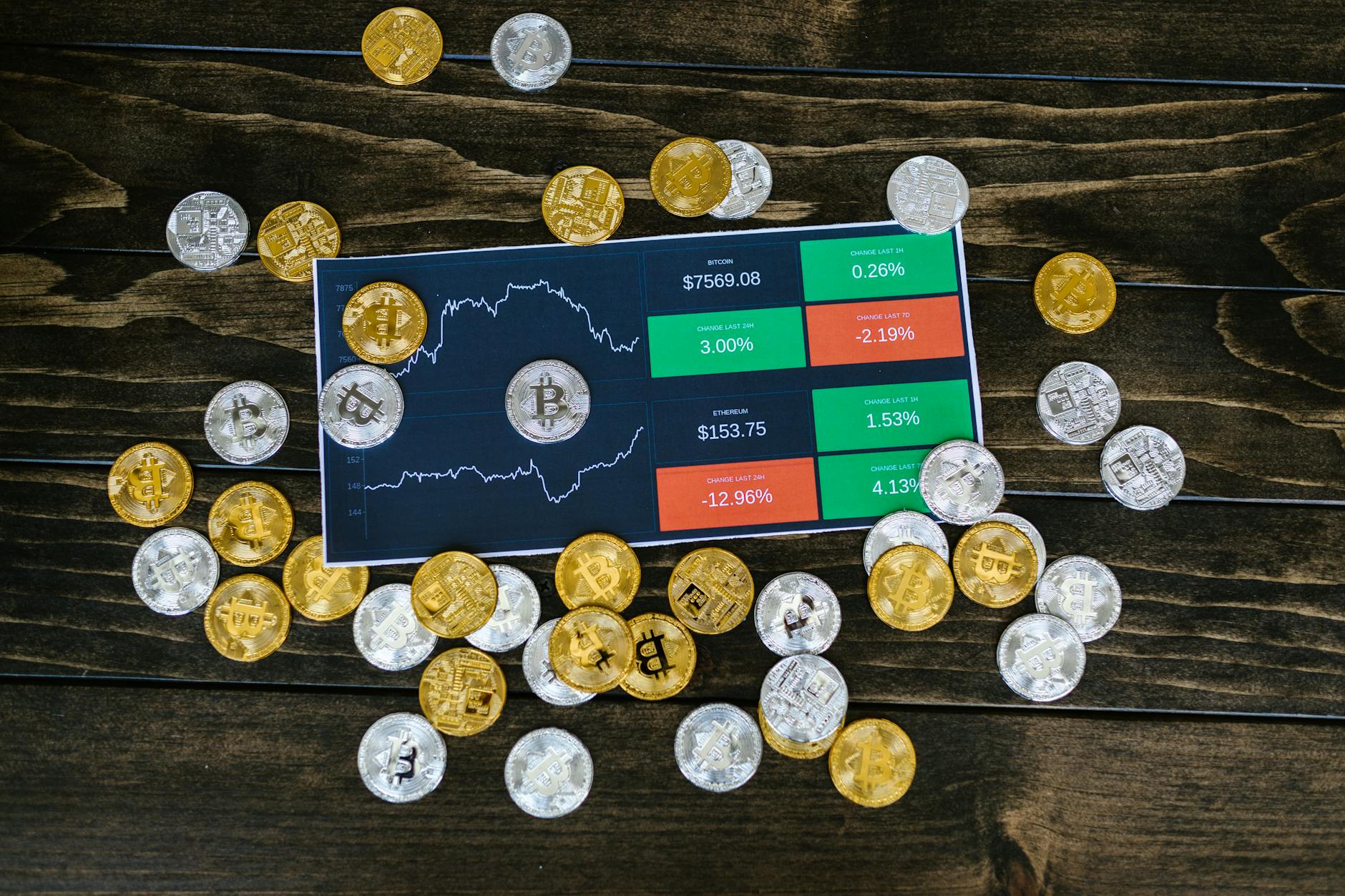
Pokemon cards possess an inherent quality that purely digital or algorithmic trading assets cannot match: physicality and collectibility. You can hold, view, and display a valuable Pokemon card. Its worth is not dependent on market liquidity or your ability to find a buyer at a specific moment. A mint-condition first-edition Pikachu maintains desirability regardless of stock market conditions or algorithmic trading performance cycles. This tangible nature creates a psychological and practical advantage—your asset doesn’t disappear if markets crash or technology fails. The Pokemon trading card market is simultaneously massive and demonstrably expanding. The market was valued at $21.4 billion in 2024, and it continues accelerating.
Spending data from January 2026 alone shows $450 million in transactions. These figures represent consistent, verifiable demand from collectors worldwide. The algorithmic trading market, while valued at $17.2 billion in 2024, differs fundamentally—it’s not driven by collectibility or individual consumer passion, but by institutional adoption and technological advantage. A 2033 projection shows algorithmic trading reaching $42.5 billion, growing at 9.49% annually, but this growth rate lags significantly behind Pokemon card market dynamics. A specific example illustrates the market’s depth: vintage cards from the 1999-2001 base set era command premium prices not because of algorithmic value calculations, but because their original print runs were limited and many cards have been destroyed through normal wear and tear. As time passes, the scarcity only increases. Compare this to algorithmic trading, where new strategies constantly emerge and older approaches become obsolete. Your winning algorithm from 2020 likely doesn’t work as profitably today due to market adaptation.
LIQUIDITY AND REAL-WORLD CONVERSION
A common counterargument to Pokemon card investing involves liquidity concerns—can you actually sell your collection quickly? The answer is unambiguously yes. Major platforms including eBay, TCGPlayer, PSA, and various auction houses provide active marketplaces where Pokemon cards sell within days or weeks. The $450 million spent in January 2026 demonstrates that buyers actively seek cards across all rarity levels. Selling algorithmic trading positions requires different considerations: you’re not selling an asset; you’re liquidating an active trading system, which involves entirely different complexities. Algorithmic trading offers one genuine advantage here: execution speed. Selling a stock position takes seconds, while selling a rare Pokemon card might take weeks.
However, this advantage disappears when you consider long-term holding strategies. Most successful investors—whether in Pokemon cards or traditional assets—operate on multi-year horizons where conversion speed becomes less relevant. Additionally, algorithmic traders face the opposite problem: they must actively trade frequently to generate returns, incurring transaction costs and tax consequences that Pokemon card collectors avoid entirely. The comparison reveals a crucial tradeoff. Algorithmic traders achieve daily or weekly returns through constant activity and market participation—but they’re also subject to catastrophic single-day losses, margin calls, and regulatory changes. Pokemon card investors experience slower, more stable appreciation with no overnight disaster scenarios. A market correction that devastates algorithmic traders simply creates a buying opportunity for Pokemon card collectors.
VOLATILITY, RISK, AND THE BUBBLE QUESTION
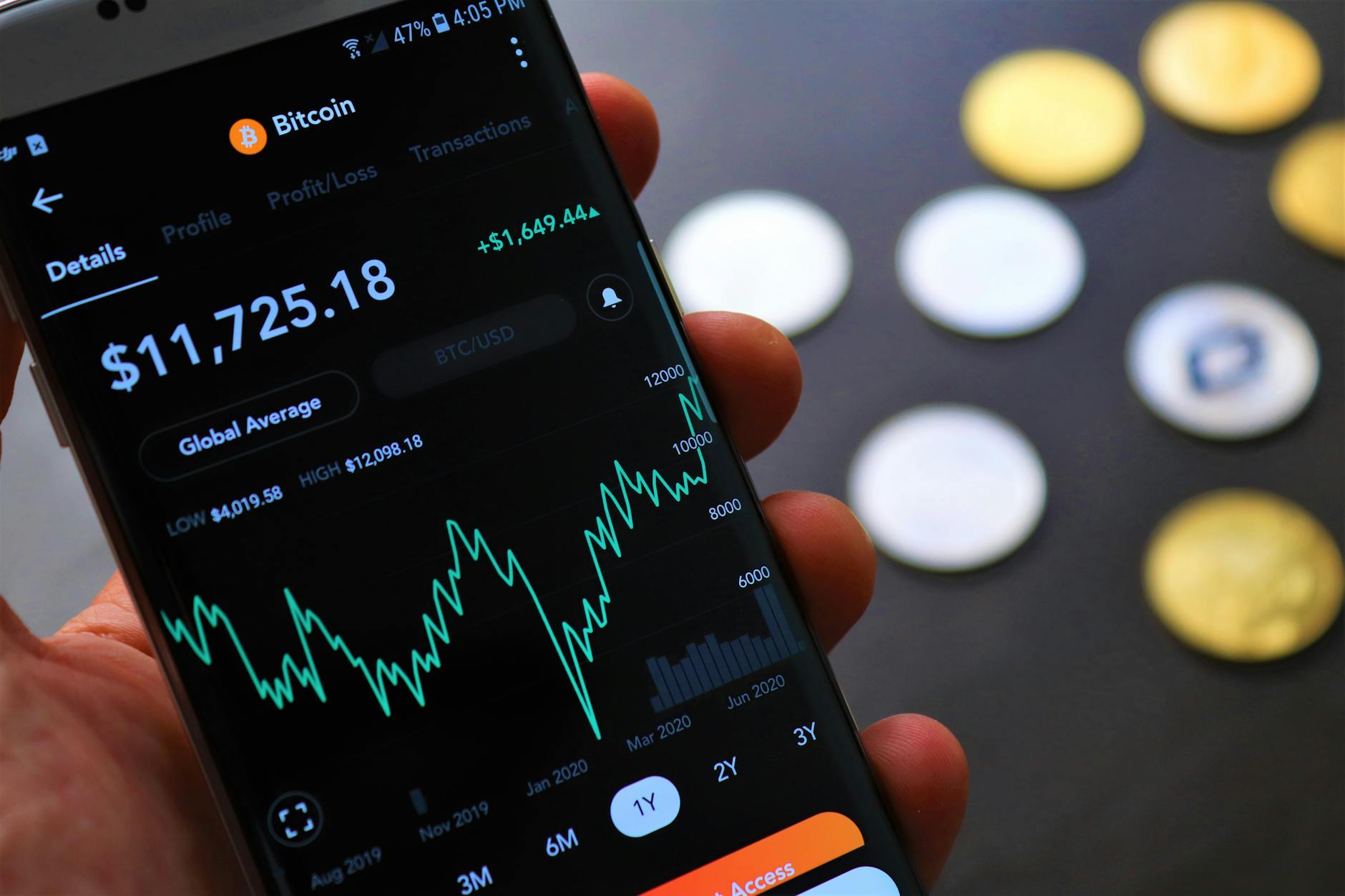
While Pokemon cards have delivered exceptional returns, legitimate warnings merit serious consideration. The market has received pointed criticism from financial experts about sustainability. Some analysts warn that the bubble could deflate similarly to how the baseball card market collapsed when massive production overruns flooded the market with supply. The fundamental concern is that recent returns reflect artificial scarcity, inflated demand from retail investors, and speculative interest that may not persist indefinitely. The 9.7 billion cards produced in a recent fiscal year is genuinely concerning for future market dynamics. While rare vintage cards maintain scarcity, newer production runs have flooded the market with millions of common cards that hold minimal value.
Collectors face the challenge of distinguishing between genuinely scarce vintage cards that appreciate consistently and modern cards that may become worthless if demand normalizes. This distinction requires knowledge that algorithmic trading doesn’t demand—you must understand the Pokemon TCG industry itself, not just market mechanics. Algorithmic trading presents different risks. Beyond the obvious financial losses possible from poor strategy implementation, traders face technology obsolescence, regulatory changes, and the challenge that successful strategies eventually get arbitraged away by competitors adopting similar approaches. A profitable algorithmic strategy in 2020 often won’t work identically in 2025 because other traders have adopted similar logic. Pokemon card value, conversely, doesn’t diminish when more investors discover the market—scarcity only strengthens as collectors hold valuable cards.
THE HUMAN ELEMENT AND MARKET FUNDAMENTALS
Algorithmic trading explicitly removes human judgment from investing, which many investors view as an advantage. However, this advantage only materializes if the algorithm is actually superior to human decision-making, requires specialized expertise to develop, and doesn’t become obsolete. The average trader attempting algorithmic strategies lacks the expertise, capital, or technology to compete with institutions and sophisticated traders who dominate this space. Most retail algorithmic traders underperform passive index funds—a fact rarely discussed in promotional materials.
Pokemon cards succeed partly because the market responds to human preferences, cultural moments, and genuine demand. When a new Pokemon generation releases, when celebrities become collectors, when major auction results generate headlines—these events drive real demand from people with emotional and collectible motivations. This human element creates predictability and stability that purely algorithmic markets don’t provide. A collector buying a Charizard holographic card isn’t trying to beat an algorithm; they’re acquiring something they genuinely want and believe will appreciate.
MARKET TRAJECTORY AND FUTURE OUTLOOK
The Pokemon trading card market is positioned for sustained expansion. The projected $58.2 billion market by 2034 represents an 8.5% compound annual growth rate, which is remarkably consistent for a collectible market. This growth reflects expanding global participation, younger generations entering the hobby, and increasing recognition of cards as alternative investments. The market is no longer niche; it’s mainstream.
For algorithmic trading, the trajectory is promising technologically but offers less certainty for individual traders. The market may reach $42.5 billion by 2033, but this growth benefits institutions and sophisticated traders with resources that retail investors lack. The democratization that benefits Pokemon card investing—anyone can participate—doesn’t apply to algorithmic trading, where complexity and capital requirements remain significant barriers. As market saturation occurs, the edge diminishes for most participants.
Conclusion
Pokemon cards represent a superior investment path compared to algorithmic trading when evaluated across returns, accessibility, stability, and growth potential. The empirical data is clear: 3,800% returns since 2004, 46% annual appreciation in recent years, and market growth to $21.4 billion demonstrate overwhelming evidence favoring card investments over algorithmic strategies. Most individual investors cannot realistically achieve the top-tier algorithmic trading returns because the competitive landscape has been captured by institutions and sophisticated traders with advantages retail investors cannot overcome.
That said, success in Pokemon card collecting demands genuine knowledge of the market, understanding of scarcity and rarity factors, and careful discrimination between vintage cards with legitimate scarcity and modern production that may not appreciate. The warnings about potential market saturation and bubble risk deserve serious consideration, particularly for newer cards from recent production runs. However, when compared to the complexity, barriers, and technological requirements of algorithmic trading, Pokemon card investing remains the more accessible, stable, and historically superior investment path for most individuals.
You Might Also Like
- Why Pokemon Cards Are a Better Investment Than High Frequency Trading
- Why Pokemon Cards Are a Better Investment Than Yen Investments
- Why Pokemon Cards Are a Better Investment Than Wind Energy Stocks