
A PSA 10 Base Set Pokémon card is extraordinarily difficult to replace because it represents a perfect storm of scarcity, age, and pristine condition that rarely converges. When you own a 1999 Charizard or Blastoise graded PSA 10, you’re holding one of the best-preserved examples of a card that’s now 25+ years old—and replacements simply don’t exist in adequate supply.
The grading infrastructure itself proves this: of all Base Set cards ever submitted to PSA, only a small percentage achieve the gem mint 10 grade, and those that do command premium prices that climb higher each year. The irreplaceability stems from three locked factors: the cards were mass-produced but handled carelessly by collectors who didn’t preserve them; modern grading standards are unforgiving about centering, corners, and surface wear; and the original print run was distributed across millions of casual players and children. Finding another PSA 10 copy of the exact card you lost or need requires months of patience searching auctions, with no guarantee one will appear at any price you’re willing to pay.
Table of Contents
- Why High Grades Are Scarce in 25-Year-Old Cards
- The Print Quality and Centering Challenge
- Market Supply and Pricing Trends
- Condition Degradation and the Impossibility of Restoration
- Authentication and Grading Gatekeeping
- The Unavoidable “Settling” Trap
- The Future of Base Set PSA 10 Availability
- Conclusion
- Frequently Asked Questions
Why High Grades Are Scarce in 25-Year-Old Cards
Base Set cards were manufactured between 1999 and early 2000, and the majority entered households where they were played with, bent, creased, and stored in shoeboxes. Centering—a critical grading factor—was often poor from the factory itself; off-center cards were common in that era. Even cards that survived without major damage often show faint print spots, slight edge wear from shuffling, or minor surface scuffs from storage, all of which psa penalizes.
A PSA 10 requires a nearly perfect card: sharp corners (no whitening), pristine edges, perfect centering or near-perfect, and no surface imperfections visible to the naked eye. The rarity compounds because most serious collectors today actively preserve their cards, meaning PSA 10s tend to remain in collections rather than returning to the secondary market. Unlike modern cards where grading and resale are common practices, many of the few remaining PSA 10 Base Set cards sit in private hands or are held by investors who have no reason to sell. A 2024 search for “PSA 10 Charizard Base Set” might yield zero active listings, forcing you to either wait indefinitely or accept a lesser grade like PSA 9.
The Print Quality and Centering Challenge
base Set was printed when Pokémon card manufacturing was still developing its precision machinery; quality control was looser than modern standards. Centering was especially inconsistent—cards might have the image shifted noticeably to one edge or corner, which PSA considers a major flaw. Even mint-pulled cards often exhibit this factory-fresh centering issue, meaning a PSA 10 Base Set charizard was either exceptionally lucky at the factory or one of a few thousand that passed quality thresholds.
The surface quality adds another limiting factor. 1990s printing inks and card stock were susceptible to printing spots—tiny dark flecks from the printing press—and UV exposure degraded them even in storage. A PSA 10 must show no visible print spots under normal light, ruling out thousands of otherwise well-preserved cards that spent decades in sunny rooms or near windows. This hidden degradation only becomes apparent when you try to grade a card; you may own what you thought was gem mint, only to receive a PSA 9 or 8 back from the grader.
Market Supply and Pricing Trends
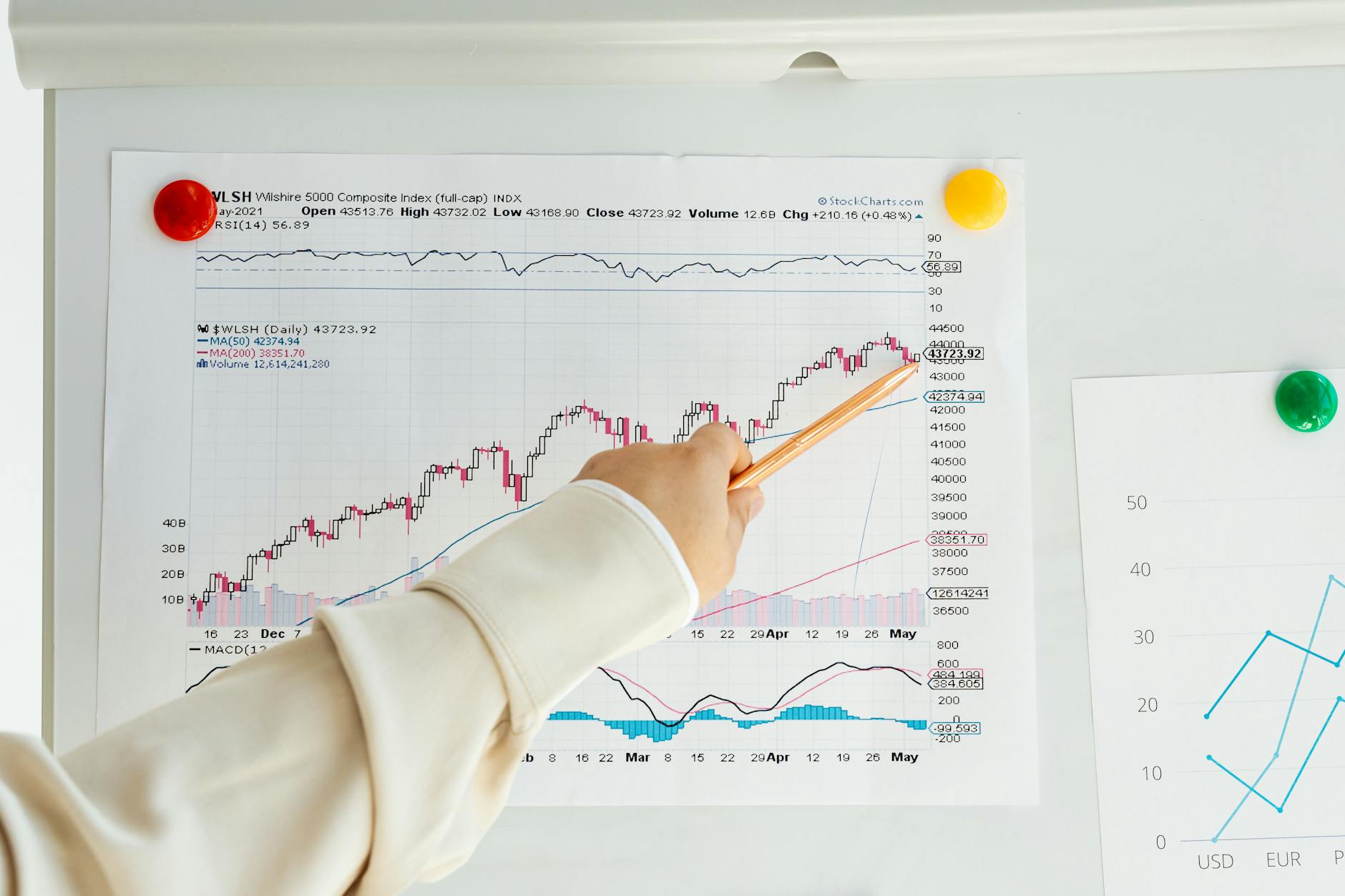
When you search for a PSA 10 Base Set card, you’re competing against a global network of collectors, speculators, and investors—all chasing cards from a finite, shrinking pool. Between 2020 and 2024, Pokémon collectibility exploded, driving aggressive buying of graded vintage cards. High-grade Base Set cards were absorbed into collections and investment portfolios, dramatically reducing street availability. A PSA 10 Blastoise Base Set might have had 50 copies in active circulation in 2015; today, perhaps 15 remain for sale at any given time.
Pricing reflects this scarcity. A PSA 10 Base Set Charizard has sold for $300,000 to $400,000 at major auctions in recent years. Even common holos like a PSA 10 Base Set Dragonite can cost $2,000 to $5,000, whereas a PSA 9 might be $400 to $800. The price difference isn’t linear—that one grade tier jump represents a 400% premium, which few sellers will accept when a near-mint alternative exists. Once you need a PSA 10, you’re locked into paying whatever the market sets, because no substitute grade will satisfy the requirement.
Condition Degradation and the Impossibility of Restoration
One of the hardest truths about PSA 10 Base Set cards is that you cannot restore or repair them back to that grade if they ever drop below it. A bent corner, a surface crease, or corner whitening cannot be reversed. If your PSA 10 card suffers even minor damage—a small dent from a sleeve protector, a tiny corner bend from shuffling—it will grade lower on resubmission, and you’ve lost not just the card’s condition but tens of thousands of dollars in value.
This creates a practical dilemma for collectors who actually own PSA 10s: keep them in a safe deposit box or graded holder and never touch them, or accept that any use introduces risk. This is why replacement PSA 10 Base Set cards rarely become available—the owners treat them as untouchable assets. You cannot “fix” your way back to a 10 if damage occurs; you can only accept the loss and hunt for another copy, knowing the next one might take years to find.
Authentication and Grading Gatekeeping
Another barrier to replacement is that PSA, the primary grader for vintage Pokémon, has tightened its standards significantly since the early 2000s. A card graded PSA 10 in 2005 might not achieve the same grade today under stricter modern standards. This means you can’t rely on older slabs as perfect replacements—if you open and regrade a 2005 PSA 10, it might come back as PSA 9 or 8, rendering it unsuitable for your needs.
Counterfeits further complicate the replacement hunt. High-value Base Set cards have spawned fake slabs and fake raw cards, particularly expensive holos like Charizard and Blastoise. When seeking a replacement PSA 10, you must verify the slab’s authenticity (checking PSA’s population database, examining the card’s serial number, looking for hologram authenticity markers), which adds time, skepticism, and potential cost to the search. A fraudulent PSA 10 slab looks identical to a real one until an expert examines it closely.

The Unavoidable “Settling” Trap
Most collectors searching for a replacement PSA 10 Base Set card eventually face a choice: spend six months hunting and paying $8,000 for a PSA 10, or buy a PSA 9 for $1,500 and accept the visual difference. The trap is that PSA 9 and PSA 10 look nearly identical to casual observers but feel entirely different to the collector. A PSA 9 still has a flaw—perhaps slight corner wear, a minor print spot, or edge wear—while the PSA 10 is objectively flawless.
Many collectors end up purchasing a PSA 9 as a “temporary” replacement, telling themselves they’ll upgrade later. Years pass; the PSA 9 becomes “good enough,” and the hunt ends. If you truly need a PSA 10 replacement, you must accept that settling will gnaw at you, or commit to the patience and expense of the hunt.
The Future of Base Set PSA 10 Availability
As decades pass and more cards succumb to storage failures, humidity damage, or other degradation, the population of remaining PSA 10 Base Set cards will only shrink. Cards stored since 1999 in basements or attics continue to degrade from temperature fluctuations and moisture.
This means scarcity will worsen, not improve, making the irreplaceability of today’s PSA 10 cards even more acute in 10 years. Some collectors argue that future grading innovations—better preservation techniques, hermetic encapsulation, or restoration methods—might shift this dynamic, but no credible evidence suggests cards in poor condition can be restored to PSA 10 standards. The realistic outlook is that PSA 10 Base Set cards are becoming increasingly viewed as one-of-a-kind or near-one-of-a-kind assets, comparable to fine art rather than collectible products with substitutes.
Conclusion
The irreplaceability of a PSA 10 Base Set Pokémon card comes down to biology, history, and probability. You’re trying to replace a specific card from a 25-year-old product run that was mishandled, stored poorly, and now survives in minuscule numbers at the highest grade. Modern grading standards are unforgiving, the surviving PSA 10s are hoarded by collectors and investors who rarely sell, and no restoration method exists if your copy ever degrades.
Each PSA 10 is effectively a singular collectible. If you own one, understand its irreplaceability and protect it accordingly. If you need to acquire one as a replacement, budget for months of searching, premium pricing, and the emotional toll of possibly settling for a lower grade. The scarcity that makes PSA 10 Base Set cards so valuable is precisely why they are so difficult to replace.
Frequently Asked Questions
Can I regrade my older PSA 10 slab to confirm it still qualifies?
Yes, but be aware that PSA’s standards have tightened since the early 2000s. Many older slabs come back with lower grades upon resubmission. If your PSA 10 is in a sealed slab and you care about the grade, it may be safer to leave it unturned.
What’s the minimum grade that looks indistinguishable from a PSA 10?
PSA 9 (mint condition) is very close to the naked eye, but trained collectors can spot the subtle flaws that distinguish it from gem mint. The price gap, however, is enormous—often 60-80% less for a PSA 9.
Are modern Base Set reprints a good replacement for vintage PSA 10 cards?
Reprints are a completely different collecting category and have no substitute value for a vintage PSA 10. Collectors and investors view reprints as modern products with their own grading considerations, not as replacements for 1999 originals.
How long do PSA slabs last if stored properly?
PSA slabs are durable, but the card inside can still degrade from temperature fluctuations, humidity, and light exposure. Proper storage in climate-controlled environments slows degradation but doesn’t stop it permanently.
What should I do if I own a PSA 10 Base Set card?
Store it in a climate-controlled safe deposit box or home safe, away from light and temperature extremes. Avoid handling it, and do not attempt to clean or restore it. Consider insurance for cards valued above $10,000.
Can I sell a PSA 10 Base Set card as a “collectible investment” rather than a gaming card?
Yes—most PSA 10 Base Set cards are now treated as collectible assets or investments rather than playable cards. Many have never been removed from their slabs and never will be. Authenticity, provenance, and slab condition are critical to market value.
You Might Also Like
- Why Collectors Are Comparing Base Set to Early Sports Card Grails
- How Base Set Pikachu Became More Than Just a Common Card
- The Pokémon Card Price Trends Surging This Week – 05/24/2026