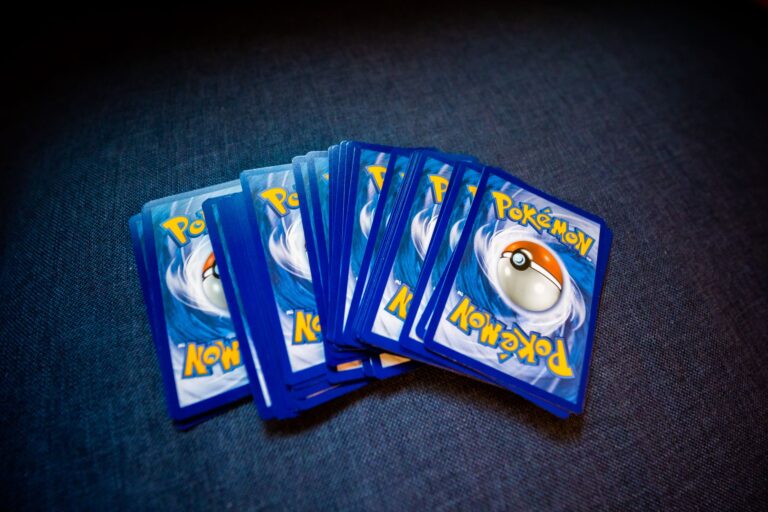
Calculating the total value of all Pokémon cards on the market is a complex task due to the vast number of cards, their varying values, and the dynamic nature of the market. The Pokémon Trading Card Game (TCG) has been around since the late 1990s, and over the years, it has evolved into a significant market with both nostalgic and financial appeal. To understand the total value, we need to consider several factors, including the types of cards, their rarity, and market trends.
### Historical Context and Market Trends
Pokémon cards were initially introduced as a hobby for children, but they have grown into a lucrative investment opportunity. Some cards have seen returns of over 3,000% since 2004, far surpassing the growth of the S&P 500 during the same period[2]. This remarkable growth is partly due to the nostalgia factor and the increasing popularity of collecting rare and limited-edition cards.
The COVID-19 pandemic played a significant role in boosting the Pokémon card market. As people sought activities during lockdowns, many rediscovered their old Pokémon cards or began collecting them anew. This surge in interest led to a significant increase in card values, with some rare cards selling for thousands of dollars[2].
### Types of Pokémon Cards and Their Values
Pokémon cards can be broadly categorized into several types based on their rarity and condition:
1. **Common Cards**: These are the most abundant and typically have the lowest value. They are often found in booster packs and are used for gameplay.
2. **Uncommon Cards**: Slightly rarer than common cards, they have a moderate value.
3. **Rare Cards**: These cards are less common and have higher values due to their scarcity.
4. **Holographic Cards**: Often considered the most desirable, holographic cards feature shiny foil artwork and can be extremely valuable. The rarity and condition of these cards significantly impact their price[2].
5. **Promo Cards**: These are special cards released for events or promotions and can have unique values based on their rarity and demand.
6. **Vintage Cards**: Cards from early sets, such as the Base Set or Jungle, can be highly valuable due to their age and rarity.
### Market Dynamics and Speculation
The current market is heavily influenced by speculation, with over 80% of recent sales driven by “flippers” seeking quick profits[1]. This speculative fervor has led to concerns about a potential market bubble, similar to past speculative bubbles in other markets. The heavy printing of modern sets has flooded the market, leading to comparisons with the “junk wax” era of baseball cards, where mass-produced cards lost value over time[1].
Despite these risks, some cards continue to appreciate in value. For instance, certain Mega Evolution cards have seen significant price spikes, with one card increasing from $558 to nearly $675 over a week[4]. However, this rapid appreciation is not universal and can vary greatly depending on the card’s rarity and demand.
### Economic Factors and Future Outlook
Economic factors such as inflation and recession can impact discretionary spending, potentially affecting the Pokémon card market. During the economic slowdown in 2023, TCG sales dipped by 25%, illustrating the market’s vulnerability to broader economic conditions[1]. Community sentiment suggests that the market might experience a slow decline if speculative buying decreases and supply continues to outpace demand[1].
The Pokémon Company’s production strategies also play a crucial role in shaping the market. If production continues to outpace demand, card values could plummet, leaving collectors with devalued cards[1]. Conversely, if the company manages supply effectively, maintaining a balance between availability and demand, the market could stabilize and continue to grow.
### Estimating the Total Value
Estimating the total value of all Pokémon cards on the market is challenging due to the vast number of cards and their varying values. However, we can look at some indicators:
– **Sealed Products**: Booster boxes and other sealed products have seen significant appreciation, with some sets increasing in value by thousands of dollars over a couple of years[3].
– **Individual Cards**: Rare and holographic cards can sell for thousands of dollars each, contributing significantly to the overall market value[2].
– **Market Trends**: The market’s speculative nature means that values can fluctuate rapidly based on demand and supply.
Given these factors, while it’s difficult to provide an exact figure for the total value of all Pokémon cards, it’s clear that the market is substantial and continues to grow, albeit with risks of speculation and market volatility.
### Conclusion of Market Analysis
The Pokémon card market is a complex and dynamic entity influenced by a mix of nostalgia, speculation, and economic factors. While some cards have seen incredible growth in value, the market’s future is uncertain due to potential oversaturation and economic pressures. As the market continues to evolve, collectors and investors must remain aware of these factors to navigate the risks and opportunities presented by this unique market.