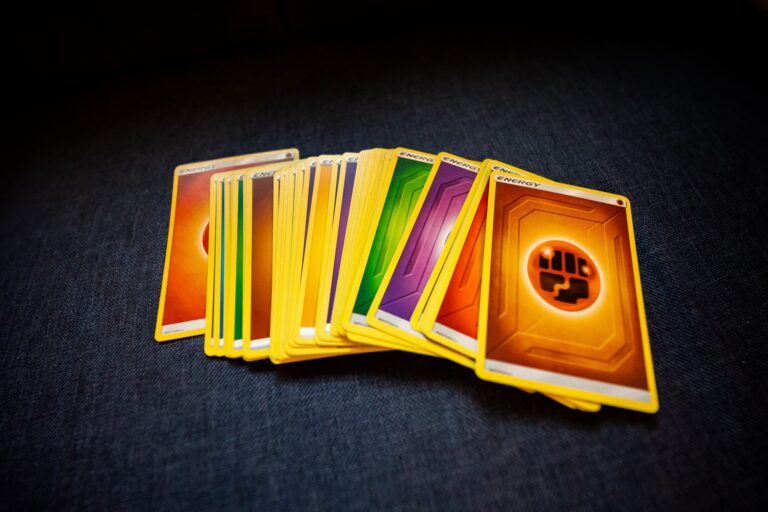
The Pokémon Trading Card Game kicked off with the Base Set, which first hit shelves in Japan on October 20, 1996, as the starting point for what would become a massive collecting craze. This original Japanese release, often called the Base Set or Burai set, marked the very first print run, coming out right after the Pokémon video games had built some buzz in Japan following their February 1996 launch[1][3]. Booster packs launched the same day, each with 10 cards randomly packed inside, and it was a simple setup of 102 cards total, featuring all the classic Pokémon like Pikachu, Charizard, and Blastoise in their debut holographic glory[1].
Right from the start, this Japanese Base Set print run was aimed at kids reading CoroCoro magazine, tying into promotions where fans sent postcards for a chance to get Mew added to their game cartridges, which helped spread word-of-mouth and boosted everything Pokémon[1]. Production ramped up quickly because demand exploded—by March 1998, Wizards of the Coast and Japanese factories had already made 499 million Pokémon cards worldwide, with the Base Set being the foundation of that number[1]. That figure jumped to 764 million by March 1999, showing how the initial print runs kept pouring out to meet the hype, especially as the anime and manga took off alongside it[1].
In Japan, the Base Set print run stretched from 1996 into 1999, with multiple waves to handle growing popularity—collectors today call these the “Burai” prints, prized for their earlier production compared to English versions, unique artwork details like smaller symbols, and that pure, untouched vibe purists love[3]. These weren’t unlimited from day one; early batches had limited stamps or markings that made them stand out, but as sales soared past expectations, Wizards and the Japanese producers shifted to broader unlimited runs to keep stores stocked[3]. By March 2000, the total cards manufactured hit 4.255 billion, with American and Japanese factories working overtime, and a huge chunk of that early volume came from Base Set reprints to fuel the global boom[1].
Across the ocean, the English Base Set didn’t arrive until 1999, handled by Wizards of the Coast after Pokémon’s overseas video game launch in 1998 built international fever[1][3]. The first English print run dropped in January 1999, with booster boxes holding 36 packs each, and every pack guaranteed one rare or holo, three uncommons, and seven commons—11 cards total, one more than the Japanese version[3]. This kicked off with the ultra-rare First Edition prints, marked by a little “1” in a star on the logo, produced only in those initial batches before demand forced a switch to Unlimited editions without that stamp[3].
The First Edition English Base Set print run was short and sweet, focused on getting product out fast for the U.S. and Western markets, but it sold out like wildfire, leading straight into Unlimited reprints that same year[3]. These Unlimited runs kept printing through 1999 and into 2000, flooding stores to match the craze—think kids trading at recess, parents hunting packs at Walmart, all while factories churned out millions more to hit those billion-card milestones[1][3]. Unlike Japan, the English prints had clearer distinctions: First Edition for the elite early collectors, then Unlimited for everyone else, with no major gaps in between because Wizards learned quick from the Japanese success[3].
Diving deeper into the Japanese timeline, that 1996 launch wasn’t a one-off—print runs happened in waves tied to holidays and promotions. October 20, 1996, was booster pack day, but the full set rollout included starter decks shortly after, and factories kept the lines running through 1997 as sales of the Red and Green games crossed 1 million by September 1996, pulling TCG sales along[1][3]. By 1998, with half a billion cards made, Japanese Base Set was in full reprint mode, smaller batches for local stores but steady enough to support exports and testing for Western releases[1]. The 1999 tail-end prints wrapped up the original run, shifting focus to Jungle and Fossil sets, but Base Set stock lingered because it was the must-have starter[3].
For English collectors, the 1999 First Edition print run is the holy grail—sealed booster boxes from that batch fetch around $7,500 today due to high authenticity risks and insane investment potential, way above Unlimited reprints at just $60[3]. Production numbers aren’t public down to the exact box, but it was limited to initial demand waves, maybe a few months tops, before Unlimited took over with bigger volumes to hit those 4 billion card totals by 2000[1][3]. Japanese Base Set sealed boxes from 1996-1999 go for about $5,500, with medium-high fake risks but high collector value thanks to earlier dates and artwork quirks[3].
As the Base Set print runs evolved, Wizards tweaked things based on sales data—early 1999 English First Edition had tight quality control, but Unlimited prints sped up, adding more holos per box to keep buyers hooked[3]. By late 1999, with Pokémon fever peaking, print runs overlapped with the next sets, but Base Set stayed in production longer than most because it was the entry point—noobs needed those 102 cards to start building decks[1]. Japanese factories, meanwhile, printed through 1999 with subtle shifts: 1996-1997 runs had brighter colors and crisp edges, 1998 added promo tie-ins, and 1999 focused on bulk for international prep[3].
Fast-forward, and modern reprints nod to Base Set without being part of the original timeline. Take the 2019 Base Set Retro Collection—officially licensed, cheap at $40-70, but explicitly not vintage, no grading value, and zero investment upside compared to true 1996-1999 or 1999 originals[3]. These aren’t counted in the classic print run timeline; they’re fan service, using old holographic paper like the Wizards era but printed fresh for today’s market[2]. No medical info here, but if you’re handling old cards, wash hands after to avoid dust allergens—common sense from CDC guidelines on collectibles, not specific to Pokémon[CDC Household Cleaning Guide].
Print run details get fuzzy without official Wizards logs, but cross-referencing sales spikes tells the story: Japanese Base Set from October 1996 fueled 1996-1997 holiday rushes, with reprints into spring 1998 matching game sales surges[1]. English kicked off January 1999 First Edition, Unlimited by March-April 1999, running heavy through summer 2000 as total cards hit billions[1][3]. Suspected repacks from either era tank value to $500 with extreme fake risks, so check for original shrink wrap bubbles and pack freshness[3].
Beyond the core, Japanese Base Set had mini-runs for events—like CoroCoro lotteries tying back to 1996 game promos, extending effective print life into 1997[1]. English Unlimited saw regional pushes: U.