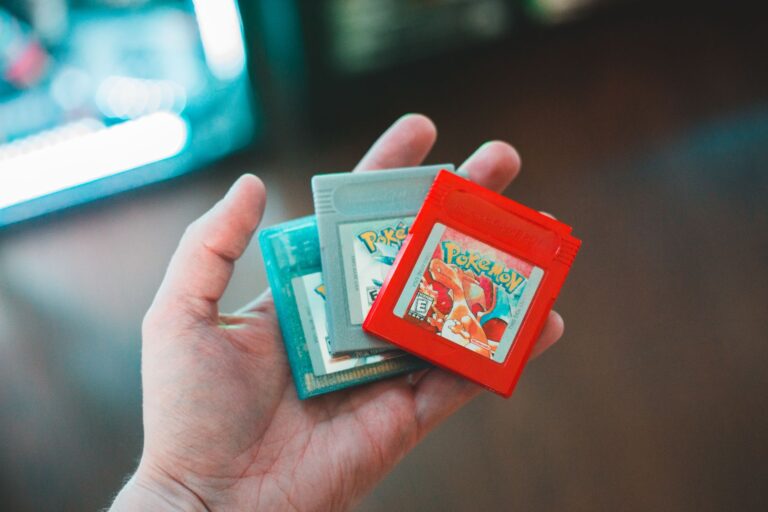
Base Set booster packs remain among the most sought-after collectibles in the Pokemon trading card market, but the landscape for buyers has fundamentally shifted since the 2020 boom peaked in 2022. What you need to know is straightforward: if you’re buying sealed Base Set packs today, you’re entering a market that has experienced dramatic price corrections after reaching historic highs—a first edition Base Set booster box that sold for $408,000 in 2022 represents the peak of a speculative run that has largely unwound. Modern Base Set reprints have fallen 20-45% from their 2021 highs, while genuinely vintage early printings have held their value more stubbornly, creating a two-tier market where edition, print run, and condition matter more than ever. The difference between buying in 2022 and buying today is not subtle. For example, an unlimited Base Set Charizard graded PSA 10 traded for around $35,000 at the 2021 peak, but similar cards were worth approximately $13,000 by 2025.
This correction was driven by a perfect storm: the Pokémon Company dramatically increased card production after 2019, printing 10.2 billion cards between April 2024 and March 2025 alone—roughly 60% of every card ever printed since 1996 was produced in just the last five years. That supply explosion coincided with a shift in buyer psychology as the hype cycle cooled and grading backlogs forced people to actually think about what they were holding. Understanding these market dynamics is essential because Base Set packs occupy a strange middle ground. They’re not recent releases with massive print runs, but they’re also not so scarce that prices have remained insulated from the broader correction. Buyers today need to distinguish between investment-grade sealed products that might still appreciate and collector acquisitions that offer better value than they did two years ago.
Table of Contents
- How the 2020-2022 Boom Created Today’s Market Reality
- The Production Explosion and Modern Card Correction
- Vintage vs. Modern—Why Early Printings Still Command Premiums
- Where Actual Value Exists in Today’s Market
- Counterfeits, Overpaying, and the Sealed vs. Raw Dilemma
- Grading Markets and the PSA/CGC Dynamic
- Market Outlook and Strategic Considerations Going Forward
- Conclusion
How the 2020-2022 Boom Created Today’s Market Reality
The Pokemon card boom that began in 2020 was unprecedented in its speed and scope. What started as isolated news stories about celebrities and TikTok influencers hunting for packs escalated into a genuine market event—by November 2020, a first edition base set booster box sold at auction for $360,000, a number that seemed unimaginable to longtime collectors just months earlier. That record held for only about a year. In 2022, another first edition Base Set booster box shattered expectations, selling for $408,000 at Heritage Auctions, cementing the idea that vintage sealed Pokemon products were assets with real monetary value.
The psychology of this boom cannot be separated from its consequences. Investors who couldn’t actually open or inspect the products they were buying treated sealed booster boxes like stocks, driving prices based purely on scarcity and hype rather than historical precedent. The problem was that this investor class had no baseline for comparison—nobody had reliable data on whether $400,000 for a sealed box was sustainable because there had never been enough sales volume to establish real market prices. The supply that followed, as graders and resellers realized the profit potential, collapsed the narrative that drove these astronomical prices upward.
The Production Explosion and Modern Card Correction
What happened next was inevitable but still shocking in its scale. The Pokémon Company responded to 2020’s demand by ramping production to levels the TCG had never seen. Between April 2024 and March 2025, the company printed 10.2 billion cards in a single fiscal year—compare that to the 1.5 to 2 billion cards printed annually before 2019, and the magnitude of the shift becomes clear. This wasn’t a gradual increase; it was a fundamental reset of production capacity that fundamentally altered the supply-and-demand equation for everything printed after 2019. The consequence for modern Base Set reprints and newer cards was severe. Graded modern cards across the board lost 20-45% of their value between the 2021 peak and 2025.
That unlimited Base Set Charizard PSA 10 example mentioned earlier tells the story perfectly: $35,000 to $13,000 is a 63% haircut. Condition and grading volume became the secondary story—PSA processed 15.3 million cards in 2024 with Pokemon representing 59% of all submissions, meaning the grading market itself became flooded. CGC matched its entire 2024 volume in just the first half of 2025, which only accelerated the timeline for collectors realizing their holdings were worth less than they’d paid. The critical limitation here is that modern reprints, while sometimes still valuable, are no longer viewed as scarcity plays. If you own a 1999 Base Set Shadowless pack, you own something that won’t be reprinted. If you own a modern Base Set reprint, you own something that can be and will be reprinted, and that psychological shift changed everything about how collectors and investors price these products. The market is still sorting through the implications.
Vintage vs. Modern—Why Early Printings Still Command Premiums
Despite the overall correction, one segment of the market has proven more resilient: genuinely vintage early printings. The distinction matters enormously. A first edition or shadowless Base Set pack from October 1996 (when Media Factory released the original run at 291 yen per pack, containing 10 cards with a 50/50 chance of a holographic per pack) is not the same category of item as an unlimited print or later reissue. The original print runs were finite, and no amount of modern production can create more of them. The data bears this out starkly.
In November 2025, a complete 1st Edition Base Set in PSA 10 sold for over $900,000—not as a single box, but as an entire set of first edition cards. More recently, individual first edition Base Set Charizard cards graded PSA 10 have traded around $264,000, suggesting that while they’ve come down from the absolute 2021-2022 peaks, they remain in a different valuation universe than unlimited or modern reprints. This isn’t arbitrary pricing; it’s a genuine recognition that 1st edition inventory is finite and will only become scarcer as cards are removed from the market through damage, loss, or collectors choosing to hold rather than sell. The lesson for buyers is simple: if you’re acquiring Base Set packs or cards as long-term holdings, the edition matters more now than it did during the boom. Shadowless, first edition, or clearly early print products have held value better because they have genuine scarcity. Unlimited printings and modern reprints have declined because their scarcity is illusory—the Pokémon Company can always print more, and recent history shows they will.

Where Actual Value Exists in Today’s Market
After the correction, buying strategy has to shift from “this is scarce so it will appreciate” to “does this represent fair value relative to its actual rarity and condition.” For sealed Base Set booster packs, this means understanding what you’re actually getting and paying accordingly. A heavily played unlimited Base Set pack selling for $1,000 might be a better value proposition than a near-mint first edition selling for $8,000, depending on your goals, because the unlimited pack is still authentic and collectible, just less rare. The practical reality is that graded cards have become the standard for pricing vintage cards, while sealed products rely more on rarity and provenance. If you’re buying sealed Base Set packs, you’re competing with both collectors and potential resellers, which means prices reflect speculation more than fundamentals.
The tradeoff is real: you can acquire individual 1st edition Base Set cards in PSA 10 condition for prices that are lower relative to their rarity than sealed packs command, because the card market has already experienced its correction and priced in the reality of 60% of all cards ever printed arriving in the last five years. For new buyers entering the market now, the opportunity exists in items that were overlooked during the hype. Packs with slight condition issues, second edition or unlimited printings of desirable cards, and raw (ungraded) vintage cards all represent better risk-adjusted value than they did in 2021. The comparison is instructive: a PSA 9 first edition Base Set Charizard might trade for $200,000+, while a PSA 8 of the same card could be $100,000 or less—you’re paying for a one-point condition difference that represents a significant percentage discount, which suggests the market is still finding equilibrium.
Counterfeits, Overpaying, and the Sealed vs. Raw Dilemma
A critical warning for anyone buying Base Set packs today: counterfeit products exist, and they’re sophisticated enough to fool casual buyers. The extreme prices that sealed Base Set boxes commanded in 2021-2022 created strong financial incentive for forgers to produce convincing fakes. If you’re buying a $5,000+ sealed pack, you need to buy from established auction houses or certified dealers with authentication guarantees, not private sellers on secondary marketplaces. The difference between authentic and counterfeit at that price point can cost you tens of thousands of dollars. The sealed vs. raw question also demands more scrutiny now than it did during the boom.
Sealed packs have a romance to them—the idea of unopened product from 1996 sitting undisturbed for nearly 30 years—but they’re also illiquid and difficult to authenticate without opening them. Raw cards, by contrast, can be held, inspected, and eventually graded if you want to unlock their value. During the peak, sealed packs commanded premiums because hype drove speculation; now that the market has cooled, that premium looks less justified to skeptics. Many serious collectors are choosing to buy raw 1st edition cards instead, where condition can be independently verified and pricing is more transparent. The limitation of sealed products is that you cannot independently verify their condition without destroying their value. A booster pack that appears to be in perfect condition from the outside might have internal damage, faded printing on the back, or other issues that would dramatically reduce its value if the pack were opened and the cards graded. This uncertainty is priced into sealed products—buyers pay a premium for potential, but that premium is riskier now that the market knows production volume will only increase.

Grading Markets and the PSA/CGC Dynamic
The explosion in grading volume has had unexpected consequences for pricing. PSA processed 15.3 million cards in 2024, with Pokemon representing 59% of submissions, meaning nearly 9 million Pokemon cards passed through their grading pipeline in a single year. CGC, the competing grader, has matched that entire 2024 volume in just the first half of 2025, suggesting the backlogs are clearing and turnaround times are improving.
However, this has also flooded the market with graded modern cards, many of which were graded as speculations that didn’t pan out. The practical effect is that PSA and CGC 10s of modern cards are now relatively common compared to the scarcity of high-graded vintage cards. A PSA 10 unlimited Base Set Charizard is substantially rarer than a PSA 10 of almost any card from the last decade, which is why vintage cards have held their condition premiums better. If you’re buying graded cards, understanding the difference between vintage and modern grading populations is essential—a PSA 10 doesn’t mean the same thing if it’s one of 50 copies (vintage) versus one of thousands (modern).
Market Outlook and Strategic Considerations Going Forward
The Pokemon card market has normalized from its 2020-2022 peak, but it has not returned to pre-boom levels. Demand remains substantially higher than it was in 2019, which suggests that even though prices have corrected, the underlying collector base is larger and more engaged than before. The Pokémon Company has shown no signs of reducing production, which means future supply will remain abundant for modern releases.
This creates a structural headwind for new Base Set reprints and modern products that didn’t exist for 1996 originals. For buyers considering Base Set booster packs as long-term holdings, the most likely scenario is continued modest appreciation for genuinely scarce early printings (1st edition, shadowless), relative stability for unlimited and early reprints, and potential continued weakness for recent reprints and modern products. The market has matured enough that irrational exuberance is less likely, but genuine scarcity should still command premiums. Base Set will always have collector appeal because it represents the origin of the TCG, but that appeal is no longer enough to overcome fundamental supply-and-demand economics.
Conclusion
Buyers should approach Base Set booster packs today with a clear-eyed assessment of what they’re purchasing. If you’re buying a 1st edition sealed pack or high-graded first edition card, you’re buying genuine scarcity that has proven resilient through the market correction. If you’re buying unlimited or modern reprints, you’re buying collectible products that have already experienced substantial price adjustment and may offer better value than they did two years ago, but with less upside potential. The $408,000 booster box sales of 2022 were the peak of a hype cycle, not a sustainable new floor for pricing.
The path forward requires distinguishing between investment and collecting. As an investment, Base Set boxes at current prices are riskier than they were in 2019 because the broader market has already repriced them for the reality of massive production increases. As collectibles, however, 1996 Base Set products remain historically significant and genuinely scarce, which means they can hold collector appeal independent of speculative pricing. Focus on condition, edition, and rarity—and be prepared to hold long-term rather than expecting the appreciation rates of the 2020-2022 period.