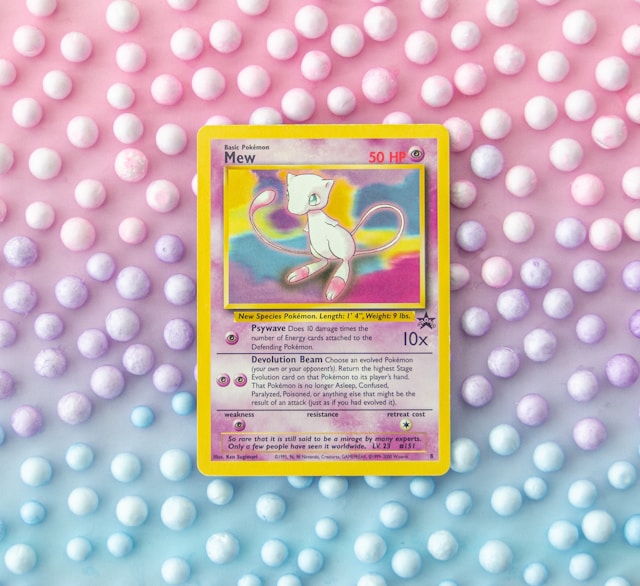
Pokémon Gold Star cards are some of the rarest and most sought-after collectibles in the Pokémon Trading Card Game (TCG). These cards are instantly recognizable by the shiny gold star symbol (☆) next to the Pokémon’s name, and they have become legendary among collectors for their scarcity, unique artwork, and high market value. This article will explain what Gold Star cards are, which ones were released internationally, how they differ from other cards, and why they are so special to fans around the world.
Gold Star cards first appeared in the Pokémon TCG during the EX series, which ran from 2003 to 2007. The EX series was a major era for the game, introducing new mechanics and card types, but the Gold Star cards stood out because they were not just powerful in gameplay—they were also incredibly rare. Each Gold Star card features a Pokémon with a special holographic treatment and that distinctive gold star, making them visually striking and easy to spot in a collection.
Internationally, Gold Star cards were released in several English-language sets, as well as in other languages where the Pokémon TCG was officially distributed. The main English sets that included Gold Star cards were:
– EX Team Rocket Returns (2004)
– EX Deoxys (2005)
– EX Emerald (2005)
– EX Unseen Forces (2005)
– EX Delta Species (2005)
– EX Legend Maker (2006)
– EX Holon Phantoms (2006)
– EX Crystal Guardians (2006)
– EX Dragon Frontiers (2006)
– EX Power Keepers (2007)
These sets were released in North America, Europe, Australia, and other regions where English-language Pokémon cards were sold. Each set typically included one or two Gold Star cards, and pulling one from a booster pack was extremely unlikely—these cards were inserted at a rate of about one per every two or three booster boxes, making them true chase cards for collectors.
The Pokémon featured as Gold Star cards were often fan favorites or rare species. Some examples include Charizard, Mewtwo, Pikachu, Rayquaza, and Metagross. Each Gold Star card has unique artwork, usually showing the Pokémon in a dynamic pose with a detailed background, and the holographic foil extends over the entire card, not just the illustration box.
In addition to the main sets, some Gold Star cards were released as special promos. For example, the Greninja Gold Star (SWSH144) was a promotional card released internationally to celebrate the 25th anniversary of the Pokémon TCG[6]. These promo Gold Star cards are even rarer than their set counterparts, as they were often given out at special events or included in limited-edition products.
Gold Star cards were not just released in English. They also appeared in other languages where the Pokémon TCG was officially distributed, such as German, French, Italian, Spanish, and Portuguese. However, the availability and distribution of Gold Star cards in non-English languages were sometimes different, with certain cards being harder to find or released in different products.
One of the reasons Gold Star cards are so valuable is their rarity. Because they were inserted into packs at such a low rate, many collectors opened dozens or even hundreds of packs without ever finding one. This scarcity, combined with the unique artwork and the popularity of the featured Pokémon, has driven prices for Gold Star cards into the thousands of dollars on the secondary market. For example, the Espeon Gold Star from the POP Series 5 promotional set regularly sells for thousands of dollars, and other Gold Star cards can command similar prices depending on their condition and popularity[5].
The appeal of Gold Star cards goes beyond their rarity and value. For many collectors, these cards represent a high point in the history of the Pokémon TCG, a time when the game was evolving rapidly and introducing new ideas to keep players engaged. The Gold Star mechanic was eventually retired after the EX series, making these cards a unique part of the game’s history.
It’s important to note that while Gold Star cards are highly collectible, they are not medically significant in any way. There are no health benefits or risks associated with collecting or handling Pokémon cards, including Gold Star cards. If you have concerns about allergies or other medical issues related to collectibles, it’s always best to consult a healthcare professional for personalized advice. The Pokémon Company and its partners have not issued any medical warnings related to their trading cards, and standard safety practices for handling collectibles apply.
In terms of gameplay, Gold Star cards are often powerful, with high HP and strong attacks, but their true value lies in their collectibility rather than their use in competitive play. Many collectors keep their Gold Star cards in protective cases to preserve their condition, as even minor wear can significantly affect their value.
The legacy of Gold Star cards continues to grow as new generations of collectors discover the Pokémon TCG. While the cards themselves are no longer being printed, their influence can be seen in later rare card types, such as the “Shining” and “Secret Rare” cards that followed in subsequent sets. For many fans, owning a Gold Star card is a milestone, a symbol of dedication to the hobby and a connection to a special era in Pokémon history.
If you’re interested in starting a Gold Star collection, be prepared for a challenge. These cards are hard to find, and authentic copies can be expensive. Always buy from reputable sellers, and consider having valuable cards professionally graded to verify their authenticity and condition. Whether you’re a longtime fan or a new collector, Gold Star cards offer a unique glimpse into the rich and ever-evolving world of the Pokémon Trading Card Game.