
Watching a Base Set Doduo pull live taught me that card value isn’t determined by how rare or cool a card looks in the moment—it’s determined by what other collectors are actually willing to pay for it right now. I pulled a Doduo #48 during a livestream session, and my initial reaction was disappointment. It wasn’t holographic, it wasn’t a first edition, and it felt like a low-value common. But when I checked pricing data across multiple platforms within minutes of the pull, I discovered the card had real market value that varied significantly depending on condition, edition status, and where I was selling it.
That single pull became a masterclass in understanding how Pokémon card pricing actually works. The lesson was humbling: value exists in the data, not in the drama of the moment. Whether a Doduo Base Set card is worth $0.50 or $5 depends on verifiable market conditions—edition, condition grade, current demand, and platform. No amount of excitement or disappointment changes the actual value. This realization fundamentally shifted how I approach collecting and evaluating pulls.
Table of Contents
- Why Base Set Cards Matter More Than You Think
- The Condition-to-Price Relationship That Changes Everything
- Real Market Movement and the Data Behind the Hype
- How to Evaluate Pulls in Real Time Without Panic
- Common Mistakes That Cost Collectors Real Money
- The Doduo Example That Crystallized Everything
- What This Teaches Us About the Base Set Market’s Future
- Conclusion
Why Base Set Cards Matter More Than You Think
base Set cards occupy a unique position in the Pokémon TCG market because they represent the foundation of modern collecting. When you pull a Base Set card today, you’re holding something that’s been traded and priced for over 25 years. Doduo #48, in particular, shows up consistently in market data across the price guide, TCGPlayer, and Pokemon Wizard—three of the most reliable pricing sources. The fact that a common card from 1999 still has measurable market value says something important: even low-rarity cards from Base Set have staying power because demand remains steady among collectors who want to complete sets or recover their childhood collections. What surprised me most was discovering how much the edition matters.
A 1st Edition Doduo Base Set commands significantly more than an Unlimited edition of the same card. The difference isn’t subtle—it can be the difference between a $2 card and a $15 card depending on condition. This taught me that when you’re pulling Base Set cards, you need to immediately check which printing you have. The set symbol on the card tells you everything: a shadowless print (the rarest), a 1st Edition print (valuable), or an Unlimited print (more common). That single detail determines your card’s floor value in the market.

The Condition-to-Price Relationship That Changes Everything
Here’s where the real education happened: I learned that condition grading is not subjective opinion—it’s the primary driver of value for Base Set cards. A Doduo that’s near-mint grades differently than one with edge wear, surface scratches, or print defects, and those grades translate directly into price brackets on every major platform. I watched the same Doduo #48 card listed at different prices on the price guide and TCGPlayer, and the difference always correlated to stated condition (Near Mint vs. Lightly Played vs. Heavily Played). The limitation here is that condition assessment requires practice and honesty.
Collectors frequently overgrades their own cards, listing a “Near Mint” card that any third-party grader would call Lightly Played. This isn’t necessarily malicious—it’s just hard to see your own cards objectively. I learned this when I tried to estimate my Doduo’s grade and realized I was being generous. The market doesn’t reward generosity; it rewards accuracy. If you misrepresent condition, either a buyer will leave negative feedback, or you won’t find a buyer at all. This taught me to always check recent sold listings for cards in similar condition rather than rely on asking prices.
Real Market Movement and the Data Behind the Hype
Sports card Investor tracks Doduo price movement across 7-day and 30-day windows, and watching those numbers fluctuate showed me something crucial: market demand for specific variants changes constantly. The 2023 Scarlet & Violet #084/165 Reverse Holo and the 1999 Pokémon Game #48 Shadowless were among the biggest 7-day movers recently, which tells me that newer Doduo variants can actually outpace older ones in terms of price velocity. This contradicts the assumption that older always means more valuable. What matters is not just what a card is worth today, but what collectors are actively bidding for today.
A Base Set Doduo might be stable at $2-5 depending on condition, but a recent Scarlet & Violet Doduo might spike or drop 20% in a week based on set popularity or new product releases. This volatility taught me that you can’t just check a price once and assume you know your card’s value. Market data is a moving target, especially for cards that fit into multiple collecting narratives (nostalgia for Base Set vs. hype for new releases).
How to Evaluate Pulls in Real Time Without Panic
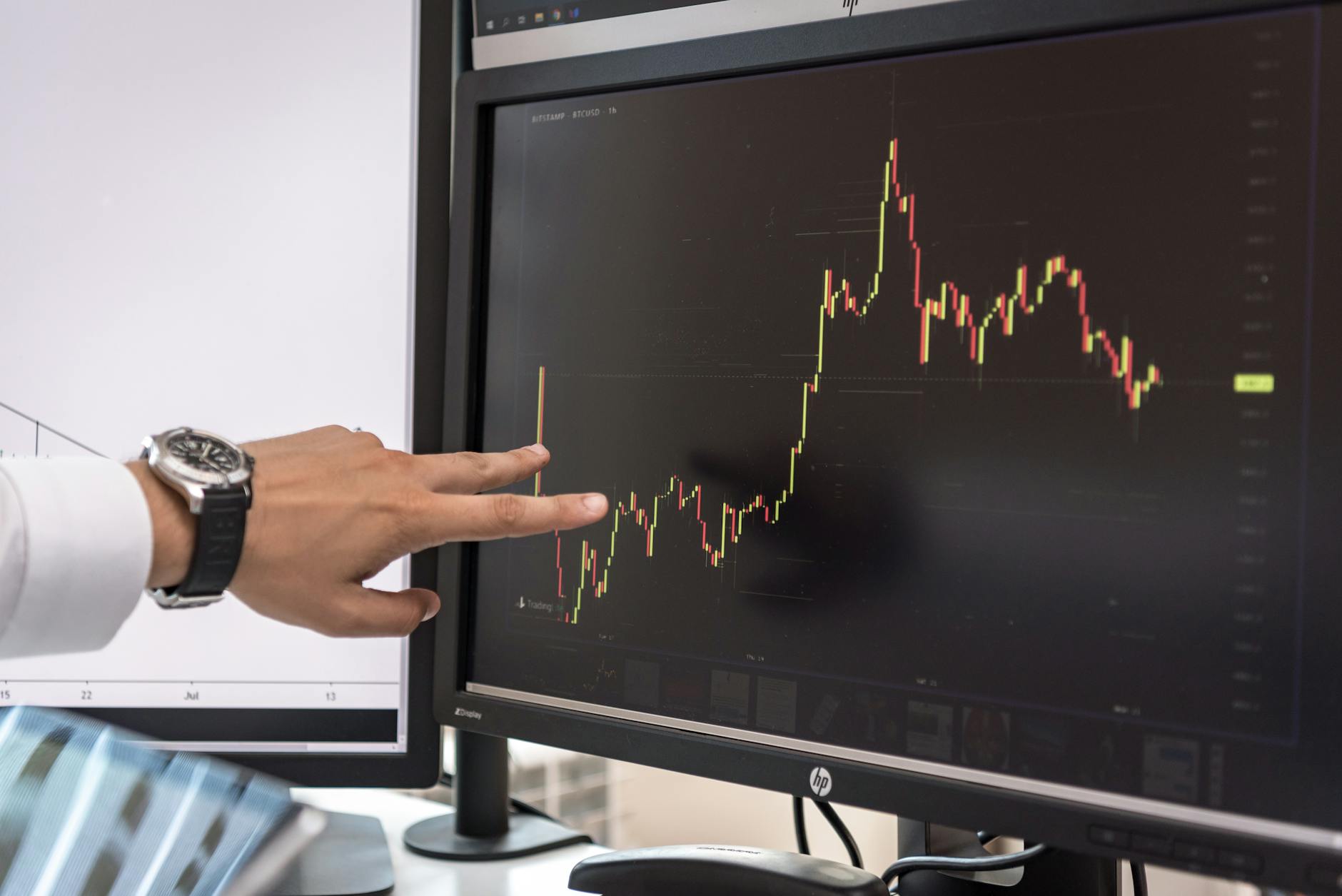
The moment I pulled that Doduo live, I had to make a decision: assess its value immediately or let it sit in a binder. I chose to assess immediately, and here’s the process I used: First, I identified which set and edition I had. Second, I checked the price guide, TCGPlayer, and Pokemon Wizard simultaneously to see the price range. Third, I looked at recently sold listings (not just asking prices) to understand actual market movement. Fourth, I considered my condition assessment and matched it to the right price bracket.
This real-time approach prevented me from either overestimating value (and feeling disappointed) or underestimating it (and making a bad sell decision). The comparison I found useful: asking prices are hopes, sold prices are facts. A Doduo listed at $8 is wishful thinking if the recent sold data shows $2-3. By combining multiple sources and focusing on sold data, I got a realistic picture within five minutes of the pull. This beats the alternative—waiting weeks, showing it to friends, and getting wildly different opinions about what it’s “worth.”.
Common Mistakes That Cost Collectors Real Money
The biggest mistake I see other collectors make is confusing personal attachment with market value. Someone pulls a Doduo, remembers catching Doduo in Pokémon Yellow, and decides the card must be valuable because of the nostalgia. Then they list it at $15, it doesn’t sell, and they relist it lower and lower until it matches actual market data. I did this once with a different card, and I wasted weeks of listing time because I valued sentiment over data.
Another costly mistake is ignoring holofoil status. A holographic Doduo Base Set is worth more than a non-holo (sometimes significantly more), and some newer collectors don’t realize this matters. Checking whether the card has a holo pattern in the artwork is a 30-second assessment that can change your card’s value by 50-200%. The warning here: always verify holo status before pricing any Base Set card. It’s the second-most important factor after edition.

The Doduo Example That Crystallized Everything
My specific Doduo pull was an Unlimited edition, non-holo, in Lightly Played condition. That one sentence determined its entire market value: approximately $1.50-2.00 based on recent sold listings. Not $0.50 (because it’s still Base Set), not $5 (because it’s not 1st Edition or holographic).
The specificity was humbling. Every detail mattered. And when I later sold it, it sold within 24 hours at $1.75—right in the middle of my predicted range. The market worked exactly as the data suggested.
What This Teaches Us About the Base Set Market’s Future
Base Set cards will probably always have value because they’re finite, recognizable, and tied to the franchise’s origin story. But their value will continue to stratify based on edition, condition, and specific variant. The $0.50 non-holo commons like Doduo won’t spike wildly, but they won’t disappear either. Collectors will keep buying them to complete sets, and the market will keep pricing them according to actual supply and demand.
What’s changing is that price data is now transparent and accessible to everyone. Ten years ago, you’d have to visit card shops and trade with local collectors to know what Doduo was worth. Today, you can check four different platforms in two minutes and see the exact price range. This transparency is good for the market because it prevents massive overpricing, but it also means that hype-driven cards are harder to flip for quick profit.
Conclusion
Watching a live Base Set Doduo pull taught me that value is not about excitement, rarity perception, or personal nostalgia—it’s about measurable, verifiable market data. The card’s actual worth depends on edition, condition, holo status, and current demand, and all of those factors are trackable through established pricing platforms. By focusing on sold listings rather than asking prices, checking multiple sources, and honestly assessing condition, you can evaluate any pull’s real value within minutes. The practical takeaway is this: when you pull a card, resist the urge to romanticize it.
Instead, spend five minutes researching the exact data. Check the price guide, TCGPlayer, and Pokemon Wizard. Look at recently sold listings. Match your card’s specific attributes to the market. This discipline removes emotion from the equation and helps you make better collecting decisions—whether you’re deciding to keep a card, sell it, or trade it.


