Selling a Base Set Koffing on Facebook Marketplace requires understanding both the card’s value and the platform’s strengths for collector transactions. A non-shadowless Base Set Koffing typically sells for around $0.53, while the rarer shadowless variant commands $13.87—a significant price difference that directly impacts your listing strategy. Facebook Marketplace is particularly effective for this type of sale because it eliminates seller fees entirely, unlike specialized trading card platforms, and allows you to reach local buyers who may prefer avoiding shipping costs and risks altogether.
The key to success lies in recognizing that Facebook Marketplace operates differently than dedicated Pokemon card sites like TCGPlayer or Troll and Toad. While those platforms attract knowledgeable collectors willing to pay premium prices for high-value cards, Facebook Marketplace excels at connecting you with local enthusiasts, casual collectors, and buyers who value the convenience of face-to-face transactions. Even a modest card like Base Set Koffing has an audience on Facebook, especially when properly photographed and described.
Table of Contents
- How Should You Price Your Base Set Koffing on Facebook Marketplace?
- What Role Does Card Condition Play in Your Sales Strategy?
- How Can High-Quality Photography Increase Your Sales Chances?
- Why Should You Use Product Tags, and How Many Is Optimal?
- What Are Common Pitfalls That Derail Sales of Low-Value Pokemon Cards?
- How Do Platform Comparisons Affect Your Sales Strategy?
- What Does the Future Hold for Selling Base Set Pokemon Cards Locally?
- Conclusion
How Should You Price Your Base Set Koffing on Facebook Marketplace?
Accurate pricing directly impacts your listing’s success. Current market data shows non-shadowless base Set Koffing cards at approximately $0.53, while shadowless editions reach $13.87—a nearly 26-fold difference. Before listing, check whether your card is shadowless by examining the right edge of the card; shadowless cards lack the characteristic black border that became standard in later printings. This distinction is crucial because a misprice can either leave money on the table or make your listing uncompetitive.
On Facebook Marketplace specifically, you have flexibility to price slightly above or below market rate depending on the card’s condition and your urgency to sell. A played, heavily worn Base Set Koffing might reasonably price at $0.25 to $0.35, while one in near-mint condition could justify $0.75 to $1.00. If you’re uncertain about grading, describe the condition honestly in your listing—minor creases, print lines, and wear directly affect value. Many local buyers appreciate transparency over inflated prices, leading to faster sales and repeat customers.

What Role Does Card Condition Play in Your Sales Strategy?
Condition assessment determines whether your Koffing is a quick local sale or a more involved transaction requiring detailed documentation. Base set cards from the late 1990s commonly show signs of age—light scratches on the holographic area, slight creasing along edges, or fading from sunlight exposure. These imperfections must be clearly described in your listing because buyers will discover them upon inspection, and misrepresentation leads to failed transactions or negative feedback.
A critical limitation to understand: the resale market for low-value common cards like Koffing shrinks dramatically as condition deteriorates. A heavily played card might be virtually worthless to a grading-conscious collector, but still has value to someone building a casual collection or simply wanting nostalgia. This is where Facebook Marketplace’s local-sale advantage becomes apparent—you can connect with neighborhood collectors who care less about pristine condition and more about completing their set affordably. However, never misrepresent condition as better than it is; Facebook Marketplace disputes favor honest sellers with clear photographic evidence.
How Can High-Quality Photography Increase Your Sales Chances?
Visual presentation dramatically affects whether potential buyers even consider your Koffing. Use multiple photos taken from different angles under natural lighting—front of the card, back, and close-ups of any significant wear or damage. Avoid cluttered backgrounds; a plain white or light gray surface lets the card remain the focus. One common mistake is photographing cards against dark backgrounds or using flash, which creates glare and hides important details that buyers want to evaluate.
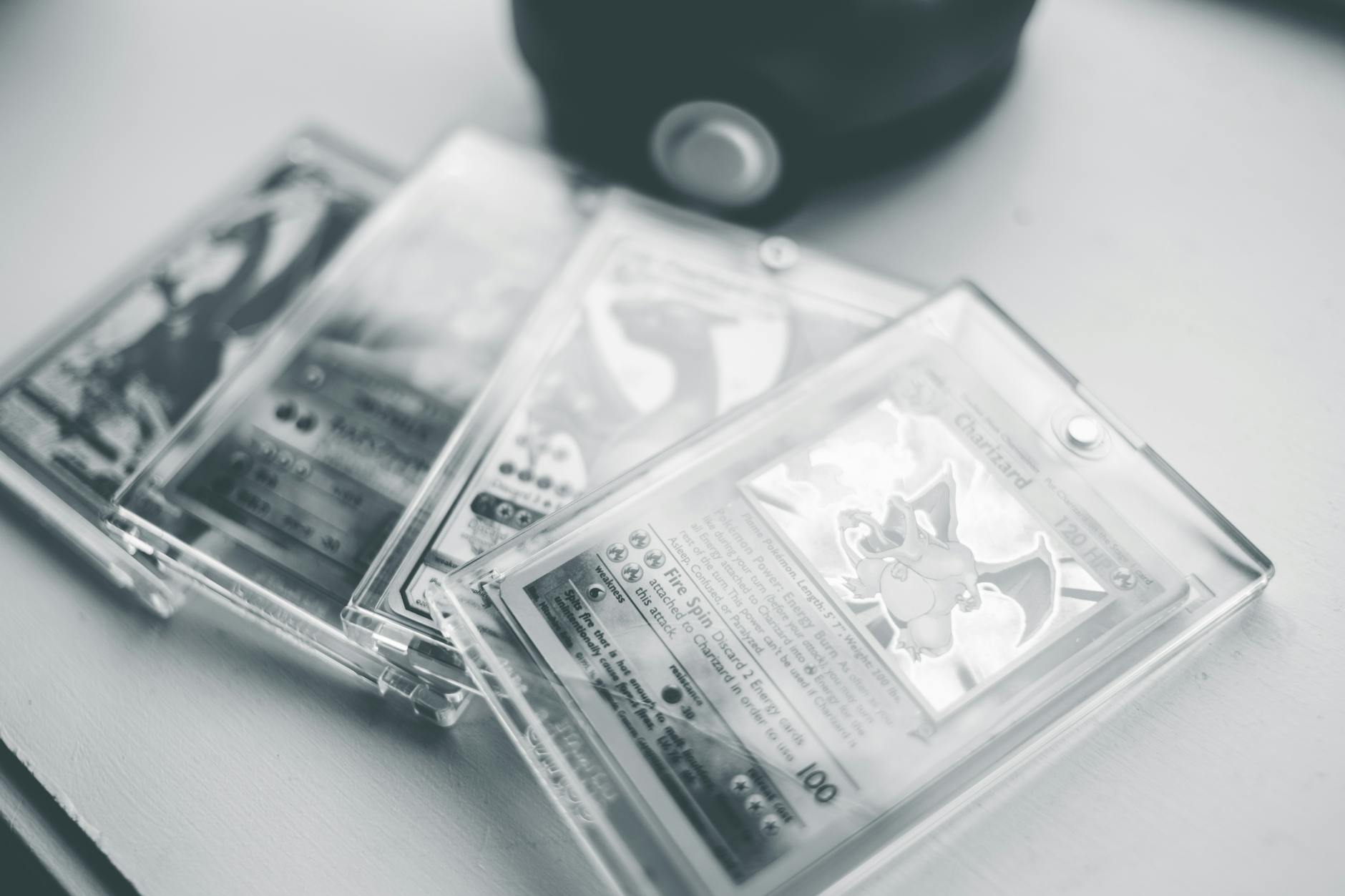
Include at least one photo showing the card’s edge to confirm whether it’s shadowless or first edition (indicated by a stamp on the bottom right). If your Koffing is centered well and shows minimal print defects, highlight this in photos by capturing the left and right margins. Many sellers overlook card centering—the alignment of the image within the card border—but it’s a legitimate quality indicator that affects resale appeal. A well-centered Base set koffing in decent condition will photograph better and generate more inquiries than a poorly centered one photographed carelessly.
Why Should You Use Product Tags, and How Many Is Optimal?
Facebook Marketplace allows up to 20 product tags per listing, and using this feature strategically increases visibility to relevant buyers searching for your card. Instead of simply tagging “Pokemon,” include variations like “Base Set,” “Koffing,” “vintage Pokemon cards,” “1990s collectible,” and “TCG.” Each tag casts a wider net because potential buyers might search using different terminology than you’d expect. Compare this to listing without tags: your Koffing appears only in broad category searches and might get buried among thousands of other listings.
With strategic tags, a buyer searching “Base Set poison Pokemon” or “1990s cards collectible” can discover your listing. However, avoid tag stuffing with irrelevant terms—tagging your Koffing as “charizard” or “holographic grail” violates Facebook’s policies and trains the algorithm to deprioritize your listings. Honest, specific tags that genuinely describe your card build credibility and attract serious collectors rather than casual browsers.
What Are Common Pitfalls That Derail Sales of Low-Value Pokemon Cards?
Overpricing ranks as the primary obstacle when selling a card with a market value of around $0.53. Sellers sometimes list common Base Set cards at $3 to $5, expecting buyers to accept their optimistic valuations. This pricing disconnect results in listings that sit unsold for weeks, accumulating zero interest despite appearing regularly in searches. On Facebook Marketplace, where local buyers have the option to walk away immediately after seeing your card in person, overpricing is especially damaging.
Another critical limitation: shipping costs can exceed the card’s value. If you’re not handling this sale locally, a $0.53 card plus $4 to $5 in shipping creates a total cost of $4.50 to $5.50 for the buyer—an uncompetitive price point. This is why Facebook Marketplace’s local-sale model works better for common cards than platforms like TCGPlayer or mail-based services. Many sellers of low-value cards make the mistake of insisting on shipped sales, which prices them out of the market. Instead, emphasize “local pickup only” or “meetup at [location]” to eliminate shipping friction and attract budget-conscious buyers.
How Do Platform Comparisons Affect Your Sales Strategy?
TCGPlayer and Troll and Toad function as high-volume specialty platforms where serious collectors congregate and pay competitive prices—but these sites are better suited to cards worth $10 or more. For a $0.53 card, the listing visibility is poor, and buyer traffic consists primarily of power collectors assembling complete sets in bulk. Facebook Marketplace, by contrast, reaches casual buyers, neighborhood collectors, and people clearing out old collections, making it ideal for low-value cards. Additionally, Facebook Marketplace charges zero seller fees, whereas TCGPlayer and similar platforms take percentage-based commissions that would consume a significant portion of your Koffing’s value.
Your choice depends on motivation and timeline. If you’re motivated by maximum profit per card, specialized platforms might yield slightly higher prices—but the effort required often exceeds the gain. If you’re motivated by quick, hassle-free sales, Facebook Marketplace wins decisively for common cards. The example here is straightforward: listing one Base Set Koffing on TCGPlayer costs you effort and commissions for minimal return, whereas a Facebook Marketplace listing reaches local buyers immediately and closes quickly without fees.
What Does the Future Hold for Selling Base Set Pokemon Cards Locally?
The collector market for Base Set Pokemon cards remains resilient, driven by nostalgic millennials and new entrants to the hobby. However, the market for common cards like Koffing has become increasingly local and casual rather than speculative. Unlike rare cards that appreciate or hold steady value, common cards depend on demand from people actively building collections or seeking specific sets. This trend suggests that Facebook Marketplace and similar local platforms will remain the optimal channel for selling bulk commons for years to come.
As Pokemon TCG interest continues to fluctuate, your Base Set Koffing may encounter varying interest levels. During peak nostalgia cycles or after new Pokemon releases, local interest spikes and your listing may sell within days. During slower periods, the same card might take weeks. Timing your sales around major Pokemon news, card game tournaments, or holiday gift-giving seasons can improve results. The takeaway: don’t expect your low-value card to become valuable, but recognize that local, honest sales remain viable for any authentic collectible.
Conclusion
Selling a Base Set Koffing on Facebook Marketplace succeeds when you combine accurate pricing ($0.53 for non-shadowless, $13.87 for shadowless), honest condition assessment, clear photography, strategic tagging, and local transaction focus. The platform’s zero fees, combined with its access to neighborhood collectors and casual buyers, makes it superior to specialized card platforms for common cards. Emphasizing local sales eliminates shipping costs that would otherwise price out potential buyers, and transparent product descriptions build the trust necessary for smooth transactions.
Begin by photographing your Koffing clearly, grading its condition realistically, and listing it with strategic tags and a competitive local price. If the card sits without inquiries after two weeks, slightly reduce your price—the goal is moving inventory, not achieving maximum per-card profit. Monitor local marketplace activity, respond promptly to messages, and prioritize meetups in safe, public locations. By following these practical steps, you’ll successfully convert your Base Set Koffing into cash without the complexity or fees associated with specialized trading card platforms.