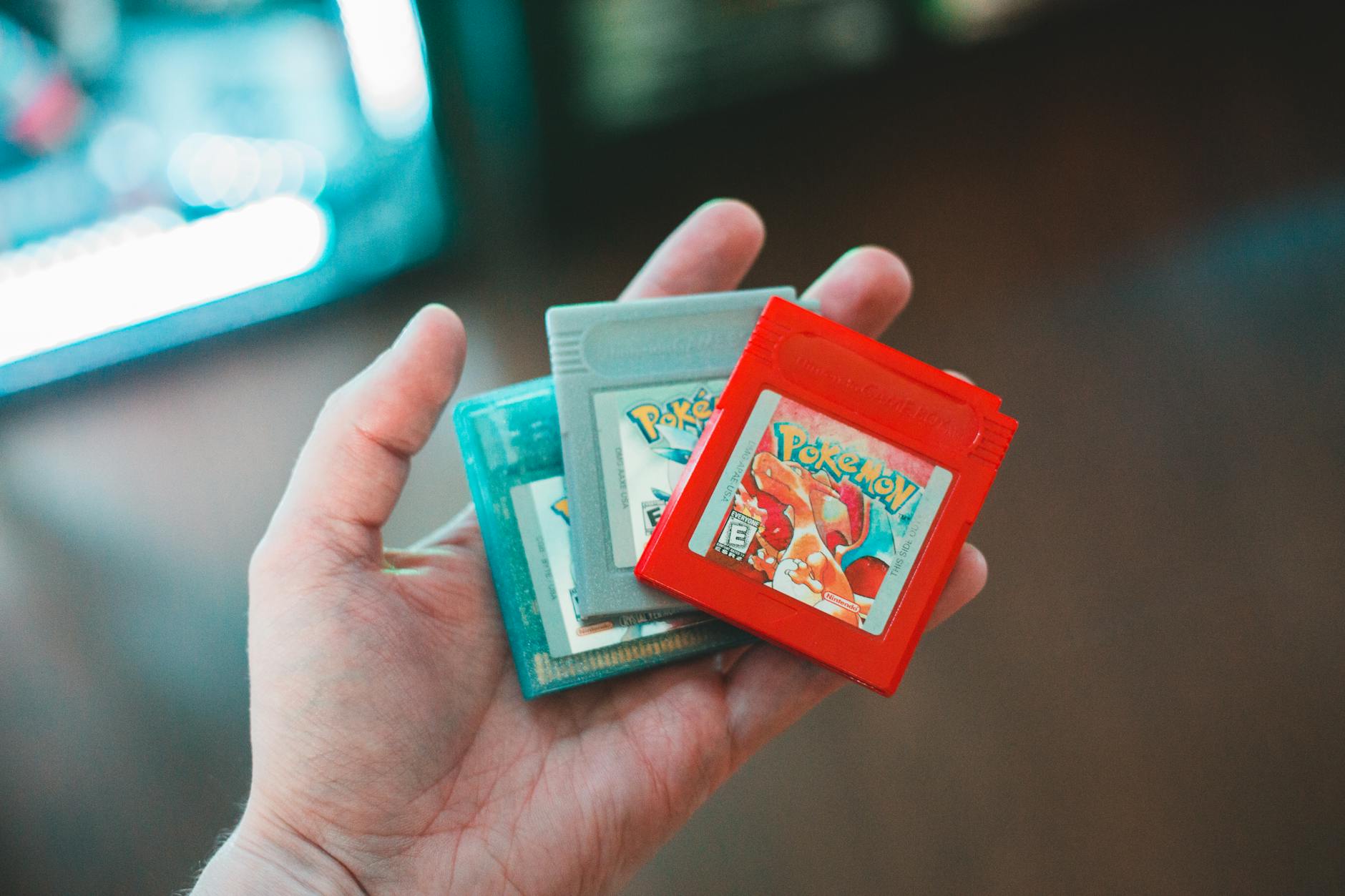
The Pokémon Trading Card Game’s Generation 2 era—covering the Gold, Silver, and Crystal sets released from 2000 to 2001—is experiencing a significant revaluation among serious collectors. For years, these early expansions were dismissed as inferior to their Base Set predecessors or overshadowed by the explosive interest in later generations like EX and GX eras. Today, dealers and collectors are recognizing that Gen 2 cards represent a pivotal moment in the TCG’s history, with rare holos and key cards now commanding prices that reflect their scarcity and cultural importance.
This shift isn’t driven by nostalgia alone. The Gen 2 era marks where Pokémon’s collectible card game began differentiating itself from Magic: The Gathering through its own mechanics, artwork style, and distribution patterns. Cards from Neo Genesis and Neo Revelation, for instance, were printed in far fewer quantities than Base Set—a fact that’s finally being reflected in market data. Collectors who previously overlooked these sets are now competing for the same limited pool of high-grade specimens.
Table of Contents
- Why the Neo Era Was Overlooked for Two Decades
- Market Data Reveals the Scarcity Problem
- The Emergence of Neo as a Serious Collecting Category
- Collecting Neo Sets Without Overpaying
- The Counterfeiting and Authentication Challenge
- Specific Cards Leading the Neo Renaissance
- The Future of Gen 2 Collecting
- Conclusion
Why the Neo Era Was Overlooked for Two Decades
The dismissal of Gen 2 sets stemmed partly from distribution realities. While Base Set became a cultural phenomenon with widespread retail penetration, Neo sets faced tighter production windows and less aggressive marketing. By the time these sets hit shelves, the initial pokémon craze had peaked, and casual players were less likely to open booster packs. This meant fewer sealed products survived, and the cards that did were often played hard rather than preserved in near-mint condition.
The artistic direction also played a role in Gen 2’s undervaluation. The Neo era introduced a softer, more illustrative style compared to Base Set’s bold imagery. Modern collectors coming of age during the digital era often gravitated toward flashier, more contemporary card designs. For years, this meant Neo Genesis and Neo Revelation holos—cards with subtle gradients and detailed backgrounds—were seen as dated rather than historically significant.

Market Data Reveals the Scarcity Problem
Recent price tracking shows that key Gen 2 cards have appreciated 150-300% over the past three years, outpacing even some first edition Base Set commons. A near-mint Lugia from Neo Genesis, for example, has moved from a $400-500 range in 2022 to $900-1,200 today. However, there’s an important limitation to understand: this appreciation applies almost exclusively to high-grade copies. A played or moderately worn copy of the same card might fetch only $150-250, creating a sharp divide between investment-grade and collection-grade specimens.
The supply constraint is real but also easy to overestimate. While fewer Neo packs were opened than Base Set packs, the absolute numbers are still substantial. The danger for new collectors is assuming every Gen 2 card will become valuable simply because the set is older. Commons and uncommons remain abundant and will likely never gain significant value.
The Emergence of Neo as a Serious Collecting Category
Serious grade-focused collectors are now treating Neo sets with the same rigor previously reserved for base Set first editions. BGS and PSA submissions for these cards have tripled since 2023, signaling that institutional collecting—dealers building inventories and flippers pursuing profit—now sees Gen 2 as legitimate. This has created genuine liquidity in the market where previously, selling a Neo holo might have taken weeks.
The key cards driving this movement are the legendary holos and first-edition stamped versions. A first edition Typhlosion from Neo Genesis or a pristine Feraligatr command collector premiums of 2-5x over unlimited prints. This parallels the Base Set market precisely: condition and edition status matter enormously, while generic bulk cards stagnate.
Collecting Neo Sets Without Overpaying
For collectors entering the Neo market, the strategy should differ significantly from chasing Base Set nostalgia. Instead of pursuing every holo, focus on specific cards with proven demand: the main legendaries, the stage 2 pokémon that saw actual tournament play, and any first editions you can acquire below current market rates. Buying lightly played or moderately played copies can yield 60-70% savings compared to near-mint while still capturing the appreciation upside.
One practical warning: be cautious of “raw” (ungraded) Neo cards priced as if they’re gem mint. Sellers on the secondary market often overestimate condition, and the soft print lines and wear patterns on 25-year-old cardstock are easy to misjudge. If you’re buying above $200 for a single card, professional grading becomes advisable—the cost of authentication pays for itself on anything with real value.
The Counterfeiting and Authentication Challenge
As prices rise, the counterfeiting problem has become real. Chinese reproductions of Neo holos have improved significantly in recent years, and the softer artwork of Gen 2 cards makes them slightly easier to fake convincingly than Base Set’s bolder designs. Authentic Neo cards have specific traits—ink saturation, paper texture, and holo pattern consistency—that require hands-on experience to verify.
The limitation here is that even experienced collectors can be fooled. The safest approach for high-value purchases is always professional grading through PSA or BGS. Never buy a Neo holo graded above $500 in raw condition without authentication. Another warning: some sellers offer “guarantees” of authenticity without professional backing; these guarantees are worthless if they lack institutional credibility.

Specific Cards Leading the Neo Renaissance
The Legendary Birds trio from Neo Genesis—Articuno, Zapdos, and Moltres—have appreciated the most dramatically, partially because they were genuinely scarce even among the small population of opened packs. A PSA 8 Zapdos might have been worth $150 five years ago; today it’s $700-800. The Typhlosion line and the water-type holos have shown similar trajectories, driven by a combination of scarcity and the competitive relevance these cards had during their original tournament era.
The Future of Gen 2 Collecting
As the Pokémon collecting market matures, Gen 2 will likely continue its steady appreciation as more institutional collectors seek complete runs of early TCG sets. The absolute upside is probably more limited than Base Set—fewer sealed boxes will ever be uncovered, and the cultural weight of Neo is inherently less than the original sets. However, for patient collectors with three-to-five-year time horizons, this era represents solid value compared to speculating on current-era special releases.
The market is unlikely to overheat the way it did in 2021 with PSA grading backlogs and million-dollar sales headlines. Instead, expect steady dealer buying, gradual price increases, and increasing professionalization in how these cards are authenticated and traded. Gen 2 is transitioning from forgotten to foundational.
Conclusion
The Pokémon Trading Card Game’s Gen 2 era—Neo Genesis, Neo Revelation, and related early 2000s sets—is finally receiving the respect its historical significance and scarcity warrant. After two decades of undervaluation, serious collectors now recognize these sets as a crucial bridge between the cultural phenomenon of Base Set and the mechanical innovations that defined modern Pokémon TCG. The appreciation has been real: key cards have appreciated significantly, and market liquidity has improved dramatically.
For collectors considering entry into this category, the approach should be strategic rather than speculative. Focus on high-grade first editions and legendary holos with proven demand, remain vigilant about counterfeits, and understand that bulk cards in these sets will never achieve the value premiums that key cards command. Gen 2 collecting is no longer a niche interest—it’s now part of the serious TCG market.
You Might Also Like
- This Forgotten Pokémon Print Run Could Be Worth Watching in 2026
- This Underfollowed Pokémon Segment Still Looks Interesting
- This Hidden Pokémon Opportunity Still Feels Early