
The smartest vintage Pokémon strategy isn’t a complex formula involving technical analysis, market timing, or chasing the latest hype. It’s simpler: buy quality cards from a stable, growing market and hold them for a decade. That’s the core insight, and it works because the fundamentals have shifted dramatically. The Pokémon card market stabilized after pandemic volatility in 2024-2025, creating a healthier environment with clearer value signals than the speculative frenzy of previous years. This stabilization means you can actually identify which cards have real staying power rather than gambling on trends.
The data backs this simplicity. Average Pokémon cards have risen 46% year-over-year in 2026, with chase cards experiencing 200-500% gains over longer periods. The Wall Street Journal has reported that Pokémon cards can deliver up to 3,000% returns historically. A first edition Base Set Charizard in PSA 10 condition now sells for over $400,000, but you don’t need the holy grail cards to build a winning vintage portfolio. Focus on accessible first editions and shadowless cards from WOTC-era sets, hold them through market cycles, and let time do the work.
Table of Contents
- Why Overthinking Vintage Card Strategy Kills Your Returns
- The Foundation of Smart Vintage Card Investing
- Market Recovery and Your Timing Advantage
- Choosing the Right Cards Over Chasing Every Trend
- Grading Quality and Authentication Risks
- The 30th Anniversary Window
- Long-Term Holding Strategy and the Trap of Trading
- Conclusion
Why Overthinking Vintage Card Strategy Kills Your Returns
Most collectors and investors sabotage themselves by treating vintage Pokémon cards like penny stocks. They obsess over monthly price fluctuations, chase whatever’s trending on social media this week, and panic-sell when the market dips 10%. This behavior is the opposite of what works in vintage card collecting. The market has fundamentally shifted—vintage cards now trade on maturity and scarcity principles, not speculation. The 2026 market data reveals something crucial: the pandemic boom created unsustainable speculation bubbles.
Cards that spiked 500% in 2020-2021 fell back down 40-60% by 2023. But here’s the pattern: the strongest cards with genuine rarity and historical demand bounced back and set new highs in 2024-2025. A Base Set Charizard in PSA 9 shadowless condition found a floor and climbed back up consistently. Meanwhile, random bulk rares that spiked during hype collapsed and stayed down. The lesson is clear: buy what matters, not what’s hot.

The Foundation of Smart Vintage Card Investing
The foundation of a winning strategy rests on understanding scarcity tiers. First edition Base Set, Jungle, and Fossil cards are scarce enough that supply genuinely constrains demand. Shadowless variants from the very first print run are even scarcer. Unlimited printings are more abundant but still finite. Graded cards in PSA 8 and PSA 9 conditions represent the sweet spot—they cost 30-50% less than gem mint 10s but deliver nearly identical long-term appreciation because condition creep upward is slow at the high end. Here’s a practical warning: many collectors focus obsessively on raw card purchases to avoid grading costs and wait for price appreciation. This creates risk. An ungraded first edition Base Set Charizard is liquid only to specialized dealers.
A graded PSA 8 or 9 is liquid to thousands of buyers globally. When you want to sell, that liquidity gap becomes real money. The grading cost of $100-300 per card is an investment in marketability, not wasted expense. Japanese exclusive cards represent an underexploited opportunity in the vintage space. Historical pricing shows Japanese cards trade at discounts to English versions—sometimes 20-40% cheaper for comparable conditions. This gap is closing rapidly as international collectors gain access and demand grows. Vintage Japanese Base Set cards, particularly first editions, sit in a sweet spot: they’re scarcer than English versions, more affordable, and positioned to appreciate as the discount narrows. The April 2026 market trends show Japanese vintage cards experiencing strong momentum.
Market Recovery and Your Timing Advantage
The market stabilization of 2024-2025 created a rare window: you can now invest with confidence that prices reflect genuine value, not pure speculation. TCGRader, TCGPlayer, and PokéCollects pricing data from early 2026 all converge on the same story—the market has found equilibrium. Vintage WOTC cards are showing 30-50% price increases specifically tied to the 30th anniversary catalyst driving new demand into the ecosystem. This timing advantage expires eventually.
Once the market recognizes the scarcity ceiling on first edition Base Set cards and prices reflect a mature long-term hold assumption, entry prices climb significantly. Someone buying a PSA 8 first edition Charizard at $8,000 in 2024 is in a different position than someone paying $12,000-$15,000 in 2026. Both will likely profit over a 10-year hold, but the 2024 buyer has more cushion and better returns. However, the fundamentals haven’t changed—even at current 2026 prices, historical data suggests 20-40% compound annual growth is achievable on quality vintage cards held for a decade or longer.

Choosing the Right Cards Over Chasing Every Trend
The practical decision in vintage Pokémon investing is not whether to buy, but which cards deserve your capital. This requires filtering by three criteria: scarcity, iconic status, and grade accessibility. First edition Base Set Charizard, Blastoise, and Venusaur check all three boxes. So do key holos from Jungle and Fossil first editions. These aren’t trendy—they’ve been driving the market for thirty years and will continue to do so. Gengar ex and Dachsbun ex are showing strong recent gains in April 2026, and they illustrate an important distinction: modern chase cards and vintage staples operate on different timelines. Modern cards can spike 50-100% in months based on competitive success or anime hype, but they lack the scarcity backstop that vintage cards have.
If you’re buying vintage, focus on cards that have already proven staying power across multiple market cycles. Base Set holos in PSA 8-9 are tested through bull and bear markets. Modern cards haven’t endured twenty years of market test yet. The tradeoff is clear: ancient cards take longer to appreciate but move with more certainty and stability. Modern cards move faster but with higher volatility. Most collectors blend both—a core holding of vintage first editions supplemented with selective modern chase cards. But if you want simplicity, if you want a strategy that requires minimal monitoring and emotional discipline, vintage is the foundation.
Grading Quality and Authentication Risks
Not all grading companies are equal, and this is where most vintage collectors make expensive mistakes. PSA, Beckett (BGS), and CGC are the three primary graders that command collector confidence and resale liquidity. A PSA 8 first edition Base Set Charizard sells for significantly more than the same card graded by a less-established company. This matters because when you sell, you’ll face real resistance liquidating cards in obscure slabs. The authentication risk is real but often overstated.
Modern counterfeit technology can fool casual collectors but fails under professional examination. The bigger risk is grading variability—getting a card back in PSA 8 when you believed it deserved a 9, or vice versa. This is why submitting cards in large bulk lots creates problems. If you’re investing serious money in vintage cards, submit in smaller batches where you can verify the exact lot and understand any grades that surprise you. One PSA 8 instead of PSA 9 on a vintage Charizard can be a $2,000-$5,000 difference.
The 30th Anniversary Window
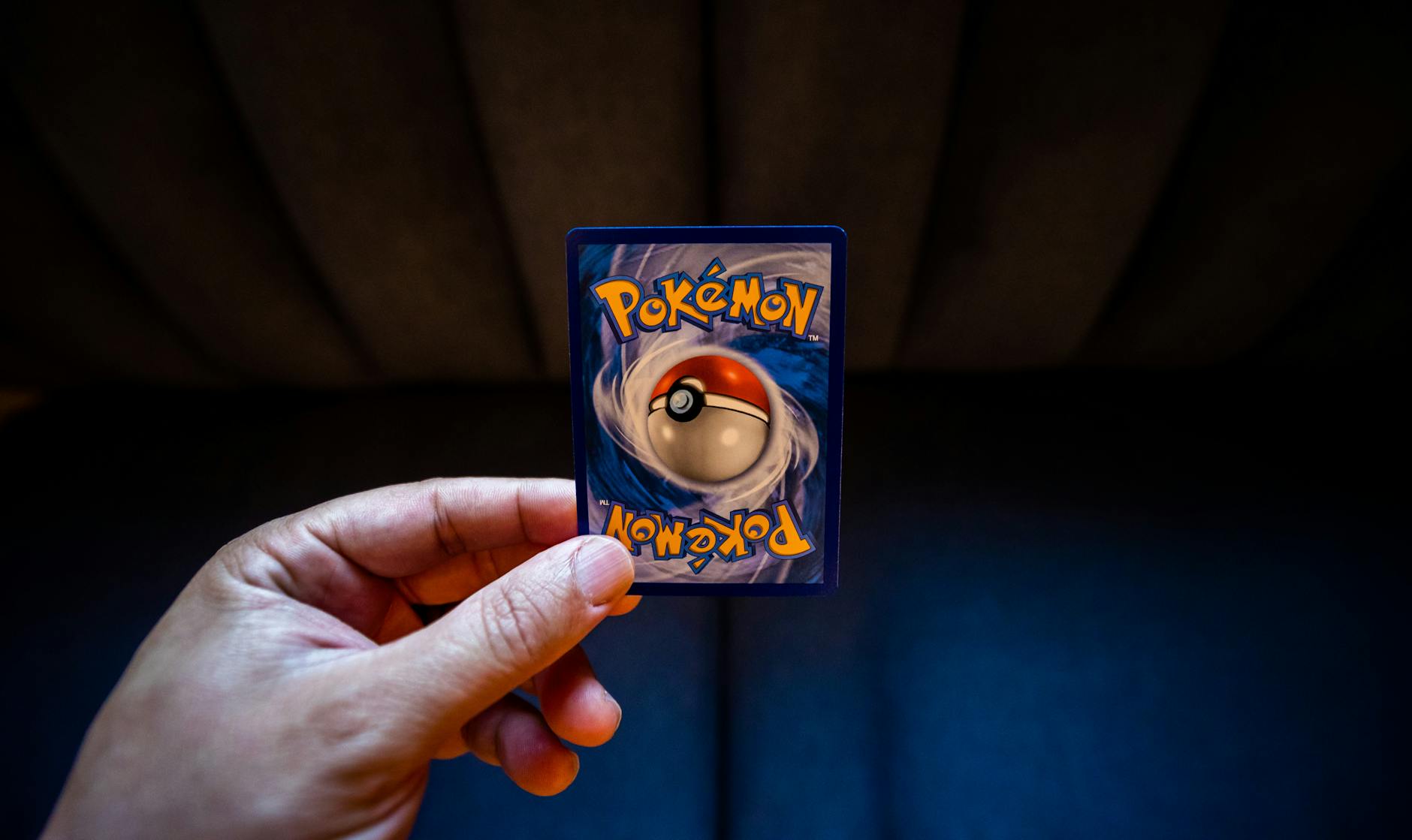
The Pokémon franchise’s 30th anniversary in 2026 is creating a temporary demand surge that’s lifted vintage WOTC prices 30-50% across the board. This is a real phenomenon—anniversary milestones drive new collectors into the hobby and nostalgia marketing reaches people who haven’t thought about Pokémon in decades. But it’s also a known catalyst, which means prices are already partially reflecting this demand.
The practical implication: if you’re entering now, you’re buying into an already-recognizable trend. That doesn’t make it a bad buy—the underlying scarcity of vintage cards is genuine regardless of anniversary hype. But it does mean the fastest appreciation has likely already occurred. Your strategy at this point is to buy and hold through 2027-2028 when the anniversary enthusiasm fades, knowing that the cards will retain value based on fundamental scarcity rather than temporary sentiment.
Long-Term Holding Strategy and the Trap of Trading
The research from Engage Advisors is unambiguous: vintage Pokémon cards suited for 10-year-plus holds compound annual growth of 20-40%. This requires one critical discipline: don’t trade. The moment you start selling and rebuying based on short-term opportunities, you lose the compounding advantage. You also incur transaction costs—grading, shipping, dealer markups—that eat into returns.
The temptation to trade is constant because short-term swings are visible and feel like money sitting on the table. A card appreciates 20% in twelve months and you think, “I could have bought another card and gotten another 20%.” But this assumes you time both trades perfectly, every time, over a decade-long holding period. The math almost never works out. Historical Pokémon card price data shows that buy-and-hold outperforms active trading by 30-50% over multi-year periods once you account for transaction costs and the psychological impact of timing trades incorrectly.
Conclusion
The smartest vintage Pokémon strategy truly is simpler than the noise suggests. Identify cards with proven staying power—first editions and shadowless cards from the WOTC era. Buy them in PSA 8-9 grades where pricing is efficient and liquidity is real. Hold them for a decade and let compound annual growth of 20-40% build wealth. The market stabilization of 2024-2025 means you’re no longer gambling on speculation; you’re investing in genuine scarcity.
Start with one or two key cards rather than spreading capital across dozens of mediocre holdings. The Base Set holos, Japanese variants, and classic Pokémon remain the market leaders for good reasons—they’ve survived thirty years of market cycles and will survive thirty more. This simplicity is your advantage. Most collectors and investors sabotage themselves with complexity and emotional trading. You won’t.
You Might Also Like
- Why Some Vintage Pokémon Cards Feel Underowned
- This Vintage Holo Could Be Better Than It Seems
- How to Build a Smarter Vintage Collection Today