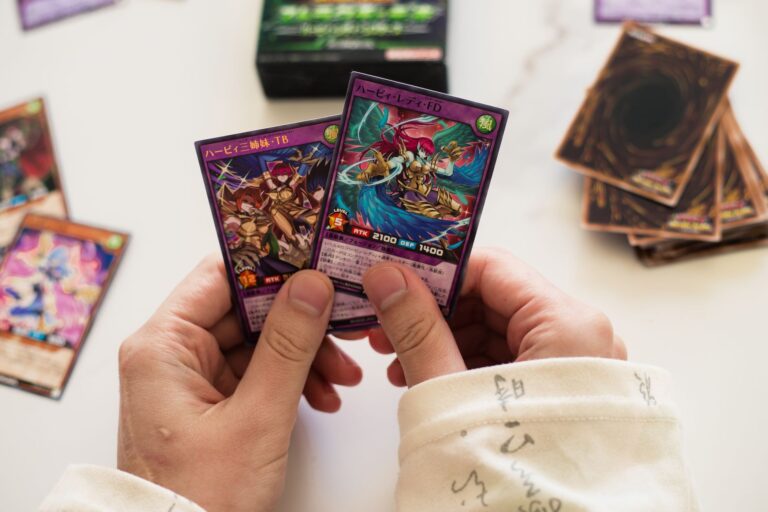
Yes, a two-dollar Pokémon card can absolutely beat a two-hundred-dollar card—and it happens regularly in competitive play. Terapagos ex, the Double Rare version, costs between one and two dollars and currently boasts the highest competitive win rate in the modern meta. Meanwhile, vintage first editions or rare holographic variants often cost hundreds or thousands of dollars but sit on shelves collecting dust, unable to compete in actual tournament play. The gap between what collectors pay and what players actually need has never been wider, making this the best time in years to find genuine value in the Pokémon card market.
This phenomenon isn’t limited to Pokémon cards alone. Whether you’re talking about trading card games, collectibles, or even credit card rewards, the expensive option frequently loses to the cheap one when you measure actual utility. The market has undergone a dramatic correction, flooding it with competitively viable cards at basement prices while artificial scarcity and nostalgia keep older, less practical cards in the stratosphere. Understanding how to spot these opportunities can save you hundreds while getting exactly what you need.
Table of Contents
- When Playability Crushes Price Tags
- The Market Correction That Created a Buyer’s Opportunity
- Why a Competitive Card Trumps a Collectible Card
- Real-World Price Comparisons: What You’re Actually Getting
- The Premium Card Trap and How to Avoid It
- Finding These Hidden Value Cards
- What’s Next: The Sustainability of Card Affordability
- Conclusion
When Playability Crushes Price Tags
The competitive pokémon Trading Card Game tells a clear story: the cards that win tournaments are rarely the ones that cost the most. Terapagos ex at one to two dollars is dominating the current meta because it has the exact abilities and damage output needed for winning strategies, regardless of its rarity designation. Zacian Illustration Rare, available for around three dollars, offers competitive playability with artwork comparable to Alternate Art versions from older sets that cost fifty to one hundred dollars. The difference in game function is zero. The difference in price is everything.
This happens because rarity and playability have become completely decoupled in modern Pokémon sets. A card’s competitive value depends on its mechanics, type, and how it synergizes with the current card pool. Double Rare cards—less rare than Full Art or Special Illustration Rares—sometimes have superior competitive performance. Collectors and speculators paying premium prices are betting on scarcity, not on how the card performs when you actually use it. Tournament players care only about the latter.

The Market Correction That Created a Buyer’s Opportunity
Modern Pokémon sets have experienced significant price corrections since their release peaks in 2021-2022. What was once a speculative bubble—where players and investors hoped every new set would deliver the next Charizard—has deflated into a buyer’s market. Sealed products, singles, and even chase rares are now available at historically low prices. this correction exists because the market overestimated demand and underestimated print volume. Supply finally caught up, and prices normalized.
The catch is that this window doesn’t last forever. Sealed sets get opened, sorted, and prices stabilize over time. Cards that seem cheap today might become harder to find in mint condition in five years. However, for competitive players and practical collectors, this means you should buy what you need now rather than waiting for further price drops. The meta shifts every few months with new set releases, which means yesterday’s competitive staple becomes next month’s bulk rare. Holding expensive cards hoping they appreciate rarely works unless you’re specifically targeting the few cards with genuine long-term scarcity.
Why a Competitive Card Trumps a Collectible Card
Two entirely different collector mindsets exist in the Pokémon card world. Vintage collectors chase holographic first editions and signed cards because they represent a specific era and rarity. Competitive players and modern collectors buy cards to build tournament decks and complete sets. These groups have almost no overlap in what they value, which is why price and utility can diverge so dramatically.
A PSA 10 first edition Charizard from Base Set might cost three hundred dollars or more, but it’s unplayable in tournaments—too fragile, too valuable to risk, and often not even legal in modern formats. Meanwhile, a two-dollar modern competitive staple goes into your deck immediately and gets shuffled, played, and enjoyed. The expensive card sits in a slab, appreciating or depreciating based on nostalgia market trends. The cheap card delivers immediate value by solving a specific problem in your deck. If you’re playing Pokémon rather than speculating, the two-dollar card wins every time.

Real-World Price Comparisons: What You’re Actually Getting
Consider a specific example from early 2026. A standard Terapagos ex costs one to two dollars. A holographic or premium special art version of the same Terapagos ex costs twenty to fifty dollars. In tournament play, both cards perform identically—same attack damage, same abilities, same effect on the game state. You’re paying forty-eight dollars extra for a different image and a holographic pattern that never sees play because it stays in your binder. From a playability standpoint, this is pure waste.
Compare that to credit card rewards, where a simple two percent cash back card generates two hundred dollars in annual rewards on ten thousand dollars in spending, often outperforming premium cards carrying two hundred dollar annual fees. You’re not paying for complexity or prestige—you’re paying for results. The math is explicit and measurable. In Pokémon cards, the equivalent math is equally clear: you’re paying for the image and the rarity designation, not for performance or collectible stability. The difference between the two-dollar card and the two-hundred-dollar card is aesthetic. The difference in what you’ll actually use is zero.
The Premium Card Trap and How to Avoid It
New collectors often assume that more expensive cards are inherently better. This assumption is lethal to your budget and your long-term collection strategy. Premium cards command high prices because of scarcity, aesthetic appeal, or hype—not because they perform better or hold value more reliably. A common mistake is buying premium versions of competitively relevant cards, assuming they’ll appreciate faster. They don’t. The meta shifts, the card becomes obsolete, and your premium copy loses value just like the standard version, except you paid more for it.
Another trap is mistaking price increase for value creation. A card that jumps from two dollars to five dollars might seem like a good investment, but these short-term spikes are usually driven by tournament results or social media hype. Once the meta shifts or people lose interest, the price collapses. Limiting your buying to cards you actually intend to use eliminates this trap entirely. You buy the two-dollar Terapagos ex because you need it for a competitive deck, not because you hope it’ll become worth twenty dollars in six months. The premium cards—the ones with beautiful art or low print runs—should only be purchased if you genuinely want them as collectibles, not as investments.

Finding These Hidden Value Cards
The key to finding two-dollar cards that beat two-hundred-dollar options is understanding the meta and following tournament results. Sites like TCGplayer show which cards are driving wins. When a card wins multiple tournaments in a row, its price typically jumps—but if you catch it early, before the price spike, you get the competitive advantage at the cheap price. Zacian Illustration Rare sat at reasonable prices for weeks after release before collectors and competitive players realized its potential.
Another strategy is buying standard versions of cards rather than special art variants. A standard Terapagos ex at one dollar and a Full Art version at thirty dollars are identical for tournament play. The standard version is where you’ll find your value. Grading doesn’t matter for playable cards—only for collectibles you never intend to use. A lightly played Terapagos ex costs less than a mint copy and performs exactly the same in a deck.
What’s Next: The Sustainability of Card Affordability
The question everyone asks is whether this buyer’s market will last. Modern Pokémon sets will likely continue cycling through similar patterns: initial price peaks followed by corrections as print volume becomes clear. Competitive meta cards will remain relatively affordable because they’re printed in high volumes and cycling out of relevance every few months. Truly rare cards—vintage first editions, sealed products from limited print runs, trophy cards from the earliest sets—will continue appreciating because scarcity is fixed.
For practical players and collectors, this means the strategy of buying what you need at reasonable prices should remain viable indefinitely. Pokémon cards aren’t getting rarer; they’re getting more available. The market is becoming more efficient at pricing, which means price aligns more closely with actual utility rather than speculative hype. This is good news for anyone building decks or collecting modern sets. The two-dollar card beat the two-hundred-dollar card in March 2026, and market fundamentals suggest that pattern will continue.
Conclusion
The two-dollar card beats the two-hundred-dollar card because price and value have become completely decoupled in modern Pokémon collecting. Terapagos ex costs one to two dollars with the highest competitive win rate, while vintage first editions or premium special art cards cost hundreds but offer zero competitive advantage. Market corrections and high print volumes have created a rare window where the cards that matter most are the cheapest ones available. Understanding this gap is the first step toward building valuable collections that actually deliver utility instead of storing money you’ll never recover.
Your next move is simple: identify what you actually need—whether that’s competitive playability or a specific collectible—then buy the cheapest version that delivers that goal. Stop assuming expensive cards are better. They’re not. In the 2026 Pokémon market, the opposite is usually true. Buy the two-dollar card, build the winning deck, and save two hundred dollars for cards that will genuinely hold their value.