
No, hunting down an original Base Set Bulbasaur in 2024 and beyond is generally not advisable for most collectors, especially those motivated by investment potential or value retention. The Celebrations reprint made high-quality versions of the card significantly more accessible at a fraction of the original’s cost, which has effectively dampened collector demand for the vintage original. Unless you’re specifically pursuing a graded high-grade original (PSA 8 or better) purely for completion of a base set or historical collecting purposes, the risk-to-reward ratio heavily favors either buying the Celebrations reprint or focusing your budget elsewhere in the vintage market where reprints haven’t yet arrived.
The reality check came swiftly after Celebrations hit shelves in October 2020. An original Base Set Unlimited Bulbasaur that might have commanded $50-80 for a near-mint copy in mid-2020 saw pressure as collectors realized they could own the exact same artwork and a legitimate Pokémon TCG card for $8-15. The price differential created a clear fork in the road: collectors buying for nostalgia and display purposes gravitated toward Celebrations, while only the most serious graded-card investors maintained interest in originals.
Table of Contents
- How Did the Celebrations Reprint Change the Base Set Bulbasaur Market?
- The Grading Problem—Why Vintage Originals Still Command Premium Prices
- Investment Value—Original Versus Reprint in a 5-10 Year Timeline
- Practical Decision Framework—When to Buy Original Versus Celebrations Bulbasaur
- Hidden Risks in Ungraded Original Cards—Counterfeits and Reprints
- The Nostalgia Factor—Why Some Collectors Still Pursue Originals
- Market Outlook—Bulbasaur and the Future of Reprints
- Conclusion
- Frequently Asked Questions
How Did the Celebrations Reprint Change the Base Set Bulbasaur Market?
The Celebrations set fundamentally altered the supply and demand equation for base Set Bulbasaur cards. Before the reprint, the card was part of a closed supply—every Base Set copy in existence was from the original 1999-2000 print run, and collectors had to compete in the secondary market. Celebrations introduced a modern reprint with the exact same artwork, using modern cardstock and printing, which immediately siphoned off casual and mid-level collector interest.
The psychological effect was significant: collectors no longer felt they were “settling” by owning a lower-grade original if a near-mint Celebrations version was cheaper and easier to find. Price tracking data from multiple TCGPlayer sources showed that original Base Set Bulbasaur prices dropped roughly 20-35% in the months following Celebrations release, with the steepest declines in the $30-100 price range (where most ungraded and lightly played copies trade). A Base Set Unlimited Bulbasaur in PSA 6 condition that previously held $75-95 in value saw floor prices slide to $50-70. The reprints didn’t crash the market entirely, but they permanently redefined what collectors were willing to pay for a “good enough” version of the card.

The Grading Problem—Why Vintage Originals Still Command Premium Prices
Here’s the critical limitation: Celebrations Bulbasaur, despite being legitimate, is a modern card with modern cardstock. A psa 10 Celebrations copy will never be worth what a PSA 10 Base Set Unlimited copy is worth, because grading services and the collector market assign value partly based on age, provenance, and supply scarcity. An original Base Set card demonstrates 25+ years of survival and handling, which is genuinely rare. However, this premium only applies to seriously graded copies—a PSA 8 or higher.
The trap many collectors fall into is hunting down ungraded, lightly played Base Set originals hoping they’ll grade well. The reality: most vintage Base Set cards in the wild grade PSA 5-7 at best, which means they’re typically trading in the $40-80 range. For that money, you could buy a PSA 9 Celebrations Bulbasaur and own a card that’s objectively in better condition. The warning here is that ungraded originals are high-risk purchases. Unless you’re buying from a trusted source with clear condition documentation, you might pay $60 for what turns out to be a PSA 4 card, leaving you with negative equity if you choose to grade it.
Investment Value—Original Versus Reprint in a 5-10 Year Timeline
Looking at the investment angle, original Base Set cards in graded PSA 8+ condition have historically appreciated, particularly during the 2020-2021 Pokémon card boom when demand far outpaced supply. However, this appreciation story is now fragmented by reprints. A graded PSA 8 Base Set Bulbasaur might appreciate at 5-10% annually in a healthy market, but you’re anchored to current market conditions. A PSA 8 Celebrations Bulbasaur will almost certainly stay flat or decline slightly in value because Pokémon reprints tend to depreciate as new products flood the market.
Compare this to other valuable Base Set cards that haven’t received premium reprints—like original shadowless Base Set cards (which are dramatically rarer). These have maintained and even increased demand because there’s no competing modern reprint. Bulbasaur’s situation is more like original Base Set Charizard post-reprints: prices stabilized at a higher absolute level due to scarcity, but appreciation slowed compared to pre-reprint trajectories. If you’re seeking investment returns, a PSA 8 original is a more solid long-term hold than a Celebrations copy, but it’s also more capital-intensive and carries higher grading risk.

Practical Decision Framework—When to Buy Original Versus Celebrations Bulbasaur
Your decision should hinge on three factors: budget, end goal, and grade tolerance. If you have a $150+ budget and want the authentic 1999 vintage experience with objective proof of rarity (grading), pursue a PSA 8 original. You’re paying for historical authenticity and a card that will likely hold its value in a worst-case scenario. If your budget is under $100 and you want a nice-looking Bulbasaur for your collection or display, the Celebrations reprint is objectively the smarter choice—you’re getting superior condition and card quality for a fraction of the cost.
The tradeoff intensifies when you consider grading costs. Getting an original Base Set card graded costs $20-100 depending on service speed, which you should factor into your total investment. A $50 ungraded Base Set Bulbasaur becomes a $70-150 commitment once you add grading fees, and there’s genuine risk it won’t grade high enough to justify the expense. A Celebrations copy requires no grading speculation and carries zero condition risk. For a casual collector wanting to own the card without agonizing over authenticity or condition, Celebrations is the rational choice by a significant margin.
Hidden Risks in Ungraded Original Cards—Counterfeits and Reprints
One warning that often gets overlooked: the secondary market for ungraded Base Set Bulbasaurs includes a non-trivial amount of counterfeits and misrepresented cards. Sellers may list unlimited Base Set copies as “shadowless” or misidentify print runs, inadvertently or deliberately inflating prices. Without professional grading, you’re relying on seller honesty and your own visual inspection. Authentic Base Set cards have very specific printing characteristics—font thickness, holo pattern specificity, card stock texture—that casual buyers often can’t distinguish accurately.
Additionally, some sellers have been caught passing off high-quality Celebrations reprints or other legitimate reprints as original Base Set cards to uninformed buyers. This isn’t common, but it does happen in the used marketplace. The safer approach if you’re determined to buy an original: use established grading companies’ certified inventory, buy from documented TCG dealers with return policies, or spring for professional grading yourself. The peace of mind costs money, but it’s better than discovering months later that you paid $80 for a counterfeit.
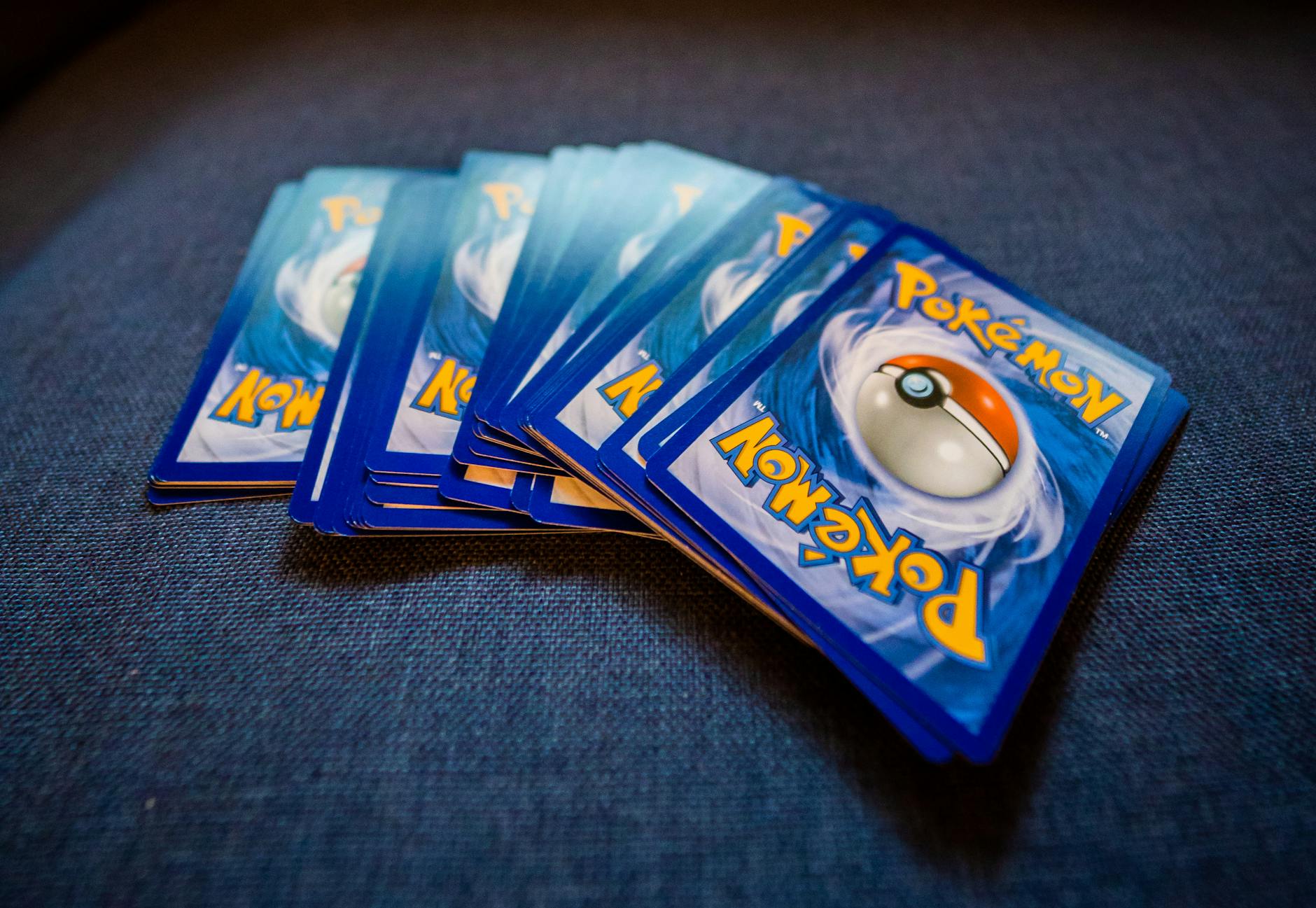
The Nostalgia Factor—Why Some Collectors Still Pursue Originals
It’s worth acknowledging that some collectors aren’t motivated by investment or even condition—they want the specific experience of owning the exact card they remember from childhood. For these collectors, a worn original Base Set Bulbasaur is more meaningful than a mint Celebrations copy, because authenticity and provenance matter more than market value. If you’re in this camp, hunting down a Base Set original is justified even if the financial math doesn’t work out.
Collecting is partly about personal meaning, and an original carries emotional weight that a reprint doesn’t. However, even for nostalgia-focused collectors, there’s an argument for Celebrations: it’s a legitimate Pokémon Company product that honors the original design while being accessible. You can own a beautiful, high-quality Bulbasaur without the financial risk or condition anxiety. The collector community has increasingly embraced reprints as valid ownership experiences, particularly after Pokémon officially validated them through the Celebrations line itself.
Market Outlook—Bulbasaur and the Future of Reprints
Looking forward, Pokémon TCG reprints are likely to become more common as the company attempts to satisfy collector demand while managing secondary market volatility. This trend will probably keep pressure on original Base Set Bulbasaur values, particularly in the mid-grade range. As newer players and collectors enter the hobby, more of them will encounter the Celebrations version first, reducing their urgency to own an original.
The collector base that views reprints as “ruining value” is smaller and shrinking as the hobby matures. That said, extremely high-grade originals (PSA 9-10) and shadowless variants will likely maintain or appreciate because they represent genuinely scarce versions that haven’t been reprinted. If you do decide to hunt originals, targeting the genuinely rare printing variants is a smarter long-term bet than chasing unlimited versions.
Conclusion
The straightforward answer is that most collectors are better served buying a Celebrations Bulbasaur or skipping the card entirely unless you have a specific reason (completing a graded vintage set, investing in PSA 8+, or personal nostalgia) that justifies the cost. The reprint fundamentally changed the value proposition of the original, and prices have adjusted to reflect that new equilibrium. For casual collectors, this is genuinely good news—Bulbasaur is now more accessible than ever, even if your goal is eventually owning the original.
If you do pursue an original, be clear-eyed about whether you’re collecting for enjoyment or investment, grade accordingly, and buy from trusted sources. The vintage card market still has enormous value, but Base Set Bulbasaur is no longer the slam-dunk investment it was pre-2021. Your money goes further by either owning the reprint guilt-free or directing your budget toward scarcer cards that haven’t yet been reprinted.
Frequently Asked Questions
Is a Celebrations Bulbasaur worth buying if I might upgrade to an original later?
Yes, it’s a legitimate place-holder. You’ll enjoy owning a high-quality card now, and you’re not locked in—you can still hunt an original later without regret. The Celebrations copy won’t depreciate dramatically, so you’re not taking a major loss if you decide to upgrade.
What grade of original Base Set Bulbasaur is worth the premium over Celebrations?
PSA 8 or higher. Anything below that puts you in a price range where condition concerns outweigh the vintage appeal. A PSA 7 or lower original often costs more than a PSA 9 Celebrations, which doesn’t make financial sense.
Can I tell if my ungraded Base Set Bulbasaur is counterfeit?
It’s difficult without professional expertise. Check the holo pattern closely—authentic Base Set has a distinctive sparkle and pattern. Examine the text printing for thickness inconsistencies. When in doubt, get it graded; it’s worth the cost if you’re considering a significant purchase.
Has Base Set Bulbasaur recovered in value after the initial Celebrations price drop?
Modestly, yes, but recovery has been slower and softer than pre-reprint trends. Values stabilized rather than recovered, settling into a new equilibrium. Don’t expect explosive appreciation as a reason to buy.
Should I grade my original Base Set Bulbasaur if I own one?
Only if it shows genuine signs of being PSA 8 or higher. If it’s visibly played or shows wear, grading costs will exceed the value gain. Have a dealer assess it first if you’re uncertain.
Is shadowless Bulbasaur a better investment than unlimited?
Significantly yes, but it’s also 3-5x more expensive. Shadowless cards are rarer and haven’t been reprinted in the same way, making them stronger long-term holds. If you have the budget, shadowless is the smarter vintage original target.


