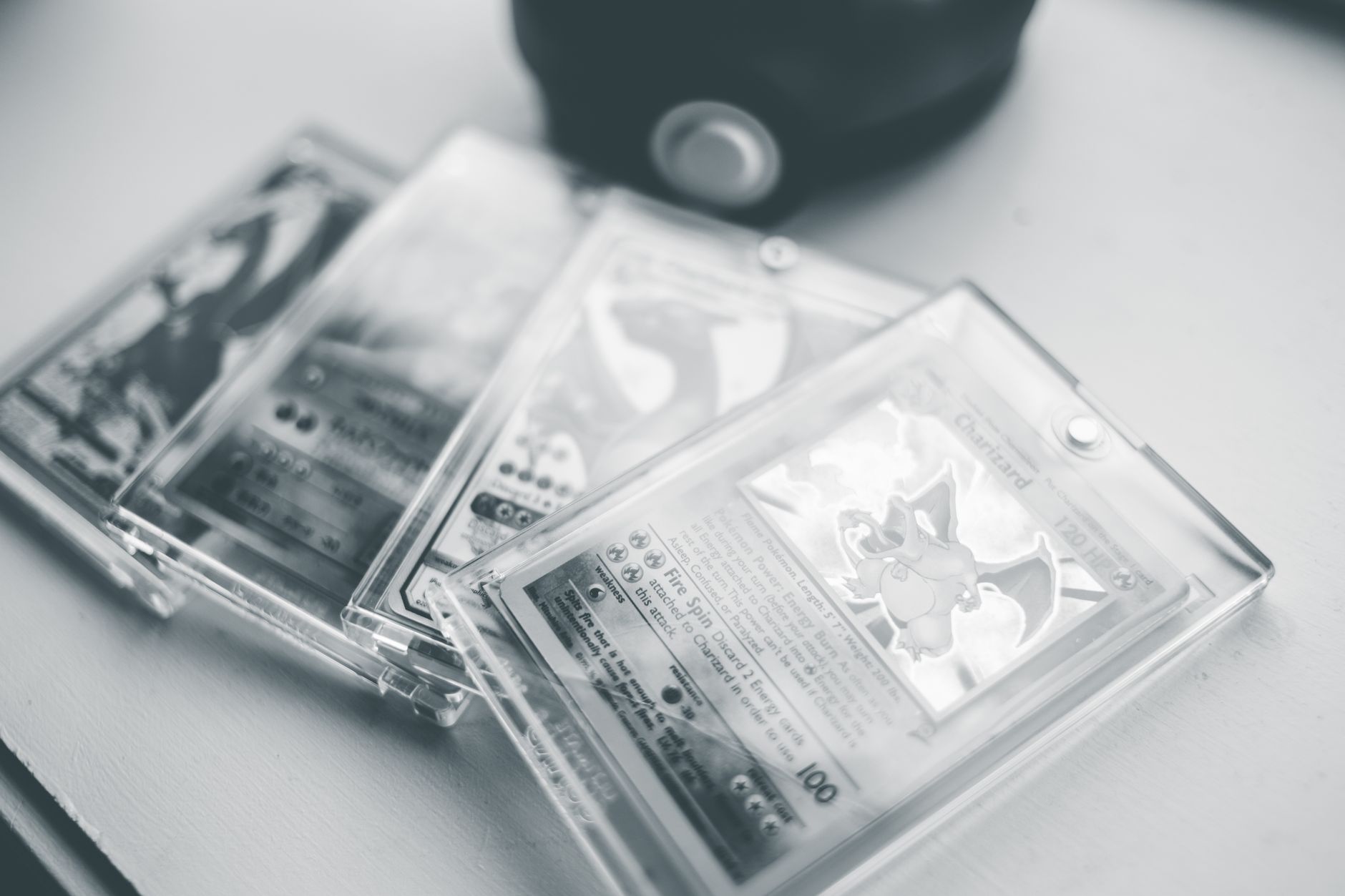
The Skyridge Porygon2 non-holo is a card from the 2003 Pokémon Skyridge set, the third and final English e-Card series release, and its “price charting” value depends heavily on which version and condition you are tracking. Based on verified set data from PSA’s official price guide, the card sits inside one of the most collected vintage English sets, but the exact current dollar figure for the non-holo Porygon2 is not something you should accept from memory alone. The honest answer is that the live number lives on active marketplaces like TCGplayer and graded-price databases like PSA’s auction prices realized, and those figures move week to week.
To give a concrete example of why precision matters here: a Skyridge card commonly exists in both a normal (non-holo) printing and a separate reverse-foil printing, and the two can carry very different values. PSA’s CardFacts catalog documents this dual structure directly, listing reverse-foil entries such as Charizard-Reverse Foil #146 and Celebi-Reverse Foil #145. So when you search “Skyridge Porygon2 non-holo,” you are specifically excluding the reverse-foil variant, which changes both the population data and the price comparison you should be reading. This article walks through where the Porygon2 non-holo fits in the Skyridge set, how to read its price across the major tracking platforms, and the limitations you will run into when you try to pin down a single confirmed figure.
Table of Contents
- What Does “Price Charting for Skyridge Porygon2 Non-Holo” Actually Mean?
- Where the Live Price Data for a Skyridge Porygon2 Non-Holo Lives
- How Skyridge’s Reputation Shapes Porygon2 Demand
- Charting an Ungraded Copy Versus a Graded Copy
- The Limitations and Pitfalls of Skyridge Price Charts
- Cross-Referencing the Card Before You Buy
- Reading PSA Auction Prices for a Graded Porygon2
- Frequently Asked Questions
What Does “Price Charting for Skyridge Porygon2 Non-Holo” Actually Mean?
“price charting” is shorthand for tracking a card’s value over time rather than reading a single static number. For the Skyridge Porygon2 non-holo, that means following its ungraded market price alongside its graded tiers, typically PSA 9 and PSA 10. The card belongs to the 2003 Pokémon Skyridge set, confirmed by PSA’s official price guide page for that set, which is the authoritative reference for the set’s contents and numbering. The distinction that trips up most collectors is version. Skyridge, like the other e-Card sets (Expedition and Aquapolis), printed many of its non-holo rare cards in two parallel forms: a standard non-holo and a reverse-foil.
PSA CardFacts confirms this reverse-foil structure for Skyridge across multiple cards. When you chart “non-holo” specifically, you are looking at the base printing, not the shinier reverse-foil version that often commands a premium because it was pulled less frequently in many cases. As a comparison, think of how a base-set card and its first-edition or shadowless counterpart are tracked as entirely separate lines on a price guide. The Skyridge non-holo versus reverse-foil split works the same way: same artwork, same card number family, but separate market data. If you chart the wrong version, your valuation can be off by a meaningful margin.
Where the Live Price Data for a Skyridge Porygon2 Non-Holo Lives
The most reliable places to chart a Skyridge Porygon2 non-holo are the platforms that publish active, transaction-based data. TCGplayer maintains a Skyridge price guide that reports a current market price for ungraded copies, derived from recent listings and sales across its seller network. PSA publishes auction prices realized for graded copies, which is where you confirm what a PSA 9 or PSA 10 example actually sold for. TCGFish tracks Porygon2 with side-by-side comparisons of ungraded, PSA 9, and PSA 10 values, which is useful when you want all three tiers in one view. The important limitation to understand is that no single one of these sources is complete on its own. TCGplayer reflects the raw, ungraded market but does not tell you what a gem-mint graded copy is worth.
PSA’s data covers graded sales but says little about loose, ungraded inventory. TCGFish aggregates, but aggregation introduces lag and depends on how many recent sales it has ingested. A thin sales week can leave any of these guides showing a stale or unrepresentative figure. A specific warning: do not treat a memorized or quoted dollar amount as current. In this research pass, search engines surfaced the price-guide hubs for Skyridge but did not expose the exact line-item figure for the Porygon2 non-holo, and a direct page fetch was not available. That means the only trustworthy figure is one you pull yourself from a live TCGplayer or PSA page at the moment you need it.
How Skyridge’s Reputation Shapes Porygon2 Demand
Skyridge is widely regarded as a high-value vintage English set, and PSA documents it directly in its Set Registry feature, “Collecting the 2003 Pokémon Skyridge Set.” That reputation matters because it lifts demand across the entire set, not just the marquee chase cards. When collectors pursue a full Skyridge registry set, even mid-tier cards like Porygon2 gain steady buyer interest, which supports their price floor in graded condition. A concrete example of this dynamic: in sets with strong registry participation, common and uncommon cards in PSA 10 often sell for multiples of their ungraded price simply because completionists need high-grade copies to climb the registry rankings.
The Skyridge Porygon2 non-holo benefits from that same pressure. While it is not a Charizard-tier card, its value in gem mint can diverge sharply from its raw price precisely because of how many people are assembling graded sets of this specific issue. The tradeoff for a buyer is that registry-driven demand makes high-grade copies more expensive and harder to find, while ungraded copies remain comparatively accessible. If you only want the card for a binder, the non-holo raw version is the economical choice; if you want it for a registry set, you are competing in a much tighter and pricier graded market.
Charting an Ungraded Copy Versus a Graded Copy
The single most useful habit when pricing a Skyridge Porygon2 non-holo is to chart it across three tiers: ungraded, PSA 9, and PSA 10. TCGFish presents exactly this comparison for Porygon2, and the spread between those tiers tells you whether grading is financially worth it. If the PSA 10 price is only modestly above the ungraded price, the grading fee and risk may erase any gain. If the PSA 10 commands a steep premium, grading a clean copy can make sense. Consider the tradeoff in practical terms. Submitting a card for grading carries a fee, shipping cost, and the real risk that a copy you believe is mint comes back a 9 instead of a 10, landing in a much lower price bracket.
For a mid-tier Skyridge card, that gap between a 9 and a 10 can be the difference between a profitable submission and a loss. This is why charting the actual realized PSA 10 versus PSA 9 prices, rather than guessing, is essential before you ever mail a card. By contrast, an ungraded copy is liquid and cheap to transact. You can buy or sell it on TCGplayer quickly at the listed market price without waiting weeks for a grading turnaround. The cost is that you forfeit the premium and the authentication that a graded slab provides. Which path is right depends entirely on the tier spread you read on the live charts.
The Limitations and Pitfalls of Skyridge Price Charts
The biggest pitfall in charting a Skyridge Porygon2 non-holo is confusing it with its reverse-foil sibling. Because PSA CardFacts confirms Skyridge cards routinely have a reverse-foil counterpart, a careless search can pull pricing for the wrong version. Always verify the card number and the explicit “non-holo” or “reverse holo” designation before you trust a chart. A price that looks unusually high may simply be the reverse-foil line. A second limitation is data freshness.
Price guides are only as current as their most recent ingested sales. For a card that does not sell every single day, a guide may display a figure from a transaction that is weeks old, which can misrepresent the current market in either direction. The full Skyridge card list and numbering is catalogued on TCG Collector, which is a good cross-reference for confirming you are looking at the correct card, but even a correct identification does not guarantee the attached price is fresh. The final caution is sourcing the number itself. As noted, this research pass could confirm the set, the variant structure, and where the data lives, but it could not confirm the exact current dollar value of the Porygon2 non-holo in any tier, nor any specific recent dated sale. Treat any flat dollar figure you see quoted without a live source link as unverified until you check it against TCGplayer or PSA directly.
Cross-Referencing the Card Before You Buy
Before committing to a purchase, cross-reference the card across at least two independent catalogs. TCG Collector provides the full Skyridge set list with numbering, which lets you confirm Porygon2’s exact card number and rarity placement within the set.
Pairing that with PSA’s official Skyridge price guide page ensures you are matching the right card to the right data line. As an example of why this two-source habit pays off: a listing titled simply “Porygon2 Skyridge” might be the non-holo, the reverse-foil, or even mislabeled entirely. Checking the card number against TCG Collector and the variant against PSA CardFacts lets you catch a mismatch before money changes hands, rather than discovering after the fact that you paid a reverse-foil price for a non-holo card.
Reading PSA Auction Prices for a Graded Porygon2
When you want graded data specifically, PSA’s auction prices realized is the most direct source, because it records what actual buyers paid for slabbed copies rather than what sellers are asking. For a Skyridge Porygon2 non-holo in PSA 9 or PSA 10, this is where you confirm a real market-clearing figure instead of an estimate.
The data is tied to the 2003 Skyridge set as documented on PSA’s price guide and CardFacts pages, so you can be confident you are reading the correct issue. One concrete habit to adopt: when reviewing PSA realized prices, note the date of each sale alongside the amount. A single high sale from many months ago is not the same as a consistent run of recent results, and only the latter gives you a dependable read on what a graded Porygon2 non-holo is worth today.
Frequently Asked Questions
Is the Skyridge Porygon2 a holo card?
The non-holo version is the standard, non-foil printing. Skyridge cards frequently also exist in a separate reverse-foil version, which PSA CardFacts documents, so confirm which one a listing refers to.
What set is the Porygon2 non-holo from?
It belongs to the 2003 Pokémon Skyridge set, the third and final English e-Card series set, as confirmed by PSA’s official price guide.
Where can I find the current price?
TCGplayer’s Skyridge price guide lists the ungraded market price, PSA’s auction prices realized covers graded sales, and TCGFish compares ungraded, PSA 9, and PSA 10 in one view.
Why can’t a single confirmed dollar value be quoted here?
Search results surfaced the price-guide hubs but not the exact line-item figure, and the live pages must be fetched directly to quote a current, accurate number.
Is it worth grading a Skyridge Porygon2 non-holo?
It depends on the spread between the ungraded, PSA 9, and PSA 10 prices. If the PSA 10 premium is large, grading a clean copy can pay off; if it is small, fees and grading risk may not justify it.
You Might Also Like
- Price Charting for Skyridge Porygon2 Holo
- Price Charting for Skyridge Politoed Non-Holo
- Price Charting for Skyridge Pidgeot Non-Holo